A Blue Origin rocket exploded in a dramatic fireball on a Florida launch pad this week, marking the latest setback in the company’s push to develop heavy-lift launch capability. The anomaly has triggered a thorough investigation, with NASA Administrator Jared Isaacman calling spaceflight “unforgiving” and emphasizing the need for a rigorous assessment of near-term mission impacts.
Space exploration is never without risk, but this incident—captured in harrowing video—has reignited questions about the pace of innovation in private aerospace. While Blue Origin has not yet disclosed specific details about the failure, the explosion underscores the challenges of scaling new rocket technology. Meanwhile, the broader aerospace community is watching closely, as delays in heavy-lift development could ripple through NASA’s Artemis program and commercial spaceflight timelines.
The Explosion: What Happened on the Launch Pad
The incident occurred during a test at Blue Origin’s facility in Florida, where the rocket—likely part of the company’s New Glenn program—ignited unexpectedly, sending flames billowing into the sky. While the exact cause remains under investigation, the scale of the explosion suggests a catastrophic failure in propulsion or structural integrity. According to BBC reporting, NASA Administrator Jared Isaacman acknowledged the severity of the event in a statement on X (formerly Twitter), framing it as a reminder of the inherent dangers of spaceflight.
“Spaceflight is unforgiving, and developing new heavy-lift launch capability is extraordinarily difficult. We will work with our partners to support a thorough investigation of this anomaly, assess near-term mission impacts, and get back to launching rockets.”
cluster (priority): color-meanings.com
The explosion comes at a critical juncture for Blue Origin, which has been racing to compete with SpaceX in the heavy-lift market—a segment essential for NASA’s Artemis missions to the Moon and beyond. While SpaceX’s Starship has made strides with its own test flights, Blue Origin’s New Glenn program has faced delays, and this incident could further push back timelines. The company has not yet commented on whether this test was related to the New Glenn or another vehicle, but industry analysts suggest the anomaly may involve a failure in the rocket’s BE-4 engines, which are also used in United Launch Alliance’s Vulcan Centaur.
The Broader Implications: Delays and Competition
The explosion is the latest in a string of setbacks for Blue Origin, which has struggled to match SpaceX’s rapid iteration pace. While SpaceX’s Starship has conducted multiple high-profile test flights—some successful, others ending in dramatic explosions—Blue Origin’s approach has been more methodical. However, this incident risks further eroding confidence in the company’s ability to deliver on its promises, particularly as NASA evaluates contractors for future lunar missions.
cluster (priority): ikihow.com
According to BBC, the investigation will likely focus on three key areas: propulsion system integrity, structural stability during ignition, and potential software or sensor failures. If the cause is traced to a design flaw in the BE-4 engines, it could have ripple effects across ULA’s Vulcan program, which relies on the same propulsion technology. Meanwhile, SpaceX’s dominance in the commercial launch market may be reinforced if Blue Origin’s delays persist.
Industry experts suggest that while this setback is significant, it is not unprecedented. Both SpaceX and Blue Origin have faced explosions in their development phases, but the stakes are higher for Blue Origin given its reliance on government contracts and partnerships. The company’s ability to recover from this incident—and whether it can accelerate its timeline—will be closely watched by investors, competitors, and NASA.
What Comes Next: Investigation and Recovery
Blue Origin has not yet provided a timeline for resuming test flights, but industry sources suggest the investigation could take weeks or even months, depending on the complexity of the failure. In the meantime, NASA and other partners will likely pause any missions relying on Blue Origin’s launch capabilities until the root cause is identified and mitigated.
cluster (priority): artcraftblend.com
For NASA, the delay is particularly concerning given the agency’s aggressive timeline for returning astronauts to the Moon under the Artemis program. While SpaceX’s Starship remains the primary backup for lunar landings, Blue Origin’s New Glenn was intended to provide an alternative heavy-lift option. If this explosion leads to further delays, NASA may need to reallocate resources or extend contracts with other providers, potentially increasing costs.
The aerospace community is also watching to see how Blue Origin responds. If the company can demonstrate transparency in its investigation and a clear path to recovery, it may retain investor confidence. However, if the failure reveals deeper systemic issues—such as repeated design flaws or production bottlenecks—the company could face increased scrutiny from regulators and competitors alike.
The Color of Authority: A Distraction or a Coincidence?
While the explosion dominates headlines, an unexpected angle has emerged from the broader discussion around Blue Origin’s branding. The company’s logo and marketing materials frequently emphasize the color blue—a hue historically associated with trust, authority, and stability. Yet, in the wake of this failure, some observers have noted the irony of a company whose visual identity is built on reliability facing such a high-profile setback.
cluster (priority): creativebooster.net
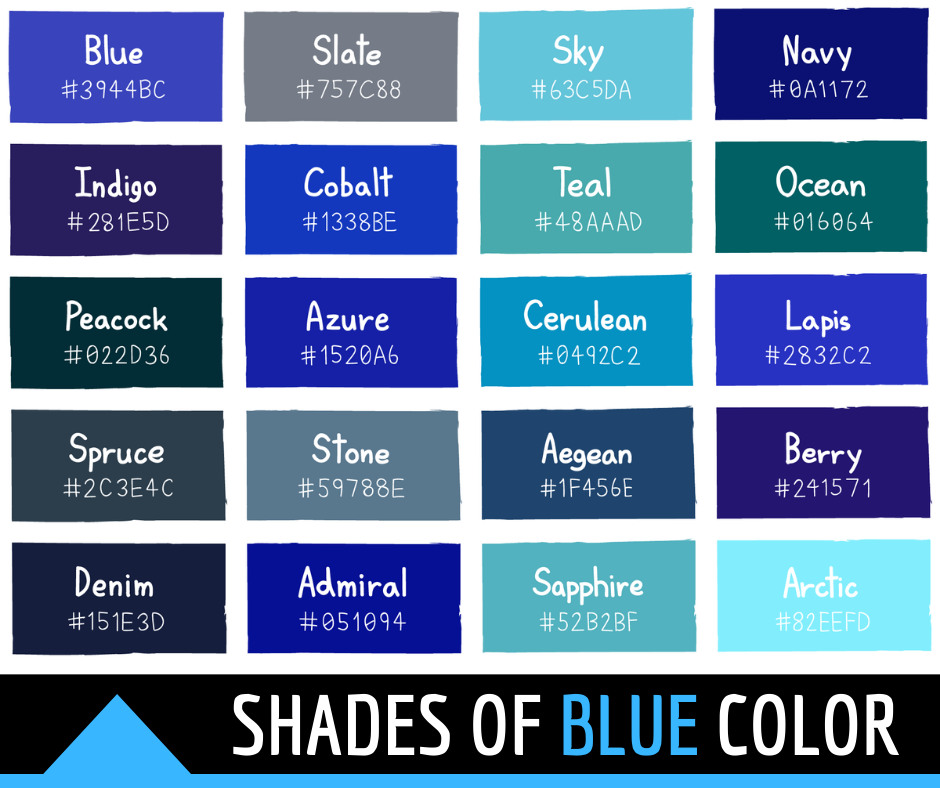
Color psychology plays a significant role in corporate branding, and blue is often chosen for its calming and trustworthy connotations. As Creative Booster highlights, blue is one of the primary colors in the RGB model, symbolizing depth, wisdom, and stability. However, in the context of aerospace, where failures are inevitable in the pursuit of innovation, the reliance on blue as a symbol of authority may now feel tone-deaf.
This raises broader questions about how companies balance branding with reality. Blue Origin’s use of blue—whether in its logo, marketing, or even the color of its rockets—has been a deliberate choice to convey trustworthiness. Yet, in an industry where explosions are not uncommon, the color’s symbolic power may now be tested. Will Blue Origin need to rethink its visual identity, or will the setback simply be seen as a temporary blip in an otherwise ambitious journey?
The Road Ahead: What’s at Stake?
The explosion is more than just a technical failure—it’s a moment that could reshape the competitive landscape of spaceflight. For Blue Origin, the stakes are high: a prolonged investigation could delay its New Glenn program by months, if not years. For NASA, the incident underscores the risks of relying on a single provider for critical missions. And for SpaceX, it presents an opportunity to solidify its lead in the heavy-lift market.
In the near term, the focus will be on the investigation. If Blue Origin can quickly identify and fix the root cause, it may be able to restore confidence. However, if the failure reveals deeper issues—such as repeated design flaws or production challenges—the company could face a longer road to recovery. Meanwhile, NASA will need to assess whether its Artemis timeline remains viable, potentially requiring contingency plans or additional funding.
One thing is certain: spaceflight will continue to push boundaries, and setbacks like this are an inevitable part of the process. The question now is how Blue Origin responds—and whether it can turn this failure into a lesson that strengthens its long-term prospects.
For now, the aerospace community watches, waits, and wonders: Will this explosion be a temporary setback, or a defining moment for Blue Origin’s future?
Leo Andersson covers innovation, AI, and cybersecurity. A former engineer turned journalist from Stockholm, Leo has contributed to major tech outlets across Europe. His analytical style and deep understanding of technology trends define Globally Pulse’s forward-looking reporting.