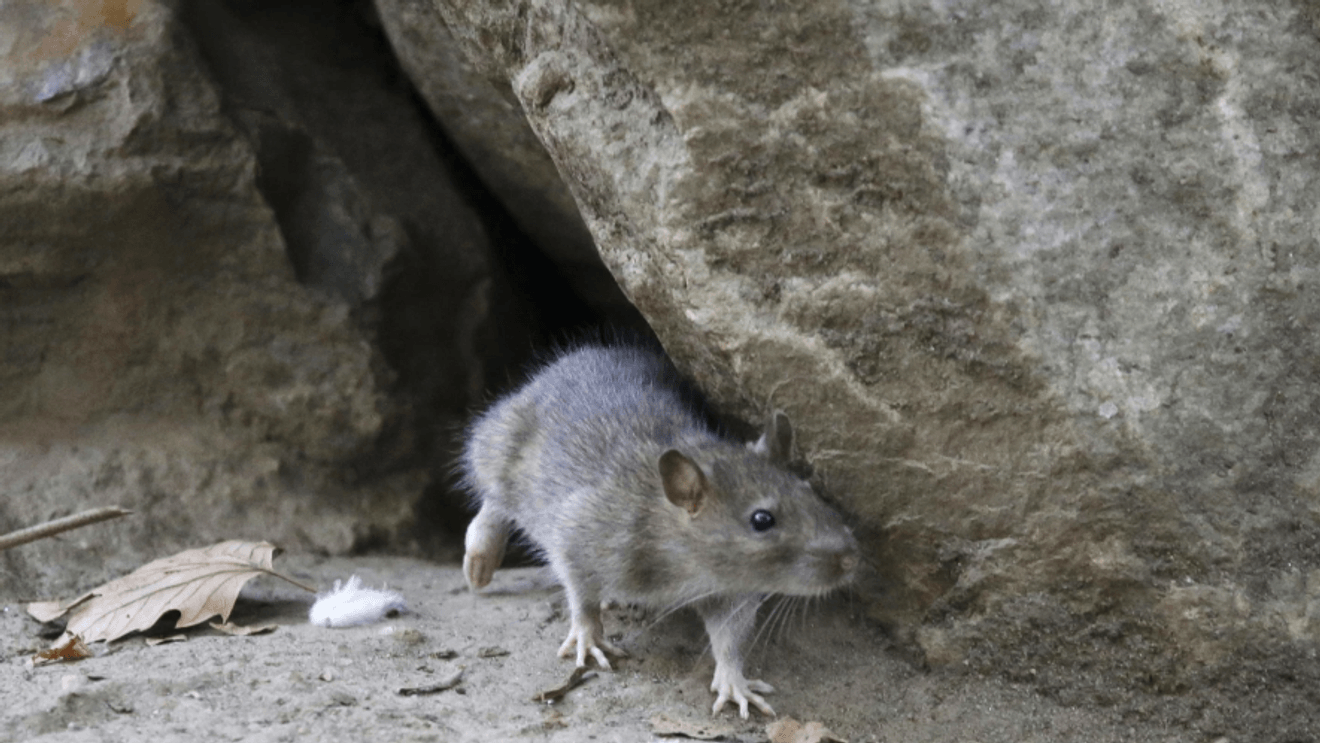
A new study reveals that nearly 30% of rodents in parts of the Pacific Northwest carry evidence of past hantavirus infection, while 10% are actively infected—far higher rates than previously documented. Researchers warn the virus, which can cause deadly respiratory illness in humans, may be far more widespread than assumed, raising urgent questions about public health preparedness in rural and agricultural communities.
Hantavirus in the Pacific Northwest: What the New Study Reveals
The Sin Nombre virus, the strain responsible for hantavirus pulmonary syndrome in the U.S., has been detected at alarming levels in rodent populations across the Palouse region of eastern Washington and northern Idaho. According to a study published in the Centers for Disease Control and Prevention’s Emerging Infectious Diseases journal, nearly 30% of the 189 rodents tested—including deer mice, voles, and chipmunks—showed signs of past infection, while 10% were actively infected, meaning they could shed the virus. The findings, led by researchers at Washington State University (WSU), mark the first comprehensive look at hantavirus prevalence in this region and suggest the virus may be far more common than previously believed.
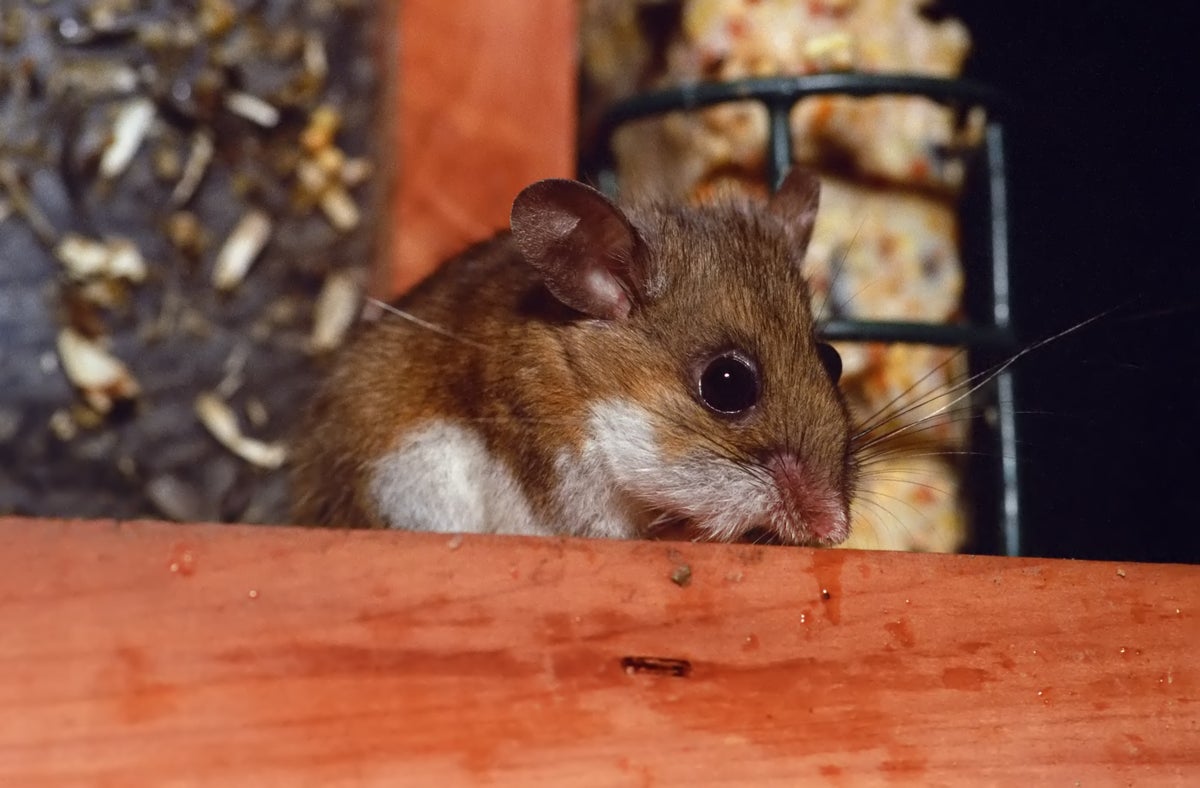
The study’s lead author, Stephanie Seifert, an assistant professor at WSU’s College of Veterinary Medicine, called the results “shocking.” “We were surprised both by how common the virus was locally and by how little data existed for the Northwest,” she said. “We’re really just beginning to understand how widespread and complex this virus is in rodent populations here.” The research, conducted in summer 2023, sampled rodents from Whitman County, Washington, and Latah and Benewah counties in Idaho—areas known for agriculture and rural living.
“We were surprised both by how common the virus was locally and by how little data existed for the Northwest. We’re really just beginning to understand how widespread and complex this virus is in rodent populations here.”
— Stephanie Seifert, WSU researcher, via WSU News
Methodology and Study Design: How Researchers Measured the Threat
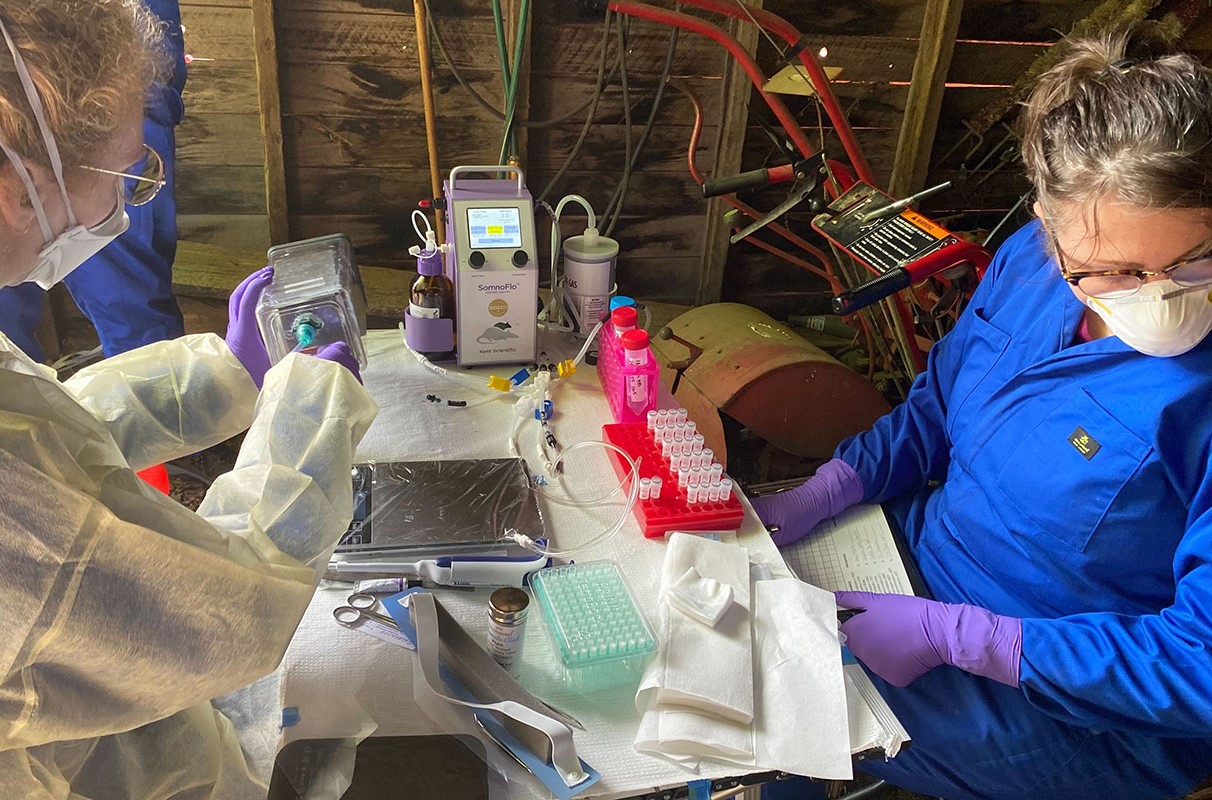
The WSU study employed a multi-phase approach to assess hantavirus prevalence. Researchers deployed live traps in agricultural fields, forest edges, and rural properties across the three-county study area, capturing rodents between June and August 2023. Each captured animal underwent serological testing for antibodies indicating past infection, while polymerase chain reaction (PCR) tests identified active viral presence in blood and tissue samples.
Seifert explained that the team prioritized sampling in high-risk environments where human-rodent interactions were likely, such as barns, grain storage facilities, and residential outbuildings. “We wanted to understand not just the baseline prevalence but also where hotspots might exist,” she said. The study’s sample size of 189 rodents—comprising 123 deer mice, 42 voles, and 24 chipmunks—was determined through power analysis to detect statistically significant differences between species and geographic locations.
Notably, the research revealed that while deer mice (Peromyscus maniculatus) showed the highest infection rates, voles (Microtus spp.) and chipmunks (Tamias spp.) also tested positive, suggesting broader ecological transmission dynamics than previously recognized. “This interspecies spread complicates our ability to predict outbreaks,” Seifert added. “If the virus is jumping between species, it may persist in ecosystems even if one host population declines.”
Why This Matters: A Virus with a Deadly Track Record
The Sin Nombre virus is no stranger to public health crises. First identified in 1993 during an outbreak in the Four Corners region of the U.S., it has since caused 864 confirmed cases in the country, with a staggering 36% fatality rate. Of those cases, 109 occurred in Idaho, Oregon, and Washington—a disproportionate share given the region’s population. Yet, despite this history, surveillance in the Pacific Northwest has been sparse, leaving gaps in understanding how the virus spreads and who might be at risk.
What makes this study particularly alarming is the discovery that the virus is not just confined to deer mice—the primary carriers—but also present in voles and chipmunks. This interspecies transmission complicates efforts to predict and contain outbreaks. “The virus may move between species,” Seifert noted, implying that rodent control measures must be broader than targeting a single species.

Human infections typically occur when people inhale airborne particles from contaminated rodent droppings, urine, or nesting materials. Activities like cleaning sheds, barns, or cabins—common in rural areas—pose the highest risk. Health officials emphasize that disturbing nests or droppings in enclosed spaces can aerosolize the virus, making sweeping or using leaf blowers particularly hazardous. Instead, they recommend ventilating areas and using wet-cleaning methods to minimize exposure.
“Severe cases are still rare, so the individual risk for people is still rare. But it is very important that people protect themselves if they’re going into an area that has a rodent infestation.”
— Pilar Fernandez, WSU disease ecologist, via KOMO News
Public Health Response: Low Risk, But Not Zero
Despite the study’s findings, public health officials in the region remain cautious about alarming the public. Dr. Jaime Butler-Dawson, an epidemiologist with Central District Health in Idaho, noted that while hantavirus is present in the state, cases remain rare—typically zero to two per year. Since 1993, Idaho has recorded just 25 total cases, a figure that pales in comparison to the broader U.S. outbreak history. Butler-Dawson clarified that the strain circulating in Idaho is not the Andes virus, which recently caused an outbreak on a cruise ship and is the only hantavirus known to spread between people. “All the other strains of hantavirus are only transmitted from rodent to human,” she said.
The distinction is critical. While the Andes virus has drawn global attention due to its person-to-person transmission, the Sin Nombre virus poses a different kind of threat—one tied to environmental exposure. Butler-Dawson stressed that the risk remains low for the general public, but she urged residents to take precautions, especially in areas with rodent activity. “People most commonly become infected while cleaning enclosed spaces,” she explained. “They go in and sweep the material, and then that aerosolizes the urine, poop, and nesting material, and people breathe it in.”
To mitigate risk, officials recommend:
- Ventilating enclosed spaces before cleaning by opening windows and doors for at least 30 minutes.
- Using wet-cleaning methods (e.g., spraying droppings with a bleach solution or disinfectant) instead of sweeping to prevent aerosolization.
- Wearing an N-95 mask when handling potentially contaminated areas, particularly in barns, cabins, or storage sheds.
- Avoiding touching rodents or their nests, and sealing entry points to prevent infestations.
Butler-Dawson also emphasized that early symptoms—such as fever, muscle aches, and fatigue—can mimic other illnesses like the flu. “If someone has been in a rodent-infested area and develops these symptoms, they should seek medical attention immediately,” she said. “There’s no vaccine for hantavirus, but supportive care can improve outcomes if treatment begins early.”
Regulatory and Surveillance Gaps: Why the Pacific Northwest Was Underserved
The WSU study highlights significant gaps in hantavirus surveillance across the Pacific Northwest. Unlike the Four Corners region, where hantavirus has been a long-standing public health concern, Idaho, Oregon, and Washington have historically conducted limited testing and monitoring. Dr. Mark Papania, a medical epidemiologist with the Washington State Department of Health, acknowledged that resources have been disproportionately allocated to other health priorities.
“We’ve relied on passive surveillance—meaning we only investigate cases when someone gets sick and seeks medical care,” Papania said. “But with such a low incidence rate, many infections likely go undetected. This study changes that dynamic by giving us a baseline to work from.”
In response to the findings, state health departments are exploring expanded testing protocols. The Idaho Department of Health and Welfare, for instance, is collaborating with WSU to pilot a rapid antigen test for hantavirus in rodent populations, which could provide earlier warnings of potential outbreaks. Meanwhile, the CDC has issued updated guidance for healthcare providers in the region, urging them to consider hantavirus in differential diagnoses for patients with unexplained respiratory illness and relevant exposure histories.
Papania noted that the lack of historical data also complicates risk assessment. “We don’t know if these infection rates are increasing, stable, or fluctuating seasonally,” he said. “That’s why long-term monitoring is critical.”
Climate Change and the Rising Rodent Population
The study’s timing coincides with growing concerns about climate change’s impact on rodent populations. Wetter winters, which the Pacific Northwest has experienced in recent years, can lead to increased vegetation—providing more food and shelter for rodents. This, in turn, may contribute to larger rodent populations and, by extension, higher hantavirus prevalence. Seifert hinted at this connection, noting that climate patterns could play a role in the virus’s spread.
WSU ecologists are now analyzing long-term rodent population data from the region to assess correlations between precipitation levels, food availability, and hantavirus prevalence. Preliminary findings suggest that years with above-average rainfall correspond with higher rodent activity and increased viral detection rates. “This is an emerging area of research,” Seifert said. “But if climate models predict continued wetter winters, we may need to prepare for more frequent rodent-related disease risks.”
This is not the first time climate change has been linked to zoonotic disease outbreaks. From Lyme disease to West Nile virus, shifting environmental conditions often create ideal conditions for vectors and hosts to thrive. The hantavirus study adds another layer to this growing body of evidence, suggesting that public health strategies may need to adapt to changing ecosystems.
What Comes Next: Surveillance, Research, and Preparedness
The WSU study is just the beginning. Researchers are now focused on sequencing the full genomes of Sin Nombre virus strains from the Northwest—a first for the region. This genetic data could improve surveillance, testing, and tracking of how the virus evolves over time. “Understanding that gap—how exposure translates into disease—is the next big step,” Fernandez said, acknowledging that some infections may go undetected because severe cases are more likely to be tested for hantavirus.
Public health agencies are also likely to ramp up monitoring in high-risk areas, particularly as summer approaches—a time when rodent activity peaks. Given the recent Andes virus outbreak on a cruise ship, the CDC and local health departments may increase their focus on hantavirus surveillance, ensuring that any rise in cases is detected early. For now, the message is clear: while the risk to individuals remains low, the potential for outbreaks exists, and preparedness is key.
WSU’s research team is also exploring potential vaccination strategies for high-risk populations, such as farmers and outdoor workers. While no human vaccine exists for hantavirus, Seifert noted that rodent vaccines have shown promise in controlled settings. “We’re not there yet, but understanding the viral strains in the Northwest could inform future prevention efforts,” she said.
For residents of the Pacific Northwest, the study serves as a reminder to stay vigilant. Whether you’re a farmer, a homeowner, or simply someone who spends time outdoors, taking precautions against rodent exposure can go a long way in preventing hantavirus infection. And as climate patterns continue to shift, the relationship between environmental health and public health will only grow more intertwined.
For more information on hantavirus symptoms and prevention, visit the CDC’s hantavirus page.
For residents concerned about rodent activity on their property, local health departments and extension services offer free or low-cost inspections and advice. In Washington, contact the Washington State Department of Health or the WSU Extension. In Idaho, reach out to the Idaho Department of Health and Welfare.
