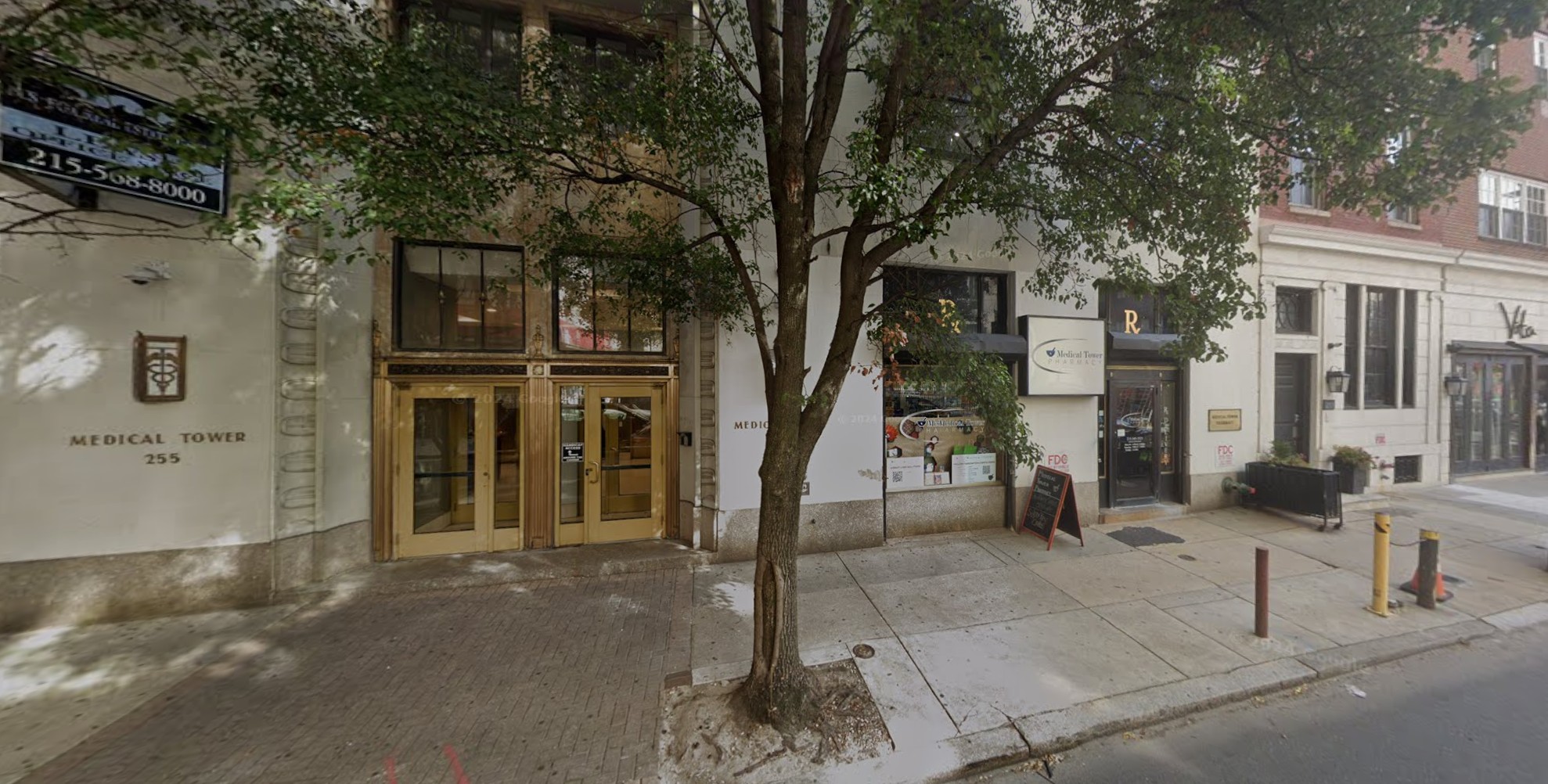
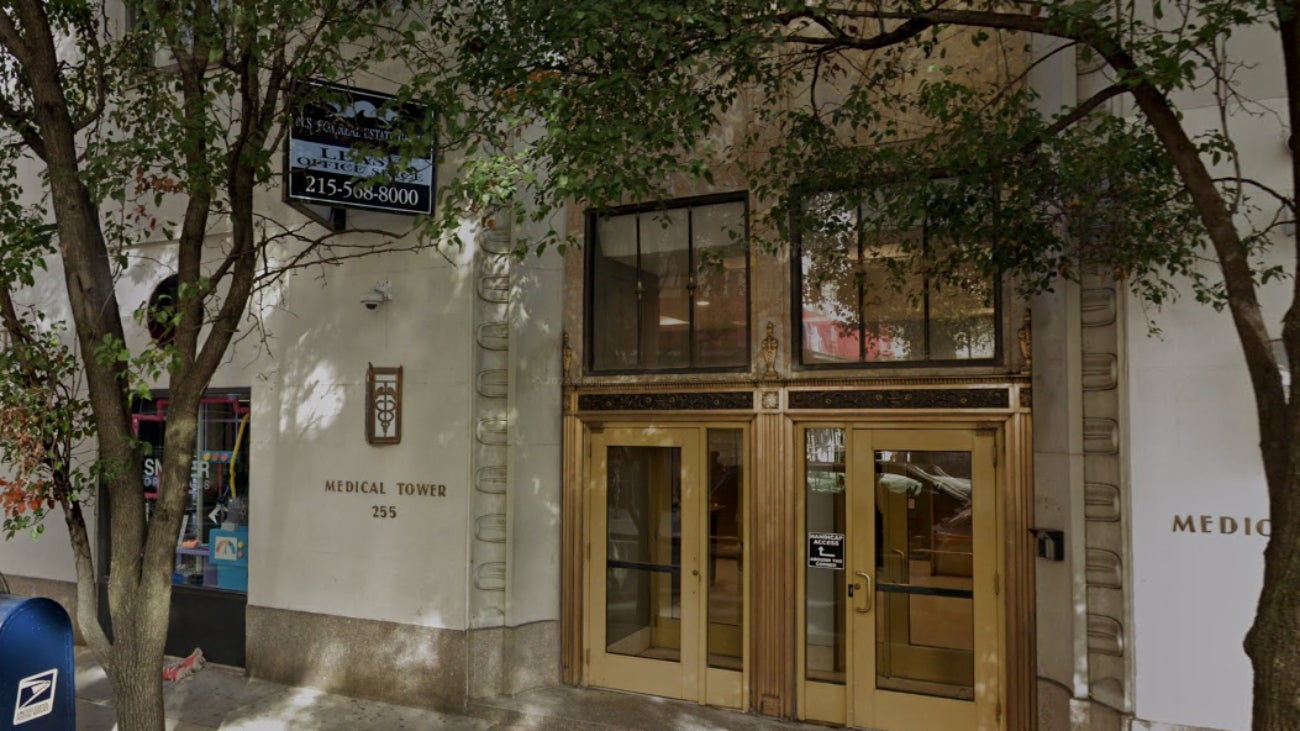
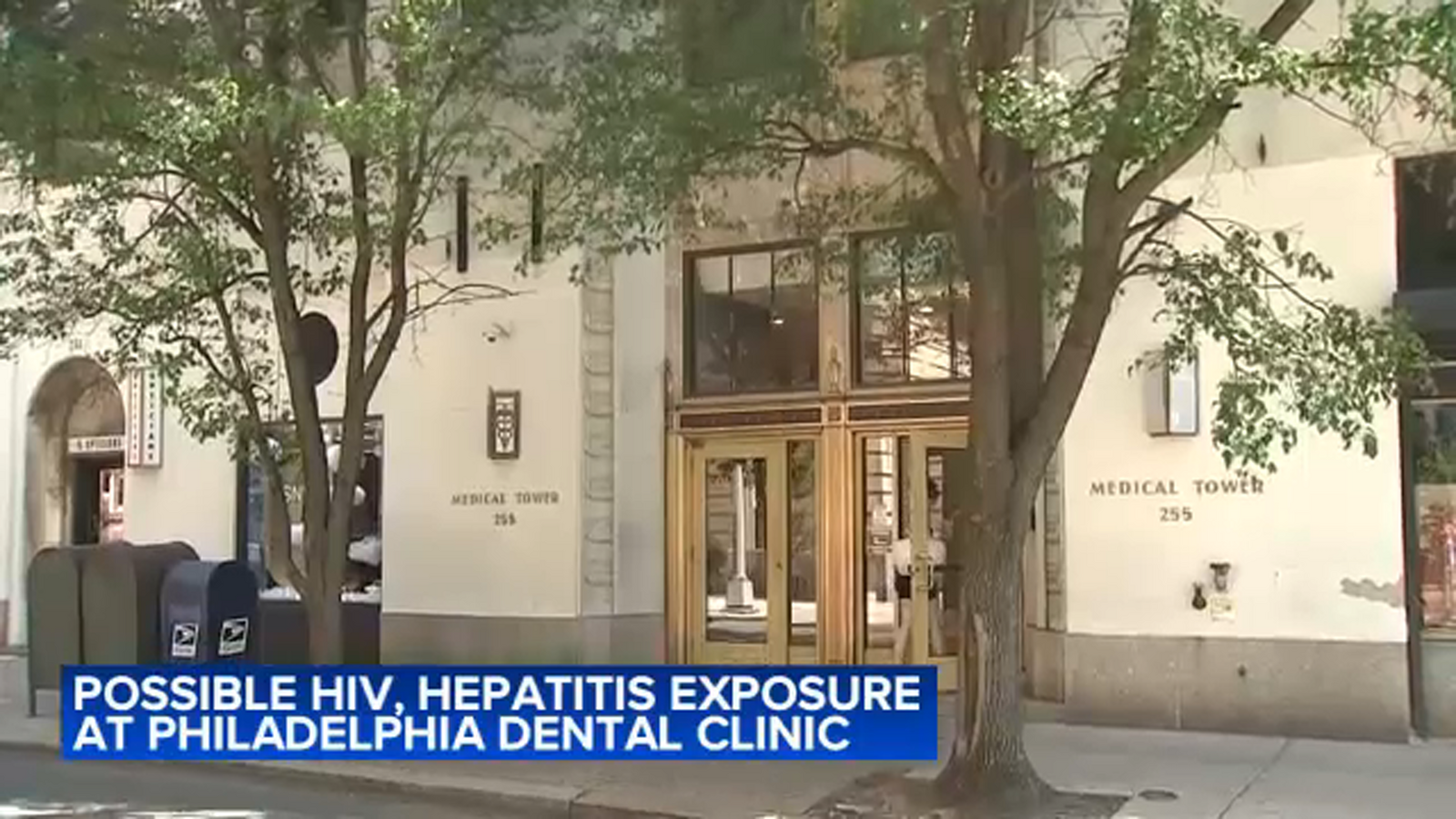
Philadelphia health officials are urging patients of a Center City dental practice to get tested for hepatitis B, hepatitis C, and HIV after an investigation revealed unsafe practices at Smiles at Rittenhouse Square, including the reuse of anesthetic vials and improper sterilization methods. The clinic, located at 255 South 17th Street, has been closed since last week following the suspension of its dentist, Dr. Kirti Chopra, whose license was temporarily revoked by the Pennsylvania Department of State in March 2026.
Detailed Findings of the Investigation Reveal Repeated Infection-Control Violations
The Philadelphia Department of Public Health and the Pennsylvania Department of State conducted a joint investigation in March 2026 after receiving complaints about the clinic. Their findings paint a disturbing picture of repeated violations of infection-control protocols that could have exposed hundreds of patients to bloodborne pathogens. According to state documents, Dr. Kirti Chopra admitted to "she occasionally sets aside used Septocaine vials for reuse with other patients"—a clear violation of single-use medical device guidelines. The investigation also revealed that Chopra "did not replace [single-use] saline bags" during implant procedures until they were empty, and staff used "non-sterile gloved hands to place the unwrapped sterilized instruments in unsterile sterilization bags." As a result, none of the instruments at the clinic were classified as sterile, state officials reported.
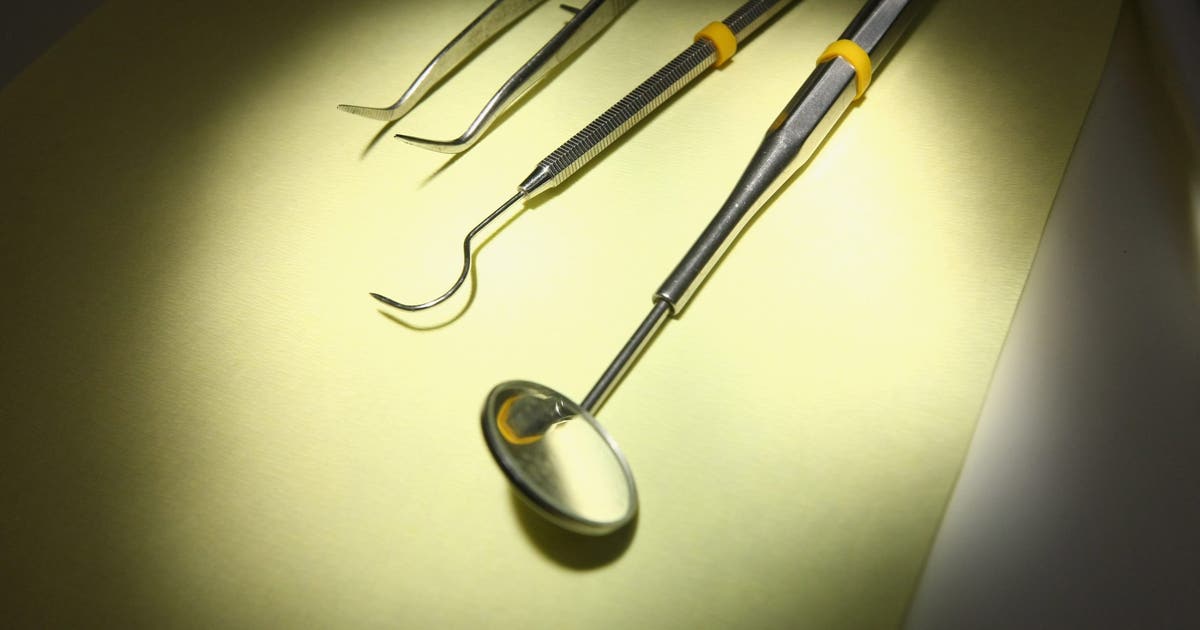
The risks of these practices are severe. "It ends up being a possibility of transfer of bodily fluids between patients," James Garrow, deputy director for the Philadelphia Department of Public Health, told reporters. The reuse of anesthetic vials and improper handling of saline bags and instruments could have exposed patients to hepatitis B, hepatitis C, HIV, and other infections. While no confirmed cases have been reported, officials emphasize that "the risk is not zero."
The investigation also uncovered a flawed sterilization process known as "flash sterilization," which state regulators said was "not viable and not consistent with Centers for Disease Control and Prevention recommendations." The CDC’s guidelines for flash sterilization are strict: it should only be used in emergencies and requires specific temperature, pressure, and exposure times to ensure sterility. When done improperly, it can leave instruments contaminated with bacteria, viruses, or prions.
State Action and the Immediate Public Health Response
The Pennsylvania Department of State’s Bureau of Professional and Occupational Affairs took swift action, suspending Chopra’s license after concluding she posed "an immediate and clear danger to public health or safety." The state’s order cited multiple violations, including the reuse of single-use anesthetic vials—a practice that could transmit bloodborne diseases—and the failure to replace saline bags between patients, which could allow cross-contamination. The state’s filing did not mince words: "The risks of reuse upon subsequent patients include, but are not limited to, transmission of hepatitis C, hepatitis B, human immunodeficiency virus, as well as other pathogen transmissions."
Patient Notification and Testing Guidelines for Potentially Exposed Individuals
Health officials are working to identify all patients who visited Smiles at Rittenhouse Square between April 2025 and May 2026, a timeline that could encompass hundreds of individuals, according to Garrow. The clinic has been closed since last week, and the Philadelphia Department of Public Health is coordinating with the practice to obtain patient records. Once the list is compiled, officials will send letters to affected patients with critical information: a recommendation to seek testing for hepatitis B, hepatitis C, and HIV; details about their potential exposure; and a letter to present to their healthcare provider explaining the situation.
For those who believe they may have been treated at the clinic, the Philadelphia Department of Public Health has set up a hotline (215-685-5488) for questions, operational from 8:30 a.m. to 5 p.m., Monday through Friday. Patients are advised to contact their regular healthcare provider to arrange testing, as many insurance plans cover these screenings at no cost. "We will explain the situation, that they potentially could have been exposed," Garrow said. "We will explain that the risk is still low—but there’s still a chance."
The risk assessment is nuanced. While no confirmed cases of HIV or hepatitis have been linked to the clinic, officials acknowledge that the potential for exposure exists. "The risk of infection is low and we are not aware of any infections as a result of these unsafe practices," Garrow clarified in a statement. However, the lack of confirmed cases does not eliminate the possibility of undetected transmission. "It’s not a guarantee of safety," he added, emphasizing that patients should err on the side of caution.
Broader Implications for Dental Infection Control and Patient Advocacy
Dr. Kirti Chopra has not publicly commented on the allegations, but her legal counsel released a statement emphasizing cooperation with authorities. "Dr. Chopra will continue working cooperatively with public health officials regarding patient notification, testing recommendations, and any required infection-control remediation," the statement read. The clinic’s attorney, Michael Fienman, did not address the specifics of the violations but stressed that patient safety was the top priority.
The path forward remains unclear. The clinic will not reopen until the Pennsylvania Department of State reinstates Chopra’s license and the Philadelphia Department of Public Health verifies that all unsafe practices have been corrected. Staff members are being re-educated on proper infection-control protocols, and the clinic’s equipment and processes will undergo a full review. However, the timeline for reopening has not been disclosed, leaving patients and neighbors in limbo.
For now, the focus is on transparency and accountability. The Philadelphia Department of Public Health is working with the clinic to ensure that any future violations are caught early. "We’re not just closing the door—we’re making sure this never happens again," Garrow said. The case serves as a stark reminder of why regulatory oversight in healthcare is critical, particularly in settings where even minor lapses can have life-altering consequences.
This incident is not an isolated one. In recent years, dental offices across the U.S. have faced scrutiny for similar lapses in infection control, ranging from improper sterilization of instruments to the reuse of single-use devices. The Centers for Disease Control and Prevention (CDC) has repeatedly emphasized the importance of adhering to strict sterilization protocols to prevent the spread of infections. "Dental offices must treat every patient as if they are infectious," the CDC’s guidelines state. "This means using single-use items for all patients, properly sterilizing reusable instruments, and ensuring that all surfaces and equipment are cleaned and disinfected between patients."
The violations at Smiles at Rittenhouse Square—particularly the reuse of anesthetic vials and the improper handling of saline bags—are especially concerning because they involve direct contact with patients’ bloodstream. Septocaine, the anesthetic in question, is injected directly into the gums, meaning any contamination could introduce pathogens into the bloodstream. Similarly, saline bags used during implant procedures are often in close contact with open wounds, increasing the risk of infection.
The case also raises questions about how such practices can go undetected for so long. While the Philadelphia Department of Public Health and the Pennsylvania Department of State acted swiftly after receiving complaints, the fact that the clinic operated for over a year with these violations suggests systemic gaps in oversight. "It’s rare for us to see a case like this," Garrow noted, highlighting the severity of the lapses. "But it’s not impossible—and that’s why we’re taking this seriously."
For patients, the takeaway is clear: if you’ve been treated at a dental office and have concerns about safety, speak up. Dental offices are required to follow strict infection-control protocols, and patients have the right to ask questions about sterilization practices. If a clinic seems unwilling to provide clear answers, it may be worth seeking care elsewhere.
The Philadelphia Department of Public Health’s warning to patients of Smiles at Rittenhouse Square is a critical public health alert, but it also serves as a broader cautionary tale. In an era where medical professionals are held to the highest standards of care, even minor deviations from protocol can have serious consequences. For now, the focus remains on protecting patients, holding accountable those responsible, and ensuring that such lapses are never repeated.
If you believe you may have been treated at Smiles at Rittenhouse Square between April 2025 and May 2026, contact the Philadelphia Department of Public Health hotline at 215-685-5488 or visit your healthcare provider to discuss testing. For more details on the investigation, read the full report from the Philadelphia Department of Public Health and the Pennsylvania Department of State’s findings as outlined by WHYY.
