U.S.
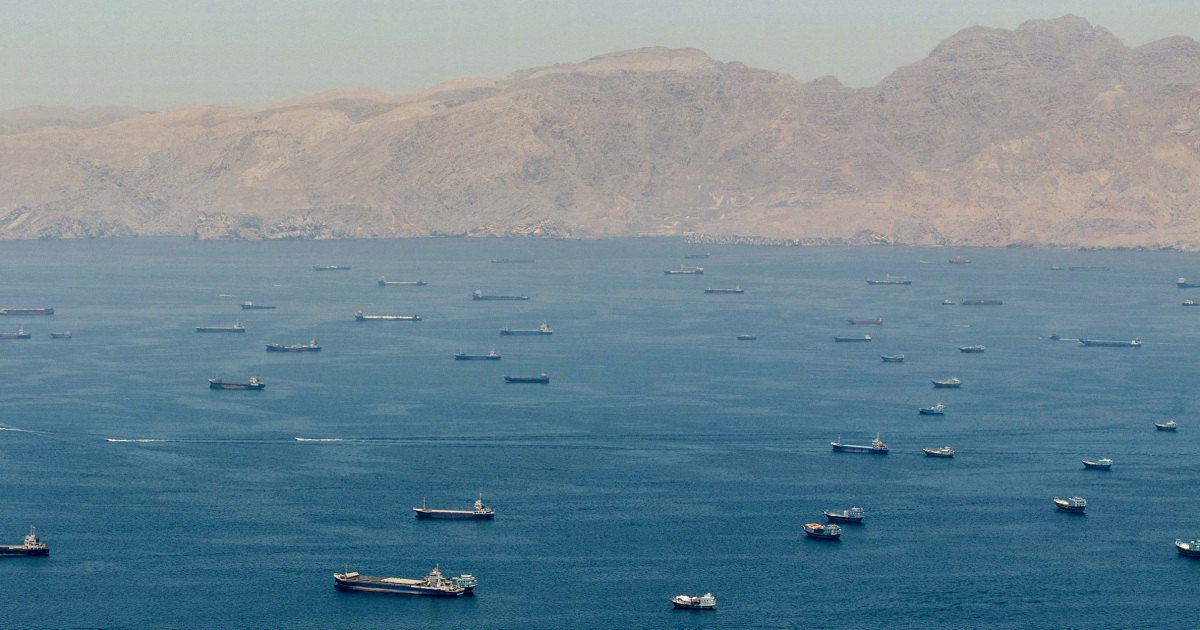
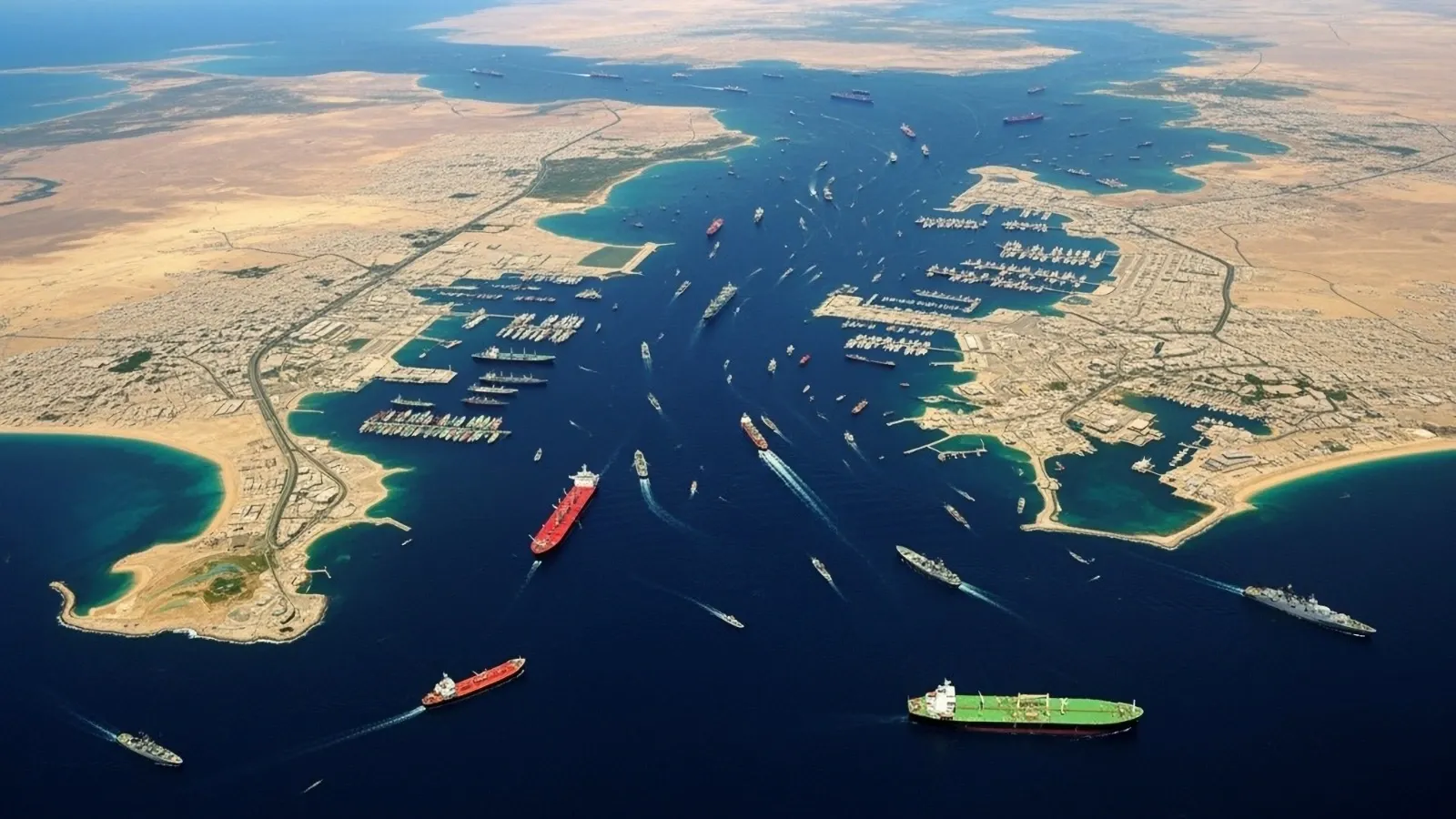
President Donald Trump dismissed international pressure to end the U.S.-Iran conflict on Thursday, May 28, 2026, as the two nations traded military strikes that threatened to unravel a fragile ceasefire. Iran fired a ballistic missile at a U.S. air base in Kuwait—just hours after American forces struck Iranian targets in Bandar Abbas—while Trump warned Oman against collaborating with Tehran over the Strait of Hormuz, declaring the waterway would remain under U.S. control “no matter what.” The exchanges underscore a high-stakes moment in diplomacy, where Trump’s refusal to rush negotiations clashes with the economic fallout from Iran’s blockade of the Strait, now disrupting global oil and gas supplies.
Escalation in the Strait: What Each Side Claims
The latest strikes mark the most direct confrontation since a 60-day U.S. deadline for Iran to accept a peace deal expired earlier this month. According to NBC News, the U.S. military targeted five Iranian one-way attack drones near the Strait of Hormuz on Wednesday evening, preventing a sixth launch from a ground control site in Bandar Abbas. A U.S. official described the strikes as “limited” and defensive, aimed at protecting American forces and commercial shipping—but Iran’s Revolutionary Guard retaliated by targeting the U.S. air base in Kuwait, which Kuwait’s foreign ministry condemned as a “heinous attack.”
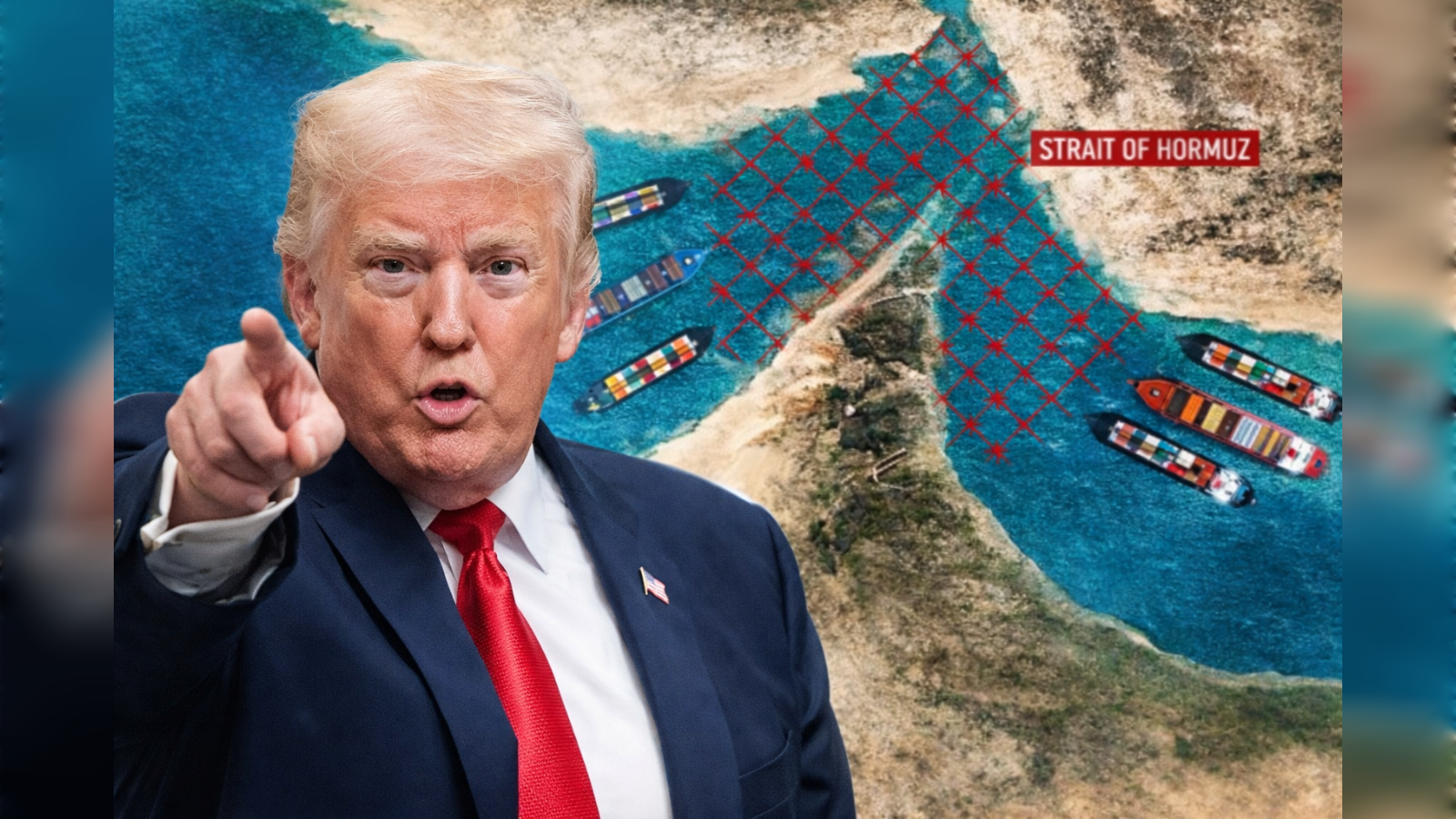
Iran’s Deputy Foreign Minister, Kazem Gharibabadi, called the U.S. strikes “provocations” that violated the ceasefire, while a Central Command spokesperson, Navy Capt. Tim Hawkins, insisted the U.S. was acting in restraint. The back-and-forth reflects a pattern of mutual accusations: Tehran accuses Washington of escalation, while U.S. officials frame their actions as preemptive defense. The Strait of Hormuz—already a flashpoint since Iran shut it down in February—now faces renewed tension, with Trump’s warning to Oman adding a new layer of risk. “Oman will behave just like everybody else or we’ll have to blow them up,” Trump reportedly told Cabinet members, before adding, “They understand that. They’ll be fine.” The remark, while framed as a bluff, signals the administration’s zero-tolerance stance on Iranian influence in the region.
“Oman will behave just like everybody else or we’ll have to blow them up.”
— President Donald Trump, during a Cabinet meeting on May 28, 2026
A Ceasefire Under Siege: The Timeline of Recent Strikes
- May 25, 2026: U.S. strikes boats and missile launch sites in southern Iran, described as defensive actions by Central Command. The Pentagon cites threats to U.S. troops and commercial shipping in the Strait of Hormuz.
- May 26, 2026: Iran moves its 2026 World Cup base camp from Tucson, Arizona, to Tijuana, Mexico, citing visa delays—a diplomatic snub that underscores broader tensions.
- May 27, 2026: Israel escalates strikes against Hezbollah in Lebanon, defying a U.S.-brokered truce and complicating Iran-U.S. negotiations.
- May 28, 2026: Iran fires a missile at a U.S. air base in Kuwait; Kuwait shoots it down. U.S. retaliates with strikes in Bandar Abbas, targeting drones and a launch site.
The timeline reveals a deliberate pattern: each strike by one side is met with a response, creating a cycle that makes diplomatic progress harder. The U.S. insists its actions are defensive, but Iran’s Revolutionary Guard frames them as violations. Meanwhile, Israel’s refusal to halt strikes in Lebanon—backed by Trump in a phone call with Prime Minister Benjamin Netanyahu—adds a third front to the conflict, making a unified negotiating position nearly impossible. The 60-day deadline Trump set for Iran to accept a deal has passed, yet the U.S. shows no sign of backing down on its core demands, including Iran’s nuclear program and regional influence.
For more on this story, see Trump Meets with Top Advisers on Iran War Options.
Economic Fallout: Why the Strait of Hormuz Matters
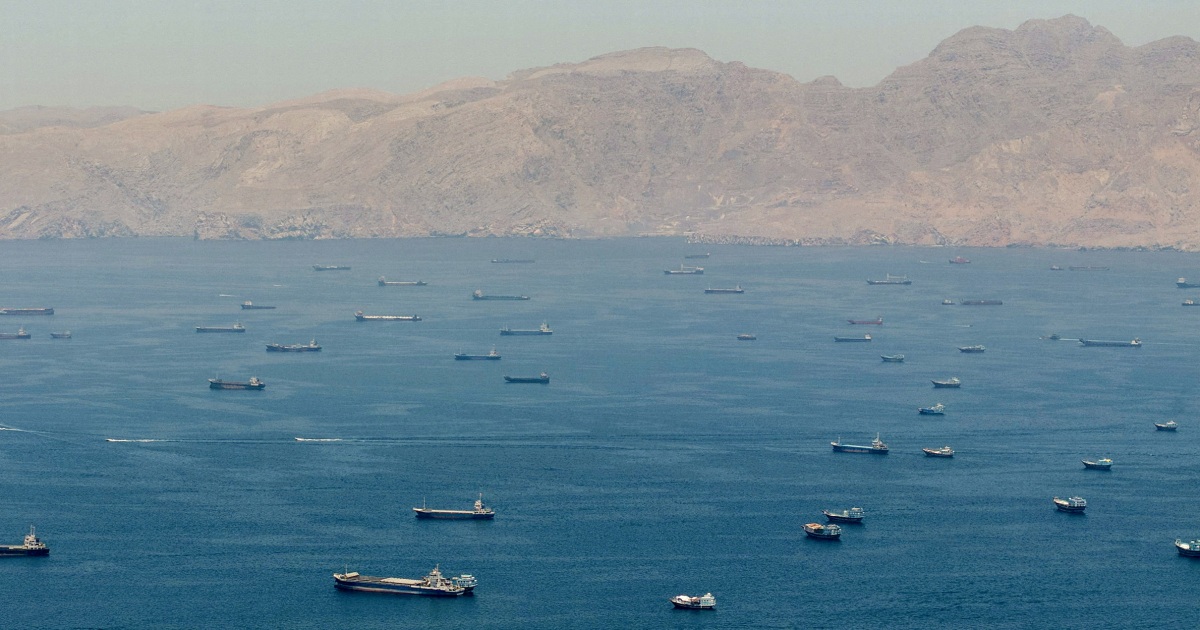
Iran’s effective blockade of the Strait of Hormuz—through which 20% of the world’s oil passes—has sent shockwaves through global markets. Prices for oil, natural gas, and fertilizers have surged, with analysts warning of potential shortages if the standoff drags on. Trump’s threat to Oman, a key transit hub for trade, only heightens the risk. “Iran has effectively shut off the Strait,” Trump noted in a Cabinet meeting, framing the move as a direct challenge to U.S. dominance in the region. The economic pressure, however, has not translated into diplomatic leverage: Iran’s Foreign Ministry dismisses U.S. demands as unrealistic, while Trump insists he feels “no pressure” to negotiate.
The contradiction is stark. Economically, the Strait’s closure is a disaster. Politically, Trump’s refusal to rush talks suggests he believes he holds the upper hand. But the strikes—and the risk of further escalation—could force his hand. If commercial shipping is disrupted further, even Trump’s base may demand action. The question is whether the U.S. will prioritize military deterrence or finally engage in serious talks before the situation spirals beyond control.
What Comes Next: Three Scenarios for the Next 30 Days
The next month will determine whether the ceasefire collapses entirely or whether a fragile détente can hold.
- Escalation: If Iran interprets U.S. strikes as a green light for further attacks—such as targeting U.S. forces or commercial vessels—the conflict could spiral. The Revolutionary Guard has already warned of “consequences” for further U.S. actions, and Trump’s rhetoric toward Oman suggests a willingness to use force.
- Stalemate: Both sides dig in, with limited strikes continuing but no major offensive. The Strait remains partially closed, economic pressure mounts, and negotiations stall. This scenario risks prolonging the crisis indefinitely, with no clear winner.
- Negotiated Pause: Under intense economic and political pressure, the U.S. and Iran agree to a temporary ceasefire to buy time for talks. This would require Trump to override his own “no pressure” stance—but the global market’s dependence on the Strait could force his hand.
The most dangerous variable is Israel. Netanyahu’s refusal to halt strikes in Lebanon—despite the U.S. truce—complicates any Iran-U.S. deal. If Hezbollah escalates, the U.S. may be forced to choose between supporting Israel or pushing for a broader regional settlement. For now, Trump’s focus remains on Iran, but the Lebanese front could become the tipping point that either breaks the stalemate or deepens it.
The Human Cost: 13 Lives Lost, No End in Sight
Amid the geopolitical maneuvering, the human toll of the conflict remains stark. On Memorial Day, Trump honored the 13 U.S. service members killed in the Iran war, declaring they died to ensure Iran “will never have a nuclear weapon.” The statement underscores the administration’s red line—but also the reality that, for now, the war grinds on with no clear end. The ceasefire is holding, but the strikes prove it’s anything but stable. With no breakthrough in sight, the question is whether the U.S. and Iran can find a way to de-escalate before the next round of violence leaves more families mourning.
The coming weeks will test whether diplomacy can outpace military posturing. For now, the Strait of Hormuz—and the world’s energy supplies—hang in the balance.
