
A landmark study published in Science this week reveals that domestic cats could hold the key to unlocking new cancer treatments for humans, after researchers completed the largest genetic analysis of feline tumors ever conducted. Analyzing nearly 500 cat tumors from five countries, scientists discovered striking genetic overlaps between feline cancers and those in humans and dogs—including a mutation in the FBXW7 gene that appears in over half of aggressive mammary tumors in cats, mirroring patterns seen in human breast cancer. The breakthrough, described by experts as a “valuable open resource” for future research, could accelerate precision medicine for both species.
The study, led by an international team including the University of Guelph, the Wellcome Sanger Institute, and the University of Bern, marks the first large-scale effort to profile cancer genetics in domestic cats. While cancer is a leading cause of death in cats, researchers admit their understanding of the disease has lagged behind that of dogs—until now. “Despite domestic cats being common pets, there was very little known about the genetics of cancer in these animals,” said Dr. Geoffrey Wood, a professor of pathobiology at the University of Guelph and co-senior author of the study.
Why Cats Matter: The Genetic Overlap That Could Save Lives
The findings hinge on a critical discovery: cats share many of the same cancer-driving genes as humans and dogs. Among the most significant was the FBXW7 gene mutation, which appeared in more than half of the feline mammary tumors studied. In human breast cancer, mutations in this gene are associated with poorer outcomes—a parallel that could help researchers identify new therapeutic targets. “This study can help us understand more about why cancer develops in cats and humans, how the world around us influences cancer risk, and possibly find new ways to prevent and treat it,” Wood explained.
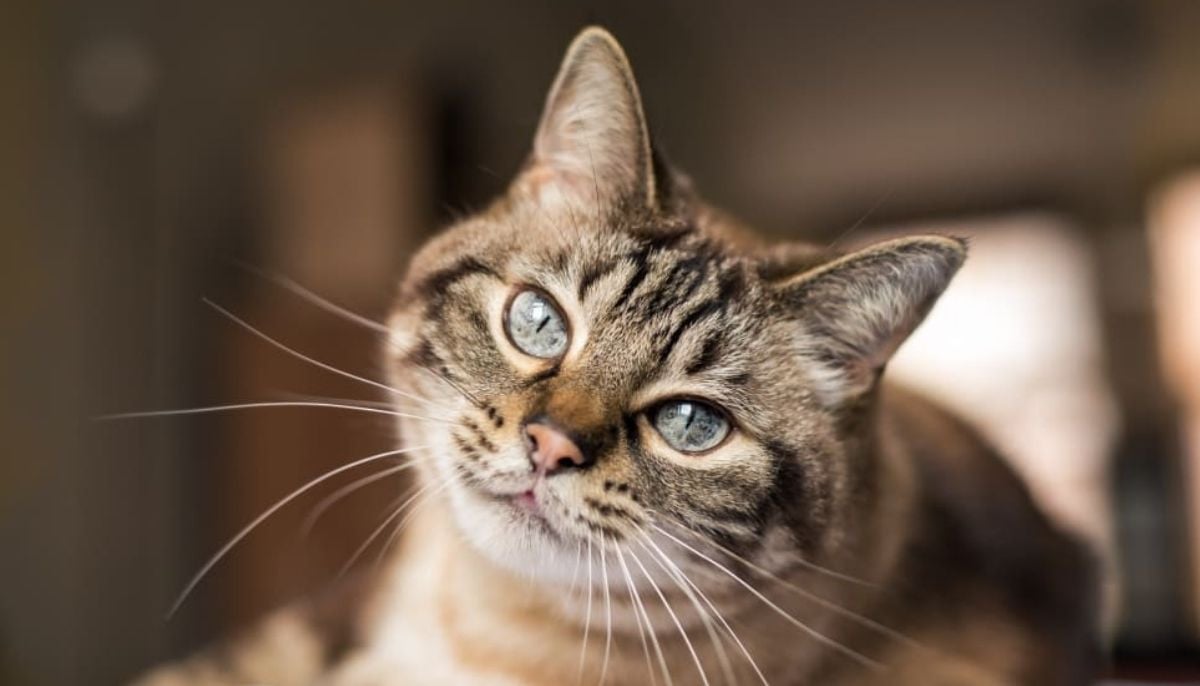
The genetic similarities extend beyond mammary tumors. Researchers also identified overlaps in cancers affecting the blood, bones, lungs, skin, gastrointestinal tract, and central nervous system. Since cats often share the same environments as their owners, scientists speculate that some cancer risks may stem from common environmental exposures—such as toxins, diet, or even shared pathogens. “Having access to such a large set of donated tissues allowed us to assess drug responses across tumor types, in a way that hasn’t been possible at this scale before,” said Dr. Sven Rottenberg, co-senior author at the University of Bern.
“This study can help us understand more about why cancer develops in cats and humans, how the world around us influences cancer risk, and possibly find new ways to prevent and treat it.”
Dr.
The implications for human medicine are profound. While the study focused on feline tumors, the genetic parallels suggest that treatments developed for cats could eventually inform human cancer care—and vice versa. For instance, researchers found that certain chemotherapy drugs appeared more effective in cat mammary tumors carrying the mutated FBXW7 gene, offering a potential blueprint for tailored therapies. “We can now begin to take the next steps forward towards precision feline oncology, to catch up with the diagnostic and therapeutic options that are available for dogs with cancer, and ultimately one day, humans,” said Dr. Louise Van Der Weyden, a senior author from the Wellcome Sanger Institute.
A Breakthrough for Fibrosarcoma: How One Cat Cancer Could Change Veterinary Medicine
While the broader study focuses on genetic overlaps, another critical finding from North Carolina State University (NC State) could revolutionize treatment for one of the most aggressive cat cancers: fibrosarcoma. Researchers at NC State’s College of Veterinary Medicine have pinpointed genetic mutations that distinguish between two types of fibrosarcoma—injection-site sarcomas (often caused by vaccinations) and non-injection-site sarcomas. These tumors look nearly identical under a microscope, making treatment decisions difficult. By identifying specific genetic markers, veterinarians could soon offer more precise—and potentially life-saving—treatments.
The research, funded by the EveryCat Health Foundation and the Doris Day and Terry Melcher Foundation, highlights how advances in feline cancer care could also benefit other species. “This work could transform how veterinarians diagnose and treat fibrosarcoma,” said Drs. Matthew Breen and Rachael Thomas, the lead investigators. The findings may even provide insights for humans, as fibrosarcomas in cats share genetic similarities with certain human sarcomas.
The One Health Approach: How Cat Cancer Research Could Bridge the Gap Between Veterinary and Human Medicine
The study exemplifies the growing field of One Health, an interdisciplinary approach that recognizes the interconnectedness of human, animal, and environmental health. By studying cancer in cats—animals that live in close proximity to humans—researchers can uncover shared biological pathways that might otherwise go unnoticed. “When knowledge and data flows between different disciplines, we can all benefit,” noted Bailey Francis, co-first author at the Wellcome Sanger Institute.
One immediate application could be the repurposing of human cancer drugs for feline patients. For example, if a chemotherapy regimen proves effective in treating FBXW7-mutated tumors in cats, veterinarians could adopt it more quickly than if they had to develop treatments from scratch. Conversely, insights from feline cancer trials could guide human clinical research. “Information from cancer trials involving domestic cats may guide future human clinical research,” Van Der Weyden said.
What’s Next? The Roadmap for Precision Feline Oncology
The study’s publication in Science signals the beginning of a new era in veterinary oncology. Researchers are now poised to leverage this genetic database to develop targeted therapies for cats—catching up with the advanced diagnostic and treatment options already available for dogs. “Precision feline oncology” could become a reality within the next decade, potentially offering cat owners more effective—and less invasive—treatment options.

Yet challenges remain. While the genetic similarities are promising, translating these findings into clinical practice will require collaboration across veterinary schools, human cancer centers, and pharmaceutical companies. The study’s authors emphasize the need for continued tissue donation from cats with cancer, which will fuel further research. “Having access to such a large set of donated tissues allowed us to assess drug responses across tumor types, in a way that hasn’t been possible at this scale before,” Rottenberg reiterated.
“We can now begin to take the next steps forward towards precision feline oncology, to catch up with the diagnostic and therapeutic options that are available for dogs with cancer, and ultimately one day, humans.”
Dr.
For now, the study serves as a call to action: by studying cancer in cats, scientists may unlock treatments that benefit both pets and their human companions. The genetic roadmap is laid out—what’s needed now is the will to follow it.
For readers eager to learn more, the full study is available in ScienceDaily, while additional details on fibrosarcoma research can be found on the NC State University website. The genetic breakthroughs were also highlighted in a feature by MRCVSonline, and further explored in a global health perspective by The News International.
