
U.S. District Judge Christopher Cooper ruled May 29, 2026, that President Donald Trump’s name could not be added to the Kennedy Center without congressional approval, blocking the administration’s plan to close the venue for two years of renovations. The decision halted a contentious effort by Trump to rename the facility and reconfigure its operations, sparking immediate backlash from the president and a surge of public reaction outside the Washington, D.C., landmark.
Legal Foundations: The Kennedy Center’s Statutory Name
Cooper’s ruling centered on the Kennedy Center’s statutory identity, emphasizing that Congress, not a board of trustees, holds authority over its formal name. “Congress gave the Kennedy Center its name, and only Congress can change it,” the judge wrote, citing the facility’s original 1964 legislation. This legal framework directly invalidated the board’s March 16 vote to rename the center the “Trump Kennedy Center” and to shutter it for renovations starting in July 2026. Boston.com reported that the judge ordered the removal of Trump’s name from the building’s façade and official materials within two weeks.
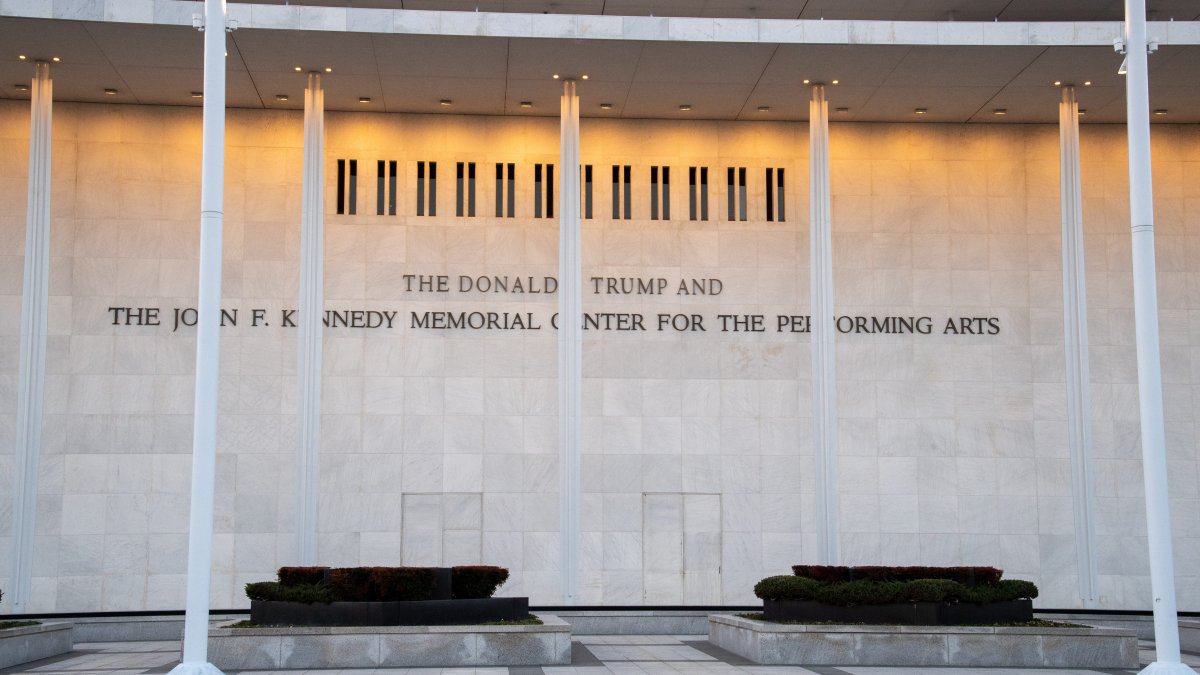
The judge’s decision also addressed the board’s procedural shortcomings. He criticized the trustees for “ill-informed and seemingly preordained” closure plans, noting they failed to “independently balance its multiple obligations to the Center in a prudent fashion.” However, Cooper allowed the facility to proceed with capital repairs, stating they “are sorely needed” and would not be blocked by the injunction. NBC4 Washington highlighted that the ruling left room for the board to revisit closure decisions after reevaluating its obligations.
Trump’s Response: A Retreat or a Strategic Move?
Trump responded to the ruling with a mix of resignation and defiance, announcing on Truth Social that he would “return the center for the performing arts to the control of Congress.” “We are going to be working with Congress to transfer this failing Institution back to them so they can make a determination as to what to do with it,” he wrote. CNBC noted the statement marked a shift from his earlier efforts to assert control over the venue. The president also lashed out at Cooper, claiming the judge “should be ashamed of himself” and accusing the judiciary of allowing “danger to the Public [to] flourish in plain and open sight.”

The move to relinquish control appears to be a strategic pivot. Trump’s administration had previously stripped Rep. Joyce Beatty, a Democratic trustee, of her voting rights in May 2025, a decision that fueled the lawsuit. CNBC reported that Beatty’s legal challenge, which argued the name change and closure violated the Kennedy Center’s organic statute, was a key catalyst for the court’s intervention. By handing the institution back to Congress, Trump may be avoiding further legal entanglements while maintaining a public image of cooperation.
Public and Political Reactions: A Divided Landscape
The ruling sparked immediate public reactions outside the Kennedy Center. NBC4 Washington described a gathering of protesters and supporters of JFK’s legacy who turned the moment into a celebration. “This is a victory for the integrity of the Kennedy Center,” said one attendee, referencing the venue’s role as a cultural landmark. The event coincided with what would have been JFK’s 109th birthday, adding symbolic weight to the decision.
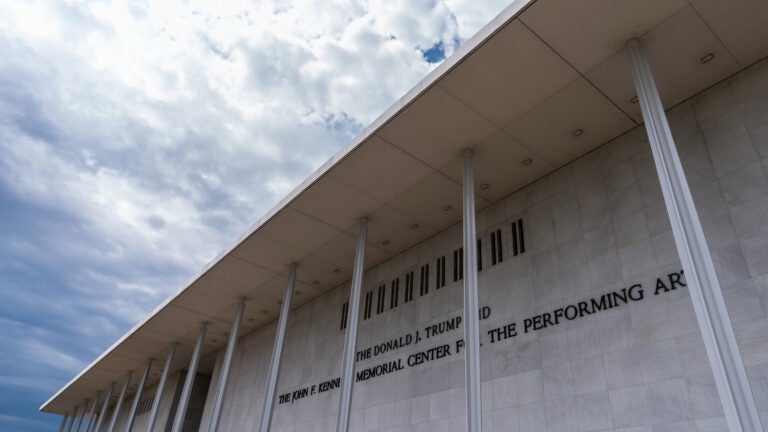
Politically, the case has highlighted tensions over federal institutions and executive power. Rep. Beatty, who filed the lawsuit, praised the ruling as a “clear affirmation of the law.” CNBC quoted her as stating, “The Kennedy Center’s organic statute makes crystal clear that the Center is to be named for President Kennedy, and it cannot bear any other formal name or public memorial based on the Board’s unilateral say-so.” Meanwhile, Trump’s allies framed the decision as a partisan overreach, with one spokesperson calling it “another example of the judiciary undermining presidential authority.”
Implications for the Kennedy Center’s Future
The ruling leaves the Kennedy Center in a precarious position. While capital repairs can proceed, the board’s authority to make structural changes remains constrained. The $257 million renovation, partially funded by Congress, is now subject to congressional oversight, raising questions about its timeline and scope. NBC4 Washington noted that the center’s leadership has not yet commented on how it will navigate the legal and financial implications of the decision.
For Trump, the episode underscores the limits of his influence over federal institutions. His attempts to reshape the Kennedy Center—part of a broader effort to leave a “personal mark” on Washington’s landmarks—have been met with legal resistance. The case also sets a precedent for future disputes over the naming and management of federal facilities, potentially complicating similar efforts by other administrations.
As the Kennedy Center prepares for its next steps, the ruling serves as a reminder of the delicate balance between executive authority and statutory constraints. For now, the venue remains a symbol of both cultural legacy and political contention, with its future hinging on the interplay of law, public opinion, and the shifting tides of Washington’s power dynamics.
