
A $70 billion Republican-led immigration enforcement bill collapsed this week after lawmakers clashed over President Donald Trump’s $1.8 billion slush fund for settling claims of government mistreatment—a stumble that now threatens the GOP’s midterm electoral strategy. With Speaker Mike Johnson and Majority Leader Steve Scalise pushing for a “Reconciliation 3.0” bill to boost defense spending and cut waste, the fight over funding has exposed deep fractures in the party’s ability to deliver on legislative promises before the August recess.
Trump’s Slush Fund Derails GOP’s Biggest Bill
The $70 billion immigration package—supposedly a sure-fire win for Republicans—hit a wall over two provisions: $1.8 billion for a politically directed fund to settle claims of government overreach, and $350 billion in defense spending tied to Trump’s reconciliation push. According to Fortune, the White House’s demand for the $1.8 billion fund, which sidesteps congressional oversight, sparked internal GOP rebellion. Lawmakers like Rep. Jodey Arrington (R-TX), chairman of the House Budget Committee, framed the defense spending as non-negotiable—“I can’t imagine a Republican not wanting to support our troops in conflict,” he said—but the slush fund became a poison pill.
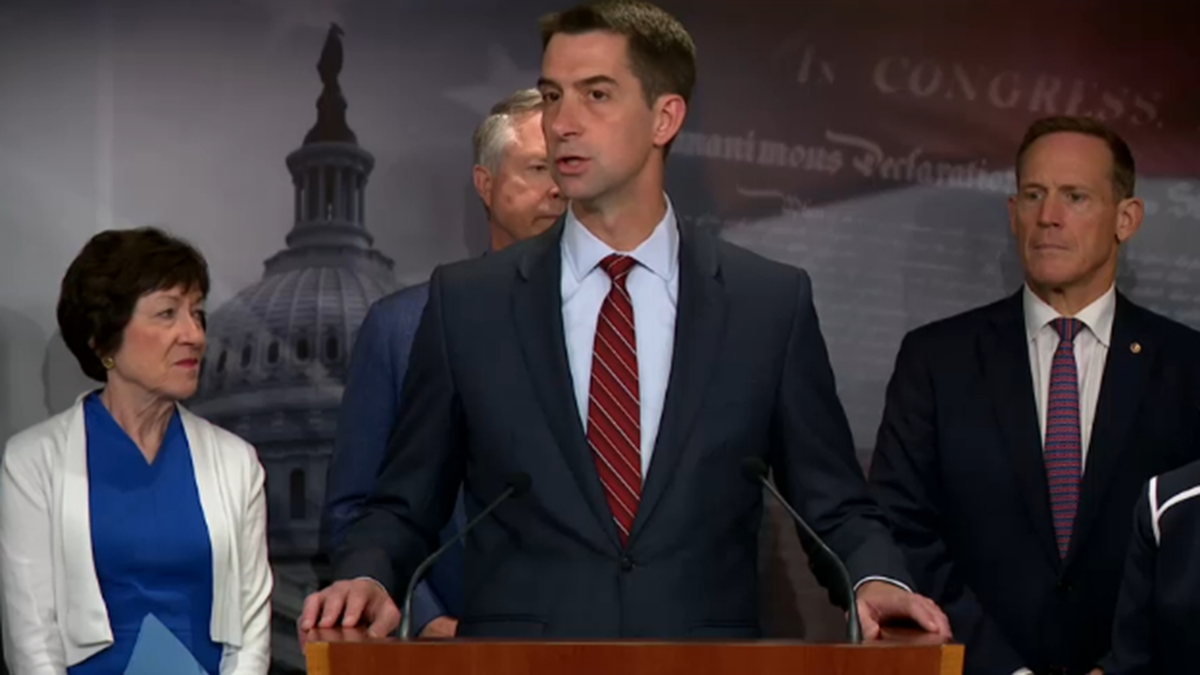
The backlash is a blow to Trump’s political calculus. While the president’s approval ratings remain volatile, the bill’s collapse underscores how his legislative priorities—especially those that bypass Congress—are now alienating even his own party. Democrats, meanwhile, are seizing on the chaos. Rep. Brendan Boyle (D-PA), the top Democrat on the Budget Committee, warned that the GOP’s slim House majority makes passage of another partisan bill nearly impossible without broad rank-and-file support—a luxury Trump’s polarizing moves have eroded.
Iowa Democrats Bet on Economic Backlash
While Republicans scramble to salvage their legislative agenda, Democrats in Iowa are betting that voter frustration over Trump’s policies will flip the state’s congressional delegation—including a Senate seat and three House districts. As Punchbowl News reported from Sioux City, Iowa Democrats are framing their campaign around rising costs, healthcare premiums, and rural economic strain. “Folks are seeing Trump policies decimate their financial realities here in this state,” said Lindsay James, a state representative running for Iowa’s open 2nd District. “It’s not just gas or groceries. It’s the fact that folks are watching the premium rates in their healthcare go up.”
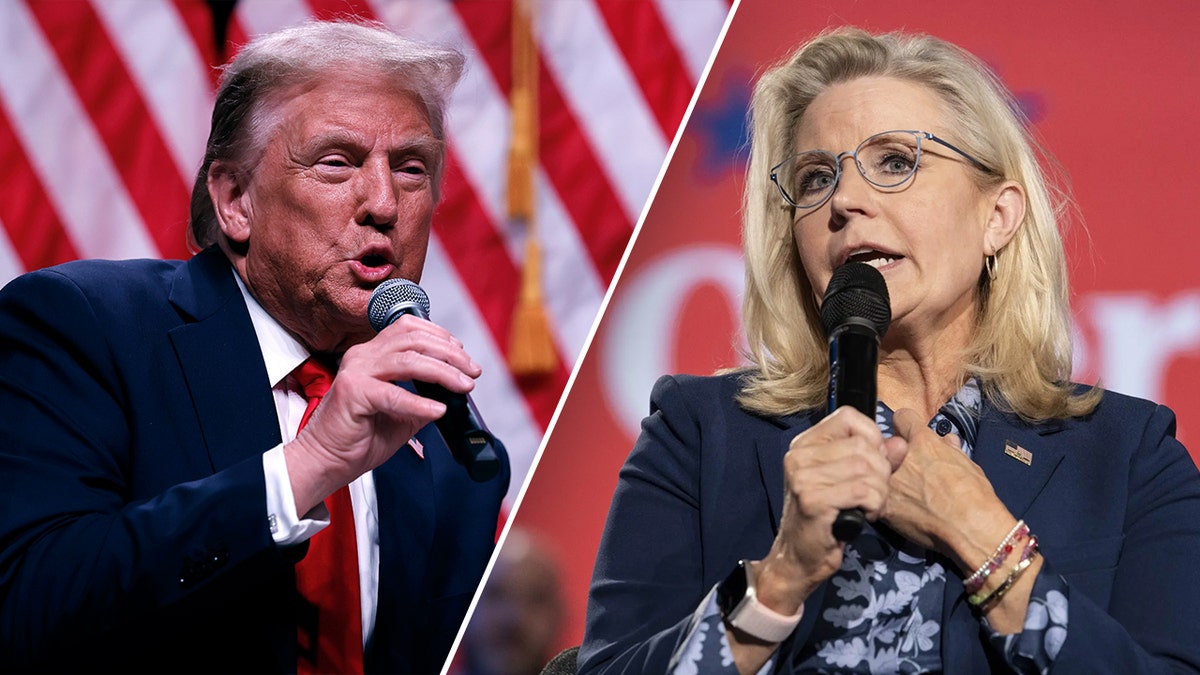
James’s district backed Trump by 11 points in 2024, yet Democrats are pouring millions into turning it blue—part of a broader strategy to replicate the 2018 midterm wave when the party flipped three House seats. State Sen. Zach Wahls, running for Senate, put it bluntly: “A lot of it is not really left-right ideological. It’s really a question of who do you work for?” The message resonates in a state where Trump’s 2024 victory by 13 points masks deep discontent. Rural counties that backed Barack Obama in 2008 and 2012 have since shifted hard to Trump—but Democrats argue those voters aren’t Republicans; they’re independents and disaffected moderates ripe for recruitment.
“We’re a common-sense state that’s masqueraded as a red state. The margins are small.”
What’s Next for the GOP’s Reconciliation Push
With the immigration bill stalled, Republicans are doubling down on their “Reconciliation 3.0” plan—a scaled-down version of last summer’s tax-and-spending bill that Speaker Johnson hopes will avoid the same infighting. The new measure would increase Pentagon spending by hundreds of billions while offsetting costs with cuts to “government waste and fraud,” though details remain scant. As Fortune noted, Johnson is confident he can navigate the House’s slim majority again—“It will be just as beautiful, but not as big, so it’ll have less provisions and less things to get everybody to yes on,” he said—but the slush fund fight has already soured the mood.

The timeline is tight: Congress will leave for the August recess in less than three months, and the midterms loom in November. If Republicans fail to pass another major bill, it will reinforce the narrative that Trump’s presidency is a legislative dead end—one that could cost them control of Congress. Meanwhile, Democrats are positioning Iowa as a bellwether for their national strategy, with outside groups flooding the state to exploit economic anxiety. The question isn’t whether the GOP can pass a bill; it’s whether they can do so without further fracturing an already divided party.
The Stakes for Trump’s Midterms
The immigration bill’s collapse isn’t just a legislative setback—it’s a political earthquake. For Trump, who has primaried nearly every Republican senator whose vote he needs, the failure to deliver on funding risks alienating both the base and moderates. As Punchbowl News highlighted, Iowa’s Democratic surge is part of a broader trend: voters are punishing Trump’s policies at the ballot box, even in deep-red states. The $1.8 billion slush fund, in particular, has become a symbol of Trump’s disregard for congressional norms—a message Democrats are weaponizing in swing districts.
For Republicans, the next 30 days will determine whether they can pivot from defense to economic messaging—or if the slush fund controversy will dog them through the midterms. If they pass Reconciliation 3.0, they’ll claim a victory. If they don’t, the narrative shifts to gridlock and Trump’s inability to govern. Either way, Iowa’s races will be a critical test: Can Democrats turn economic frustration into electoral gains, or will Trump’s coattails still hold?
The answer may hinge on whether voters care more about party loyalty—or their own wallets.
