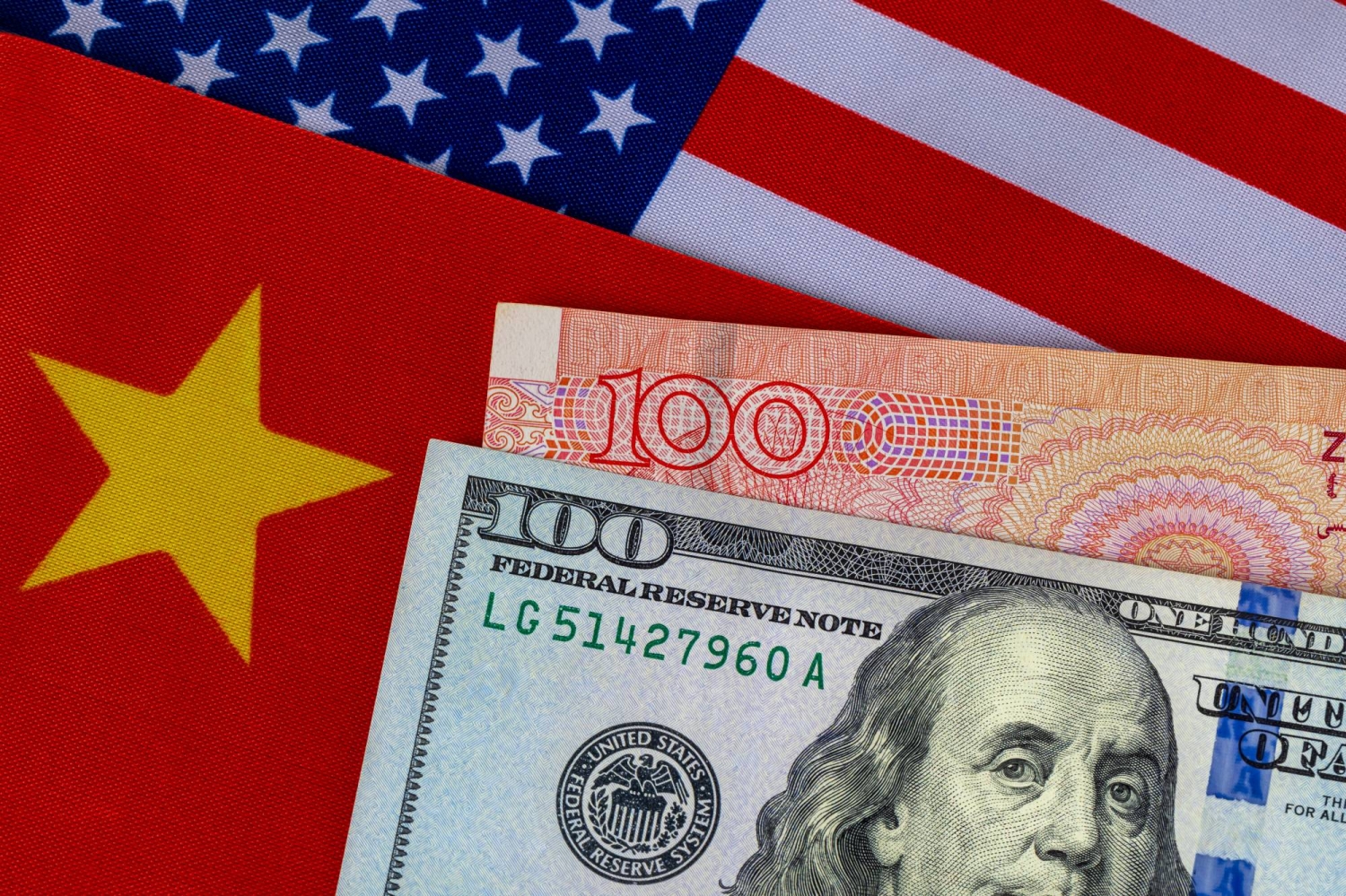
The People’s Bank of China is aggressively expanding the domestic and international reach of its digital yuan, or e-CNY, by incentivizing commercial banks to integrate the currency into sectors ranging from government spending to green energy payments, according to reports from Devdiscourse and Modern Diplomacy.
Strategic Shifts in Domestic Adoption
China’s central bank is moving beyond early pilot programs to embed the digital yuan into the daily mechanics of the Chinese economy. Recent policy shifts have authorized commercial banks to offer interest on digital yuan holdings, transforming the currency into a more viable deposit option for individuals and businesses alike. According to Modern Diplomacy, this move is designed to compel banks to actively promote the currency, as their metrics for e-CNY usage are now under greater regulatory scrutiny.
In a May 2026 briefing note, analysts at the China Banking and Insurance Regulatory Commission (CBIRC) indicated that the inclusion of e-CNY in bank performance scorecards is now a “primary KPI” for tier-one commercial lenders. This shift follows the People’s Bank of China’s (PBOC) “Circular on Enhancing Digital Currency Integration,” issued April 14, 2026, which explicitly mandates that state-owned banks must transition 15% of their total internal settlement volume to the e-CNY network by the end of Q4 2026. Pan Gongsheng, Governor of the PBOC, stated during a May 12, 2026, press conference that the bank is prioritizing “liquidity parity” between traditional renminbi deposits and e-CNY wallets to minimize friction for retail users.

To drive adoption, local governments are testing the digital currency for salary payments and healthcare disbursements. Furthermore, the central bank is exploring the use of smart contracts to automate payments within supply chains and government fiscal spending. These initiatives represent a concerted effort to create a functional ecosystem, even as the digital yuan faces stiff competition from established private payment platforms like Alipay and WeChat Pay, which continue to dominate retail habits. As of the March 2026 earnings report from Ant Group, Alipay’s transaction volume remained significantly higher than the combined throughput of the PBOC’s digital infrastructure, though the gap is narrowing in Tier-2 and Tier-3 cities where municipal payrolls are now exclusively paid in e-CNY.
International Ambitions and the De-Dollarization Drive
The push for the e-CNY is not confined to China’s borders. There is a clear geopolitical dimension to this rollout, as Beijing seeks to reduce its vulnerability to Western-controlled payment systems. Devdiscourse notes that the strategy positions China in direct contrast to the United States, where financial systems remain heavily reliant on stablecoins and private market innovation.

In a May 20, 2026, filing with the Bank for International Settlements (BIS), the PBOC outlined the “mBridge” project’s expansion, confirming that it has successfully processed cross-border trade settlements with the Central Bank of the United Arab Emirates and the Saudi Central Bank. The filing confirms that these transactions were conducted in e-CNY to bypass the SWIFT messaging system, a critical step in the “Project mBridge” roadmap. Liu Quing, an economist at the Shanghai Institute of Finance and Law, noted in a May 24, 2026, research note that this capability is being marketed specifically to BRICS+ nations as a “sovereign-backed alternative” to the volatility of US-pegged stablecoins.
For China, the digital yuan is a tool for international enterprise settlement, particularly along the routes of the Belt and Road Initiative. Banks are being encouraged to develop financial products such as loans and letters of credit denominated in e-CNY to facilitate this trade. Industry observers suggest that the current geopolitical climate, exacerbated by conflicts in the Middle East, has intensified interest among oil-producing nations in exploring alternatives to the dollar, fueling the broader conversation around de-dollarization. During the May 2026 Energy Forum in Riyadh, representatives from PetroChina confirmed they are currently negotiating three long-term supply contracts with Gulf state counterparts that stipulate e-CNY as the primary currency for settlement, a move previously unseen in decade-long historical oil trade patterns.
The Scale of the Challenge
Despite the high-level policy support, the digital yuan remains in a nascent phase of growth. Since its launch in 2019, total transaction volume has reached 16.7 trillion yuan, or approximately $2.47 trillion. While this figure is significant, it remains small when compared to the vast scale of transactions processed through China’s UnionPay network. According to data released by the PBOC on May 5, 2026, the cumulative volume represents less than 4% of total digital payment transactions in the country over the same period.

The path forward is fraught with systemic hurdles. Foreign partners have shown limited enthusiasm for adopting the digital yuan, and experts suggest that while the currency is well-suited for China’s internal banking operations, it may struggle to gain traction with international users accustomed to different standards. As The Japan Times reports, the global rivalry for dominance in 21st-century finance is intensifying as the United States approaches a resolution on the regulatory status of stablecoins, specifically those offering 1:1 representations of the dollar. In a May 25, 2026, hearing before the US Senate Committee on Banking, Housing, and Urban Affairs, Treasury officials noted that the “stability and legal clarity” of the US regulatory framework for stablecoins remains a significant barrier to e-CNY adoption among Western institutional investors, who remain hesitant to operate within a system that lacks an independent judicial review process for transaction disputes.
Future Infrastructure and Policy Outlook
Looking ahead, the People’s Bank of China is considering the establishment of a dedicated clearinghouse for digital yuan transactions to streamline processing efficiencies and improve cross-border capabilities. The success of these efforts hinges on the ability of state-backed initiatives to overcome the entrenched dominance of existing private sector payment apps. In a May 27, 2026, statement, the China Payment and Clearing Association announced that it is developing a “Unified Gateway API” to force interoperability between e-CNY wallets and the private ecosystems of Tencent and Alibaba, effectively requiring these private firms to surrender proprietary transaction data to the central bank by the end of 2026.
For now, the focus remains on building a robust, bank-integrated infrastructure. By allowing interest payments and expanding the network of authorized banks, the central bank is attempting to force a shift in banking operations. The coming months will determine whether these fiscal and structural incentives are sufficient to elevate the e-CNY from a localized pilot project to a meaningful player in international trade. Goldman Sachs analysts, in a note dated May 29, 2026, cautioned that while the “institutional mandate” is strong, the “on-the-ground user adoption” remains the primary bottleneck for the PBOC, as retail consumers continue to prioritize the convenience of established private platforms over the government-backed digital alternative.
