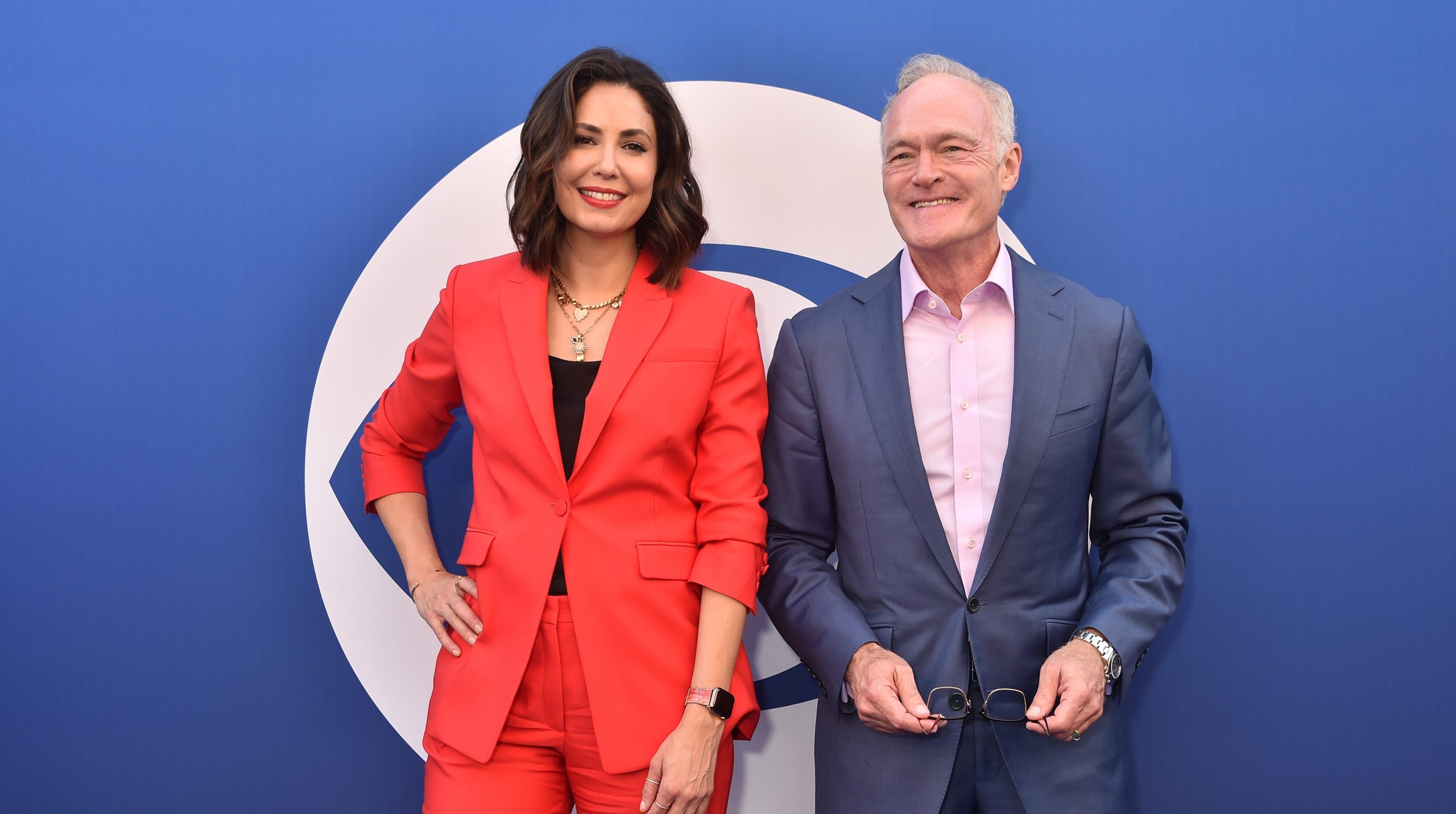
CBS News has fired longtime ’60 Minutes’ correspondent Scott Pelley after he publicly accused new executive producer Nick Bilton and editor-in-chief Bari Weiss of “murdering” the show during a chaotic staff meeting this week. The dismissal marks the latest in a sweeping overhaul at the network’s flagship program, where Weiss—hired in 2024 to reshape CBS News—has replaced three executive producers, two correspondents, and now Pelley, the face of the show for 25 years. With Paramount Skydance awaiting regulatory approval for its $17 million settlement of a Trump-era lawsuit against CBS, insiders say the turmoil reflects not just creative clashes but corporate pressure to align with a more centrist, less politically charged news agenda.
Why Pelley’s Exit Is the Nuclear Option in Weiss’s ’60 Minutes’ Overhaul
Scott Pelley was not just another correspondent. For 25 years, his gravelly voice anchored 60 Minutes‘s reputation as the gold standard of broadcast journalism—a show that prided itself on deep reporting, not soundbites. His firing isn’t just a personnel move; it’s a symbolic act. Pelley’s public clash with Nick Bilton, the new executive producer hired by Bari Weiss, wasn’t just about creative differences. It was a collision of two visions for the show’s future. According to The Hollywood Reporter, Pelley accused Bilton of trying to “murder” the show in a staff meeting, a phrase that resonated with the broader unease among CBS News veterans about Weiss’s leadership. Pelley’s response—quoted verbatim in a statement—was blunt: “The leadership of ’60 Minutes’ is no longer recognizable. The principles I hold dear are gone, and so I must leave as well.”

What makes this moment explosive is the speed of the fallout. Weiss, who took over CBS News in 2024 after stints at The New York Times and The Free Press, has been on a mission to rebrand the network as more centrist and less reliant on traditional liberal media narratives. Pelley, a veteran who joined in 1989, represented the old guard—a journalist whose career spanned Watergate-era investigations to modern-day accountability reporting. His firing isn’t just about one man; it’s about the death of an era. As Steve Kroft, another 60 Minutes legend who retired in 2019, put it in an interview with PBS NewsHour: “It’s been disastrous for the show, for the audience. It’s been going on for a long time.” Kroft traced the decline to a 2019 lawsuit where CBS settled a $17 million claim from the Trump administration over an edited interview with Kamala Harris—a case with no legal merit, according to Kroft, but one that sent a clear message to the network: play it safe.
The $17 Million Lawsuit That Changed Everything
The Harris interview lawsuit wasn’t just a legal setback; it was a turning point. The Trump administration’s claim—that CBS had illegally edited the tape to make Harris appear less competent—was widely dismissed as politically motivated. Yet CBS settled anyway, a move that sent shockwaves through the newsroom. As Kroft explained, “Since then, it’s just been one thing after another.” The timing couldn’t be worse. With Paramount Skydance now seeking FCC approval to merge with Warner Bros. Discovery (a deal that would give Trump-aligned regulators significant influence over CNN, MSNBC, and CBS), the network is under intense pressure to avoid further controversy. Weiss, a vocal critic of what she calls “woke” journalism, has been positioned as the fix—a leader who can appeal to both centrist audiences and conservative-leaning regulators.
For more on this story, see Pelley Accuses CBS of ‘Murdering’ 60 Minutes Amid Mass Fires, Trump-Linked Overhaul.
But her approach has alienated many at CBS. The firings—first of executive producer Tanya Simon, then correspondents Sharyn Alfonsi and Cecilia Vega, and now Pelley—have created a sense of betrayal. Alfonsi, who left in 2024, was a Pulitzer-winning journalist; Vega, a rising star in investigative reporting. Their departures were framed as part of a “reshaping,” but insiders told The Hollywood Reporter that the real driver was Weiss’s push to move the show toward digital-first content and away from its traditional investigative roots. The question now is whether Bilton, a former New York Times and Vanity Fair journalist with no broadcast experience, can pull it off—or if 60 Minutes will become a shadow of its former self.
What Bilton Brings (and What He Doesn’t)
Nick Bilton’s hiring was a surprise. A magazine journalist by trade, he lacks the broadcast pedigree of his predecessors. Yet Weiss has staked her reputation on his ability to modernize 60 Minutes. The challenge? The show’s audience—9 to 10 million weekly viewers—isn’t known for embracing change. Bilton’s first staff meeting was a disaster. According to PBS, Pelley’s outburst wasn’t just about creative control; it was about the soul of the show. Bilton, in his firing letter, accused Pelley of “remarkable incivility,” but the real tension was ideological. Weiss has made no secret of her desire to shift CBS News toward a more centrist, less partisan approach—a move that has drawn praise from some and outrage from others.
The problem? 60 Minutes has always been about hard-hitting journalism, not brand messaging. Bilton’s background in print journalism suggests he may prioritize digital engagement over traditional broadcast storytelling. But without a clear plan to retain the show’s investigative edge, he risks turning 60 Minutes into just another news magazine—one that lacks the depth and prestige that made it a cultural institution.
The Political Pressure Cooker: Why CBS Can’t Afford to Fail
Paramount Skydance’s merger with Warner Bros. Discovery is hanging by a thread. The FCC’s approval is far from guaranteed, especially under a Trump-aligned administration that has made no secret of its hostility toward mainstream media. CBS News, as part of that deal, is caught in the crossfire. Weiss’s hiring was seen as a strategic move—a way to signal to regulators that CBS was serious about reform. But her aggressive overhaul has backfired. The firings have demoralized the staff, and the public relations fallout has been severe. Even CBS anchors have weighed in, with one paying tribute to Pelley on air, calling his firing a “tragedy for journalism.”

This follows our earlier report, Nick Bilton to lead 60 Minutes amid shake-up.
The bigger picture? This isn’t just about 60 Minutes. It’s about the future of broadcast journalism in an era where digital-first media dominates. Weiss’s push to expand the show’s digital presence makes sense in theory—but at what cost? If the show loses its investigative teeth, will viewers still tune in? The answer may depend on whether Bilton can deliver a compelling vision for the future. For now, the damage is done. Pelley’s exit isn’t just a loss for 60 Minutes; it’s a warning sign for the entire industry.
What Comes Next: Three Possible Scenarios
- Scenario 1: The Digital Pivot Succeeds — If Bilton can rebrand the show as a multimedia platform—expanding its digital footprint while keeping some of its investigative core—he might salvage its relevance. But this would require a complete overhaul of the show’s identity, something that could take years.
- Scenario 2: The Show Becomes a Shell of Itself — If Bilton prioritizes digital engagement over hard journalism, 60 Minutes risks losing its edge. Without a clear plan to retain its investigative reputation, the show could become just another news magazine, competing with 60 Minutes Overtime and other digital-first outlets.
- Scenario 3: The Exodus Continues — If more veterans leave, the show could face a brain drain. Pelley’s exit sends a message: 60 Minutes is no longer a place for journalists who believe in deep reporting. If that happens, the show’s future is in serious doubt.
The stakes couldn’t be higher. 60 Minutes isn’t just a TV show—it’s a cultural institution. Its decline would mark the end of an era in broadcast journalism. For now, the only certainty is chaos. But one thing is clear: Bari Weiss’s gamble has backfired. The question is whether she can recover—or if 60 Minutes will be remembered as the show that died under her watch.
What happens next depends on whether Bilton can deliver a vision that satisfies both Weiss’s digital ambitions and the show’s legacy of hard-hitting journalism. For now, the answer is anyone’s guess.
