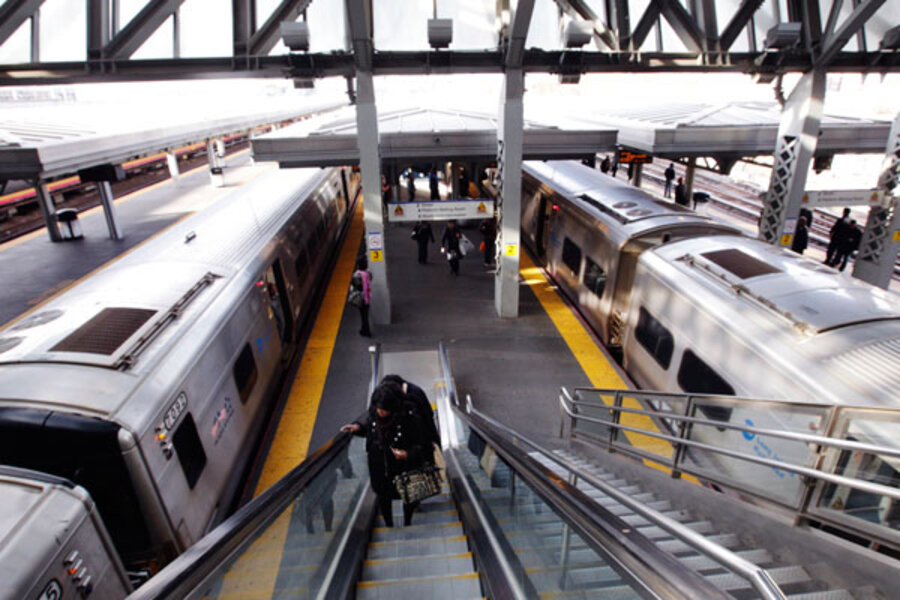
The Long Island Rail Road (LIRR) strike has paralyzed commuter rail service across New York’s busiest rail corridor, forcing hundreds of thousands of daily riders into hours-long delays as the labor dispute enters its third day on Monday, May 18, 2026. With no end in sight to the shutdown, officials warn of prolonged transportation chaos and economic strain for Long Island and Manhattan.
Strike Shuts Down LIRR, Disrupting 300,000+ Daily Riders
The Long Island Rail Road (LIRR), the busiest commuter railroad in North America with an average weekday ridership of 336,300 passengers, has been completely shut down since Friday, May 16, 2026. The strike, now in its third day, has left commuters stranded as transit unions and the Metropolitan Transportation Authority (MTA) remain deadlocked over contract negotiations. According to the BBC, the shutdown has triggered “transportation chaos” for hundreds of thousands of workers who rely on LIRR to reach Manhattan and Brooklyn.
LIRR operates 24/7 across 11 branches and 126 stations, spanning 700 miles of track from Montauk to Manhattan. Its shutdown has forced commuters to rely on substitute bus services, which officials describe as woefully inadequate for the demand. The MTA has urged employees to work from home, but many jobs—particularly in essential sectors—do not offer remote options, leaving workers with no viable alternative.
As of Monday morning, negotiations between the MTA and transit unions, including those representing LIRR workers, have not yielded a resolution. The unions are demanding fair wages, better benefits, and a new contract, while the MTA has yet to meet their core demands. The impasse has left riders facing marathon commutes, with some reporting delays exceeding three hours.
Riders Describe Marathon Commutes and Frustration
Commuters have taken to social media and local news outlets to describe the chaos unfolding on Monday. The CBS News reports that riders are experiencing “hours-long commutes” as they attempt to reach Manhattan, with some missing work entirely. The strike has also affected travel to and from major hubs like Penn Station and Grand Central Terminal, where LIRR connects with other transit systems.
One rider told the BBC that they had been waiting for updates that never arrived, while others described scrambling to adjust their schedules after the strike began. The lack of real-time information has exacerbated frustration, with many commuters left in the dark about when—or if—service will resume.
Substitute bus services, provided by the MTA, have been overwhelmed by demand. The New York Times notes that these buses are not equipped to handle the volume of riders, leading to further delays and congestion on Long Island roads. Officials have warned that traffic on major highways, including the Long Island Expressway (I-285), could worsen as more drivers take to the roads.
Economic and Political Fallout
The strike’s impact extends beyond commuters, threatening to disrupt local economies dependent on LIRR service. Long Island’s business districts, including those in Nassau and Suffolk counties, rely heavily on daily commuters for foot traffic and revenue. The MTA has not provided a timeline for restoring service, leaving businesses and workers alike in limbo.
City and state officials have urged patience, but the prolonged shutdown risks deepening economic strain. The Times reports that negotiations resumed Monday morning, but with no immediate breakthrough. The strike has already become the longest transit shutdown in New York City in over 30 years, surpassing even the 1995 MTA strike in duration.
Labor leaders have framed the dispute as a fight for fair compensation and working conditions, arguing that LIRR workers have been underpaid for years. The MTA, meanwhile, has cited budget constraints as a barrier to meeting union demands. Without a resolution, the strike could drag on for weeks, with ripple effects across the region’s transportation network.
What Comes Next?
As of Monday afternoon, the MTA and transit unions remain at an impasse, with no clear path to a swift resolution. The BBC reports that both sides have returned to the bargaining table, but the lack of progress raises questions about whether the strike will escalate or drag on indefinitely.
For now, commuters are left to navigate a fragmented transit system, with bus services stretched thin and no reliable alternative to LIRR. The MTA has not ruled out further disruptions, and riders are advised to monitor updates closely. Meanwhile, the economic and social costs of the shutdown continue to mount, underscoring the urgency of reaching a deal.
What is certain is that the strike has exposed deep-seated issues in New York’s transit system—issues that will not be resolved overnight. Without a breakthrough in negotiations, the chaos of the past three days could become the new normal for thousands of commuters.
