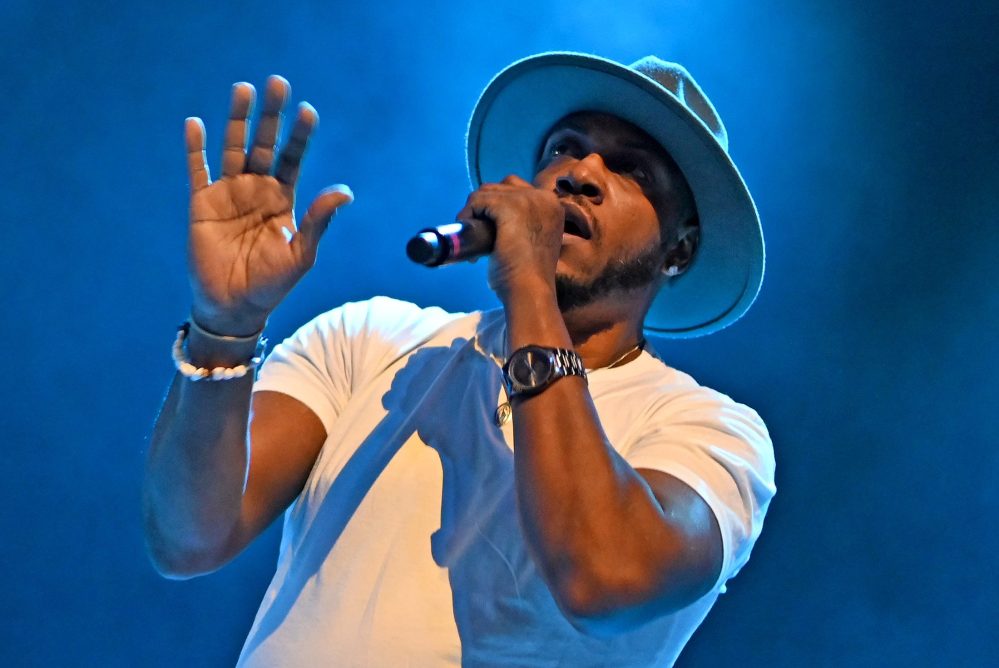
Rapper Mystikal, 55, has been sentenced to 20 years in prison for third-degree rape after pleading guilty in March 2026 to assaulting a woman at his Louisiana home in 2022. The sentence, handed down this week, marks the latest legal fallout for the Grammy-nominated artist, who previously served six years in prison for sexual battery in 2003 and faced dropped rape charges in 2020. The victim, who testified in court, described being choked, having her braids pulled out, and being forcibly raped—details that led Mystikal to declare, “If I did that to you, I deserve the max sentence.”
How the Plea Deal Reduced a Life Sentence to 20 Years
Mystikal’s sentencing stems from a March 2026 plea agreement that downgraded charges from first-degree rape—a crime carrying Louisiana’s mandatory life sentence—to third-degree rape, capped at 20 years. The shift came after prosecutors dropped nine additional charges, including battery, false imprisonment, and robbery, according to court records obtained by USA Today. The deal reflected a strategic move to avoid the automatic life sentence, though the victim’s emotional testimony in court—where she described the assault in harrowing detail—pushed Mystikal to publicly accept the maximum possible punishment.

The case unfolded after a woman accused Mystikal of raping her during a violent confrontation at his Prairieville home on July 30, 2022. Police later recovered “valuable evidence to corroborate the victim’s account of the rape”, including illegal narcotics, according to a September 2022 statement from the Ascension Parish District Attorney’s office. Mystikal was held without bond since his 2022 arrest, a decision influenced by his checkered criminal history, which includes prior sex crime convictions and domestic abuse allegations.
The Victim’s Courtroom Testimony and Mystikal’s Response
The victim’s testimony during sentencing was the most visceral moment of the hearing. She described how Mystikal “choked her, pulled braids out of her hair and forcibly raped her”, according to AP News. Her account painted a picture of a premeditated assault: she had gone to his home to discuss alleged financial commitments, only to be accused of theft, robbed of her keys and phone, and then raped. Mystikal’s response—“If I did that to you, I deserve the max sentence”—was a rare moment of accountability, though it came after months of legal maneuvering.

Just days before sentencing, Mystikal’s legal team filed a motion to withdraw his guilty plea, arguing he “did not have sufficient opportunity to fully consider the consequences” and was “under significant emotional distress”, according to documents reviewed by Variety. The judge denied the motion, solidifying the plea deal. The timing of the motion—so close to sentencing—suggests a last-ditch effort to avoid the full 20-year term, though the court ultimately rejected the argument.
Mystikal’s Criminal History: A Pattern of Violence Against Women
This sentence is the latest in a decades-long pattern of violence against women for Mystikal, whose real name is Michael Lawrence Tyler. In 2003, he pleaded guilty to sexual battery against his hairstylist and served six years in prison. That case, like the current one, involved accusations of extortion and physical assault. In 2017, he was charged with first-degree rape and kidnapping after a woman accused him of assaulting her at a casino in Shreveport. Those charges were later dropped in December 2020, though Mystikal spent nearly two years in jail after posting a $3 million bond in 2019, according to Rolling Stone.
The recurrence of these allegations raises questions about why Mystikal was never convicted in previous cases. In 2003, he avoided a rape conviction by pleading guilty to the lesser charge of sexual battery. In 2017, prosecutors dropped the case after discovering “additional evidence”, though specifics remain unclear. The current case, however, ended with a guilty plea—a rarity for Mystikal, who has historically denied wrongdoing in court.
What Happens Next: Prison Until Age 75—and the Industry’s Reckoning
Mystikal’s 20-year sentence means he won’t be eligible for parole until he is 75 years old. Given his age and health, the sentence effectively amounts to a life behind bars. His legal team did not respond to requests for comment, but the lack of an appeal suggests acceptance of the outcome. For Mystikal’s fans and industry peers, the sentence forces a reckoning: how does one reconcile the Grammy-nominated artist’s musical legacy with his history of violence against women?
The case also spotlights Louisiana’s legal approach to sexual assault. While first-degree rape carries a mandatory life sentence, plea deals like Mystikal’s—reducing charges to third-degree rape—have drawn criticism for offering leniency to wealthy defendants. The victim’s decision to testify publicly, despite the emotional toll, may have influenced the judge’s decision to impose the maximum sentence under the plea agreement. Yet the outcome still falls short of the life sentence she sought.
For Mystikal’s career, the sentence is likely terminal. His music career has already been in decline for years, with no major releases since 2014. The 20-year prison term will bury what’s left of his public persona, leaving behind a legacy marred by legal controversies rather than artistic achievement.
A Timeline of Mystikal’s Legal Troubles
- 2002: Charged with aggravated rape and extortion against his hairstylist.
- 2003: Pleads guilty to sexual battery; sentenced to six years in prison. Released in 2010.
- 2012: Jailed for three months on misdemeanor domestic abuse charges.
- 2017: Charged with first-degree rape and kidnapping; spends nearly two years in jail before charges are dropped in 2020.
- July 30, 2022: Arrested for first-degree rape, battery, and false imprisonment after a woman accuses him of assault at his home.
- March 2026: Pleads guilty to third-degree rape; sentenced to 20 years in prison.
Mystikal’s case underscores a troubling trend: high-profile men facing sexual assault allegations often avoid conviction through plea deals or dropped charges. His story is a cautionary tale about how wealth, legal resources, and strategic maneuvering can shield perpetrators from full accountability—even when victims seek justice.
For now, the focus shifts to the victim’s voice, which cut through the legal jargon to remind the court—and the public—of the human cost behind the case. The 20-year sentence may be justice under the law, but for her, it will never feel like enough.
Find more reporting in our Entertainment section.
