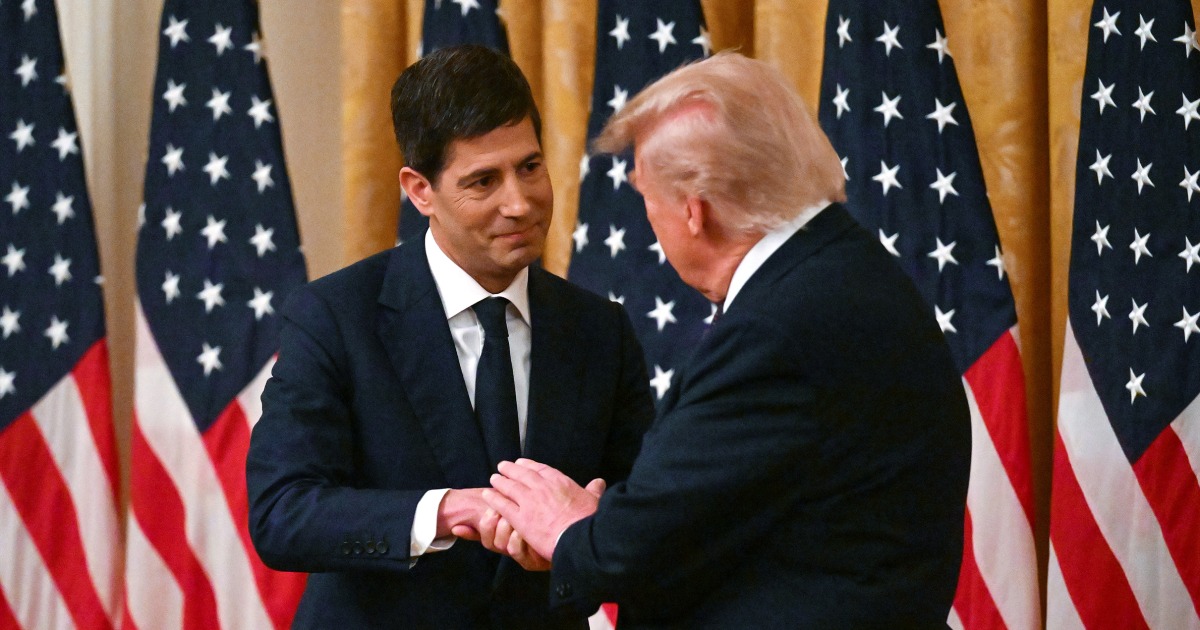
Kevin Warsh was sworn in as the 17th chair of the Federal Reserve on May 22, 2026, following a 54-45 Senate confirmation. The ceremony, held at the White House with President Donald Trump, signals a potential shift in monetary policy as the central bank faces rising inflation and pressure to balance independence against executive objectives.
The White House Ceremony and the Quest for Independence
The optics of the swearing-in ceremony in the East Room were distinct from recent historical norms. While predecessors Janet Yellen and Jerome Powell held low-key ceremonies at the Federal Reserve headquarters, Kevin Warsh’s induction featured lengthy remarks from President Donald Trump. This setting underscored the intense focus the administration maintains on the nation’s monetary policy.
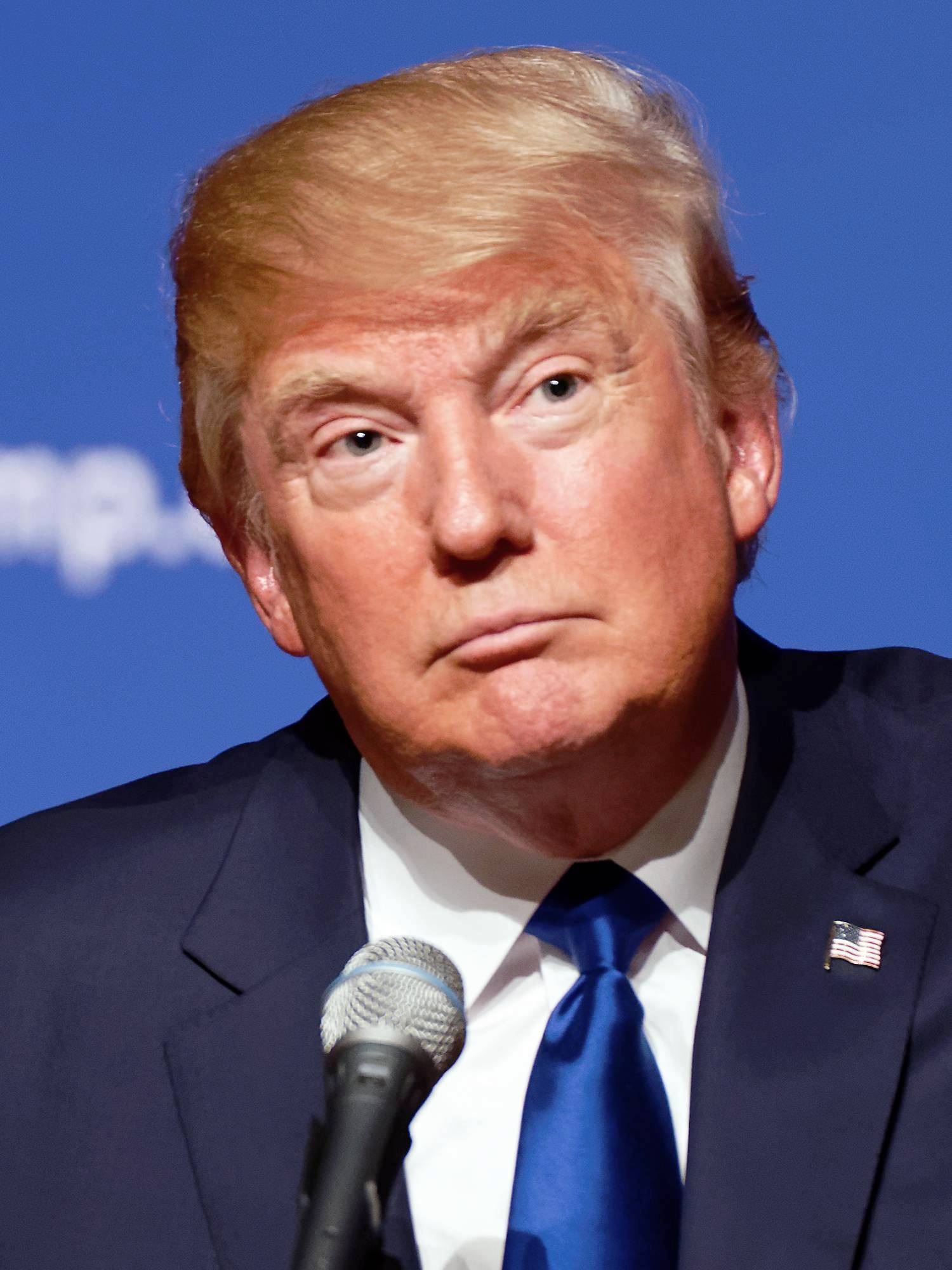
During the event, President Trump addressed the necessity of central bank autonomy, stating:
“I want Kevin to be totally independent and just do a great job.”
Donald Trump
President Donald Trump, via NBC News
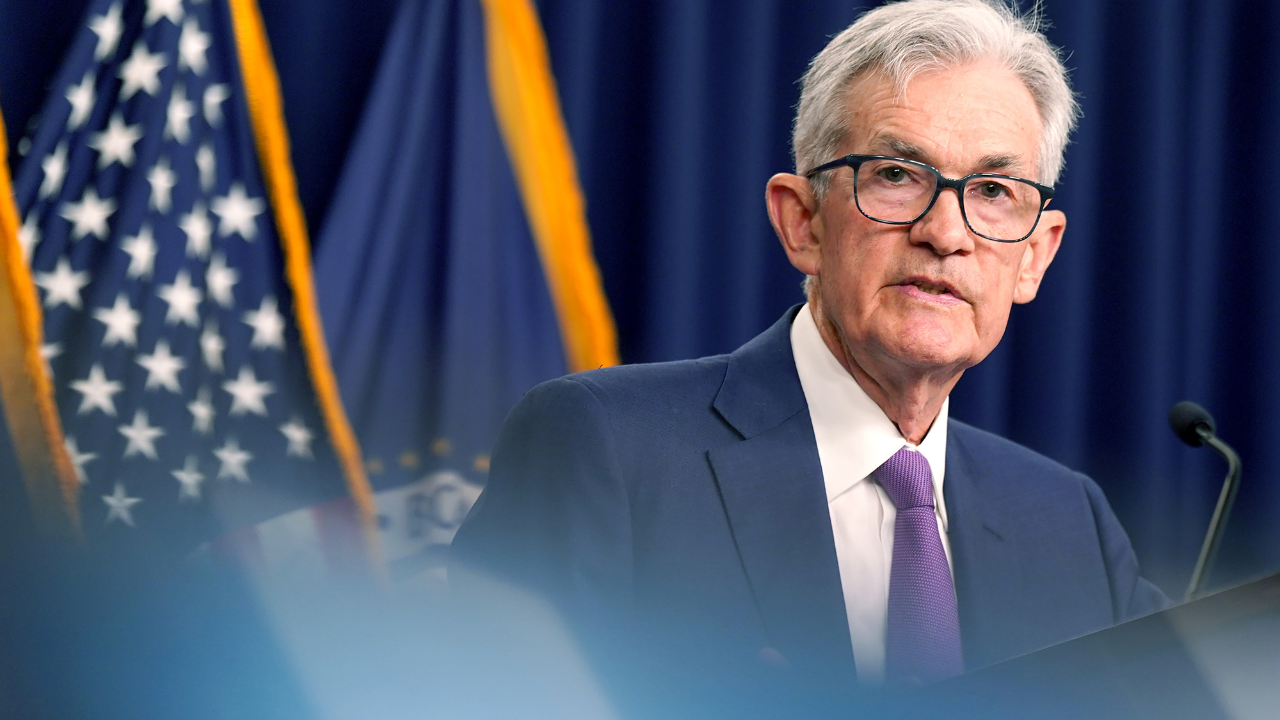
Trump further clarified his expectations for the new chair, expressing a desire for Warsh to do his “own thing.” For his part, Warsh, who previously served as a Fed governor from 2006 until 2011, emphasized his commitment to the institution, telling attendees that “the Fed has something to do with it” regarding the elevation of American living standards. He explicitly defined his agenda, noting, “I will lead a reform-oriented Federal Reserve,” as reported by NBC News.
Monetary Policy Divergence and the Inflation Conflict
The primary tension facing the new chair involves the discrepancy between the administration’s public goals and the current economic data. Throughout the tenure of the previous chair, Jerome Powell, President Trump frequently criticized the Federal Open Market Committee (FOMC) for failing to lower interest rates aggressively. The president has publicly suggested that benchmark rates should be slashed to 1% or lower, arguing that such moves would spur corporate innovation and hiring.
Perhaps more importantly, the Yahoo Finance analysis notes that lower rates would make it significantly easier for the U.S. government to service its $39 trillion in national debt. However, current economic conditions have complicated this path. With inflation rising and labor market pressures mounting, a consensus is forming among economists that immediate rate cuts are not advisable.
The shift in tone is already evident within the board. Fed governor Christopher Waller, a Trump appointee, recently signaled a hawkish turn, stating:
“I can no longer rule out rate hikes further down the road if inflation does not abate soon.”
cluster (priority): NBC News
Christopher Waller, Fed Governor, via NBC News
Waller further suggested that future FOMC statements should “make it clear that a rate cut is no more likely in the future than a rate increase.” This stance directly challenges the administration’s long-standing push for monetary easing.
The Risk of a ‘Shadow Chair’ and Economic Growth
Kevin Warsh sworn in as new Fed chair: Full ceremony
Beyond the immediate policy conflict, there is concern regarding the internal dynamics of the Board of Governors. Former Chair Jerome Powell has opted to remain on the Board rather than resigning, a departure from the modern custom where departing chairs exit the institution entirely.
According to Fox News, this presence creates a potential “Shadow Chair” scenario. Observers fear that Powell could retain enough support among his allies on the board to resist Warsh’s initiatives or force through rate hikes that the administration opposes. Such a dynamic could lead to institutional gridlock at a time when the economy is navigating supply-side shocks.
The danger, according to analysts, is that the Fed might respond to supply-side constraints—such as energy price volatility—with contractionary monetary policy. By raising rates in response to shocks that the central bank cannot mitigate, the Fed risks harming interest-sensitive sectors like housing and manufacturing. As noted in the analysis, when energy prices rise, they act as a tax on household budgets; adding a credit shock via higher interest rates could exacerbate the slowdown rather than contain inflation.
Stakes for Wall Street and Future Outlook
cluster (priority): news.google.com
The coming months will test the limits of the Federal Reserve’s independence. While the market has seen indices like the Dow Jones Industrial Average, S&P 500, and Nasdaq Composite rally to all-time highs over the past year, the collision course between the executive branch’s growth expectations and the Fed’s inflation-targeting mandate may jeopardize this stability.
The FOMC’s recent history shows the difficulty of this balancing act. The committee reduced the federal funds target rate six times between September 2024 and December 2025. Currently, the target rate sits between 3.5% and 3.75%. Any move away from this range will likely serve as the first major test for Warsh.
With the Supreme Court currently considering a case regarding the president’s authority to remove members of the Fed board, the legal and political environment remains highly volatile. For investors, the concern is that if the Fed and the White House remain in a cycle of public feuding—similar to the clashes witnessed in 2025—the resulting uncertainty could prompt a significant correction in asset prices. The next 30 days will likely involve intense scrutiny of every public statement from the Board of Governors to determine if a new, reform-oriented policy path is truly taking shape or if the institution is headed toward a period of internal paralysis.