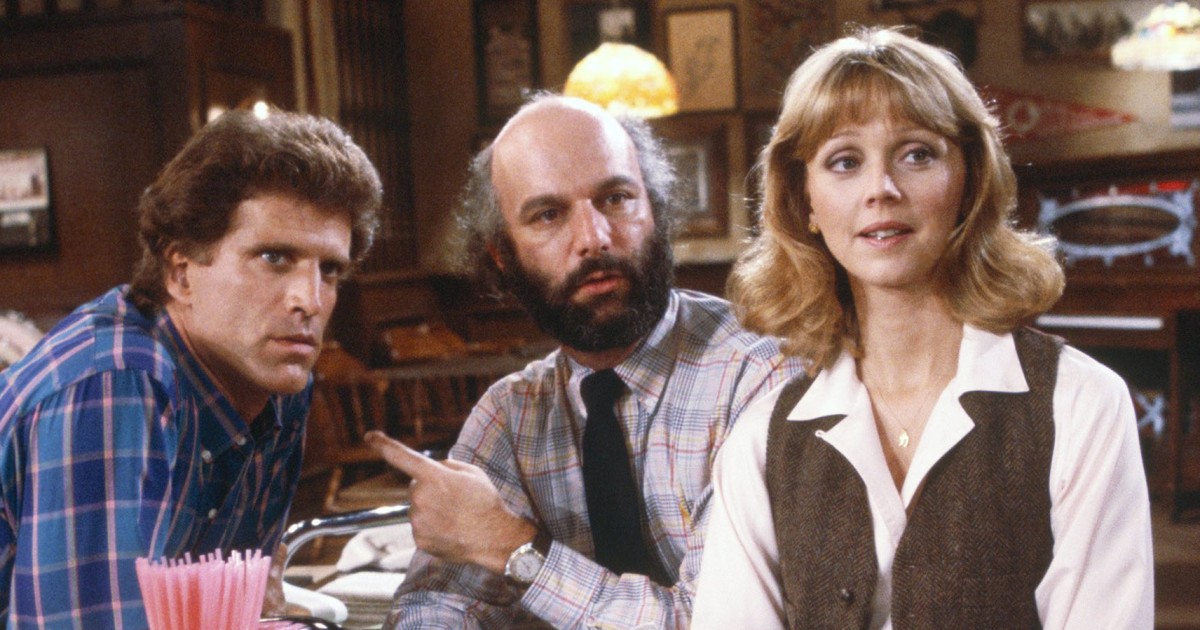
James Burrows, the legendary director who co-created “Cheers” and defined the multi-camera sitcom for over five decades, died Friday at age 85. A master of comedic timing and ensemble dynamics, Burrows directed more than 50 pilots and helped shape television staples including “Friends,” “Taxi,” and “Will & Grace” before his passing.
A Career Built on the Power of the Word
Known for his ability to bridge the gap between writers and actors, James Burrows prioritized the script above all else. His philosophy, rooted in his upbringing as the son of Pulitzer Prize-winning playwright Abe Burrows, remained consistent throughout his tenure in Hollywood. As Burrows explained in a 1995 interview with the Los Angeles Times, he believed that the strength of a show relied on the dialogue rather than technical flourishes.
“You can’t really learn how to make something funny, but you can learn to move the cameras.”
Burrows’ professional journey began in the 1970s, working on “The Mary Tyler Moore Show” in 1974 and “The Bob Newhart Show” in 1975. According to NBC News, his work on these programs solidified his reputation within the quality-oriented production company MTM. By 1982, he co-created “Cheers,” a series that would go on to win 28 Emmy awards and produce the second most-watched series finale in television history.
The success of “Cheers” was not immediate. When the show premiered on NBC in September 1982, it struggled significantly in the Nielsen ratings, finishing near the bottom of the rankings for its inaugural season. However, the network’s decision to keep the show on the air—driven in part by the confidence in Burrows’ vision and the critical acclaim the series received—allowed it to find its audience. It eventually became a cornerstone of NBC’s “Must See TV” lineup, a branding strategy that dominated Thursday night television for years.
The Architectural Influence of a Sitcom Titan
Beyond his individual projects, Burrows’ impact on the aesthetic of television is widely considered foundational. The Hollywood Reporter notes that while television history often focuses on writers and producers, Burrows stood alongside figures like Norman Lear and Lorne Michaels in his ability to dictate the rhythm and tone of the medium. His career output is staggering by any metric: he directed 237 episodes of “Cheers,” 75 episodes of “Taxi,” and every episode of “Will & Grace” during its original 1998–2006 run.
Photo: Los Angeles Times
In the multi-camera format, the director functions as the primary architect of the stage environment. Burrows was renowned for his specific blocking techniques—the deliberate arrangement of actors within the set to ensure that punchlines landed with maximum efficiency. By prioritizing the “fourth wall” of the stage and ensuring that the actors’ physical movements supported the cadence of the dialogue, he created a visual language that defined the sitcom genre for generations of viewers.
His influence extended to the very culture of the sets he managed. Colleagues often described him as a mentor who fostered deep camaraderie among casts. He famously took the stars of “Friends” on a trip to Las Vegas before helming 15 episodes of that series, and he frequently hosted gatherings for the cast of “Mike & Molly” to ensure the chemistry translated to the screen. This focus on ensemble harmony was a hallmark of his process, as he believed that the trust built off-camera was directly responsible for the spark seen on-camera.
Cultural Impact and the Legacy of Will & Grace
Perhaps Burrows’ most significant social impact came through his direction of “Will & Grace.” By bringing gay characters into starring roles, the show shifted public perception during a pivotal era in American television history. Former Vice President Joe Biden famously cited the series’ cultural contribution during a 2012 appearance on “Meet the Press.”
James Burrows, prolific TV director and 'Cheers' co-creator, dies at 85
“I think ‘Will & Grace’ did more to educate the American public more than almost anything anybody has done so far. People fear that which is different. Now they’re beginning to understand.”
Photo: The Hollywood Reporter
The National Comedy Center, through executive director Journey Gunderson, stated that Burrows’ legacy is “woven into the history of comedy,” highlighting his rare ability to make every colleague feel valued. Eric McCormack, who starred in “Will & Grace,” expressed the industry’s collective loss on Instagram, calling the director a “giant” and a “mentor.”
This cultural influence was recognized by the Television Academy, which honored Burrows with multiple Emmy Awards throughout his career. His work on “Cheers,” “Taxi,” and “Will & Grace” earned him a place among the most decorated directors in the history of the medium, cementing his status as a pillar of the industry who bridged the gap between traditional broadcast comedy and the modern era of television.
The Final Chapters of a Formidable Career
Burrows remained active in the industry long after his initial sitcom successes. In 2016, NBC aired a primetime tribute, “Must See TV: An All-Star Tribute to James Burrows,” to honor his 1,000th episode as a television director. The special featured cast members from his various shows, including reunions of the actors from “Cheers,” “Friends,” and “Will & Grace,” illustrating the vast network of talent he had cultivated over his decades-long career.
Even in his later years, he continued to take on projects, including all 10 episodes of the Hulu series “Mid-Century Modern,” which serves as his final helming credit. His continued involvement in new productions demonstrated his enduring commitment to the craft of comedy, even as the landscape of television shifted from broadcast dominance to the streaming era.
He passed away peacefully on Friday, surrounded by his family. His attorney confirmed the news to the press, and his family released a statement emphasizing that Burrows’ career was defined by more than just his professional accolades.
“Burrows will be remembered for something even greater: his kindness, generosity, and unwavering belief in the people around him. He possessed a rare ability to make everyone better and was known for remembering every person he met by name, making colleagues at every level feel seen, valued, and appreciated.”
Jasmine Brooks curates coverage of film, music, and digital culture. She began her career as an arts columnist for The Evening Tribune and has since interviewed creatives across Hollywood, Seoul, and London. Her focus blends culture, diversity, and storytelling excellence.