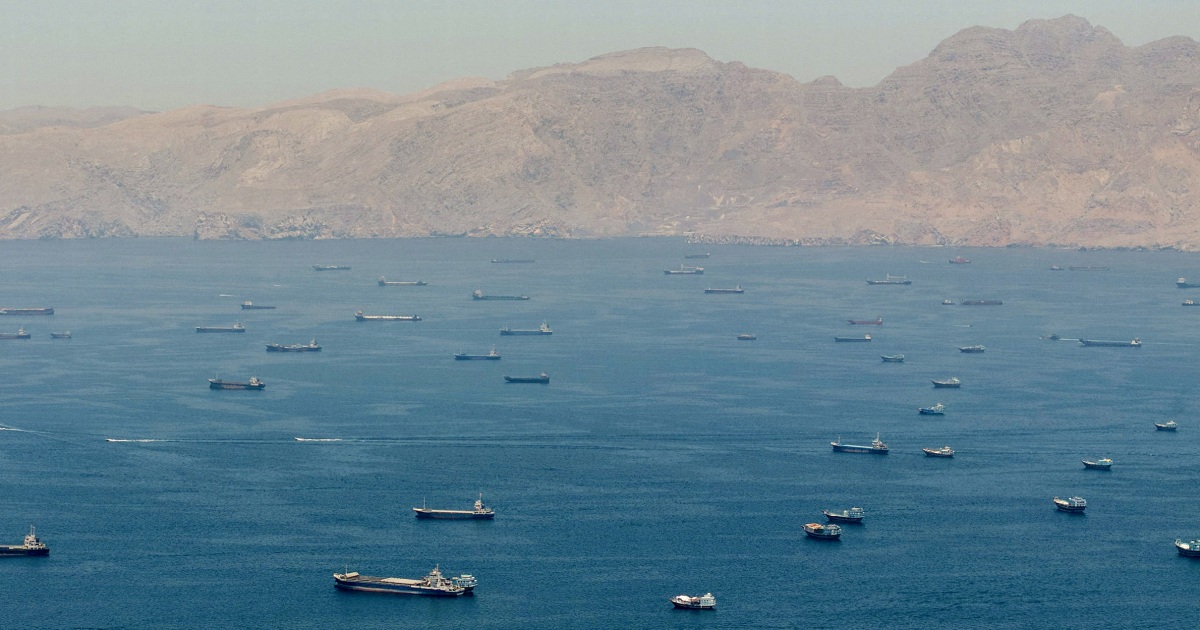
The U.S. military conducted limited strikes on Iran’s southern region on May 28, 2026, targeting a ground control station in Bandar Abbas and downing four Iranian drones, according to a U.S. official. The operation, described as defensive, aimed to counter threats to U.S. forces and commercial shipping near the Strait of Hormuz, a critical oil transit route. The move escalated tensions in an already fragile ceasefire, with Iran condemning the action as a “grave violation” and vowing a response. Oil prices surged as markets braced for potential disruptions, while President Donald Trump reiterated his stance on maintaining open access to the strait.
Strikes Target Drones, Control Station in Bandar Abbas
The U.S. military struck a ground control station in Bandar Abbas, a port city in southern Iran, after assessing it as a threat to U.S. forces and commercial shipping. A fifth drone was reportedly about to launch from the site, prompting the strikes, according to a U.S. official. The operation involved shooting down four Iranian one-way attack drones, which the official attributed to Iran’s Islamic Revolutionary Guard Corps (IRGC). The attacks were described as “very limited” and “very precise,” with the U.S. emphasizing their defensive nature to avoid escalating conflict. “These actions were measured, purely defensive, and intended to maintain the ceasefire,” the official stated, per CBS News.
Iranian state TV reported explosions near Bandar Abbas early Wednesday, triggering air defenses in the city. However, the exact cause and location of the blasts remained under investigation. The strikes followed a series of missile, drone, and small boat launches by the IRGC, which the U.S. official said prompted the response. The U.S. Central Command had previously conducted “self-defense strikes” on southern Iran, targeting missile launch sites and alleged mine-laying vessels, according to Capt. Tim Hawkins, a CENTCOM spokesperson.
Iran Condemns Strikes as Ceasefire Violations
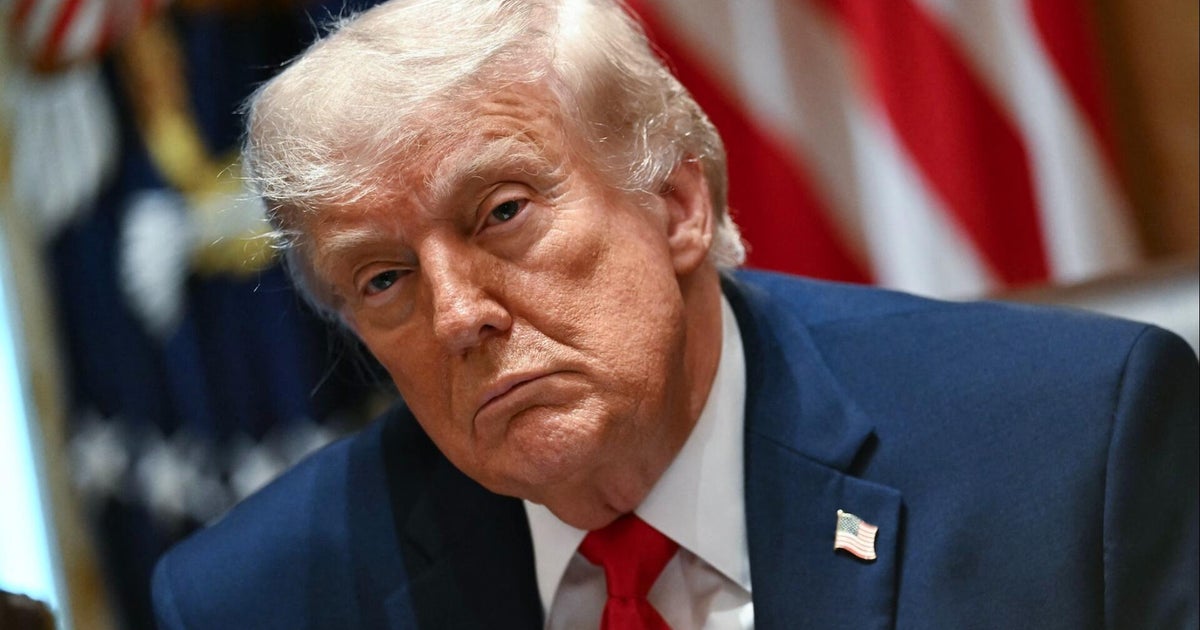
Iran’s Foreign Affairs Ministry accused the U.S. of violating the ceasefire in the Hormuz region, calling the attacks a “grave violation” and vowing to “not leave any act of hostility unanswered.” The IRGC reiterated its commitment to “respond decisively to any violation of the ceasefire,” signaling potential escalation. The U.S. official confirmed the ceasefire remained in place, but the strikes underscored the tenuous nature of the agreement. “The strait is going to be open to everybody,” President Trump declared at a Cabinet meeting, echoing his broader stance on the waterway’s sovereignty.
For more on this story, see U.S. Military Strikes Iranian Missile Sites Amid Rising Strait of Hormuz Tension.
Trump’s remarks highlighted his administration’s push for a long-term deal with Iran, which he described as “largely negotiated” but “not satisfied” with the current terms. The president hinted at the possibility of resuming large-scale bombing campaigns if Iran did not agree to his conditions. “Maybe we have to go back and finish it, maybe we don’t,” he said, suggesting uncertainty about the path forward. A senior Trump administration official revealed that Iran had agreed in principle to a two-step agreement: first, opening the Strait of Hormuz in exchange for lifting the U.S. blockade on Iranian ports, followed by negotiations on Iran’s nuclear program.
Oil Prices Surge Amid Geopolitical Fears
The strikes triggered immediate market reactions, with Brent crude futures rising 1.81% to $96 per barrel and West Texas Intermediate (WTI) futures climbing 1.86% to $90.33 per barrel, according to CNBC. Analysts at Citi noted that oil markets were “finding firmer footing” as investors priced out worst-case scenarios, but uncertainty over a potential U.S.-Iran deal kept central banks on alert. The bank warned that prolonged price increases could fuel “second round effects” on inflation, prompting some policymakers to adopt a hawkish stance on monetary policy.

The Strait of Hormuz, through which 20% of global oil passes, has been a flashpoint since the war began. The U.S. strike raised fears of renewed disruptions, particularly as Iran’s IRGC has repeatedly threatened to block the waterway. “The strait is going to be open to everybody,” Trump asserted, a statement that contrasted with Iran’s insistence on controlling the region. The economic implications of any prolonged conflict remain significant, with energy prices and global trade at risk.
This follows our earlier report, U.S. LUCAS Drones Get AI Swarm Boost for $35K Kamikaze Strikes.
Diplomatic Efforts Amid Escalating Tensions
Despite the strikes, U.S. officials emphasized that the ceasefire remained intact, albeit under strain. The two-step deal under discussion would require Iran to dispose of its stockpile of highly enriched uranium, though the method of disposal—whether in the U.S. or Iran—remains unclear. Trump’s administration has framed the agreement as a path to de-escalation, but the recent attacks suggest that trust between the sides is fragile. “These actions were measured… to maintain the ceasefire,” the U.S. official reiterated, a sentiment echoed by Reuters, which first reported the strikes.
Analysts note that the U.S. and Iran are navigating a precarious balance between confrontation and diplomacy. While the strikes were limited, they highlight the volatility of the region and the challenges of sustaining a ceasefire. “The prolonged run-up in crude prices is beginning to spill into broader inflation pressures,” Citi warned, underscoring the interconnected risks of geopolitical conflict and economic stability. As both sides continue negotiations, the next 30 days will be critical in determining whether the ceasefire holds or collapses into renewed conflict.
U.S. military carries out limited attacks in southern Iran, U.S.
