A new species of deadly box jellyfish, Chironex blakangmati, was identified in Singapore’s waters on May 18, 2026, according to researchers from Tohoku University and the National University of Singapore.
Discovery and Scientific Identification
Researchers at Tohoku University and the National University of Singapore confirmed the existence of a new Chironex box jellyfish species, *Chironex blakangmati*, in coastal waters off Sentosa Island. The discovery was published in *Oceanographic Magazine* and corroborated by reports from *Phys.org* and *IFL Science*. The species was distinguished through anatomical analysis, revealing key differences from previously known Chironex variants, including *Chironex yamaguchii*, which was first documented in Okinawan waters.
The name *blakangmati* derives from the historical Malay name for Sentosa Island, *Pulau Blakang Mati*, meaning “Island of Death Behind.” This moniker reflects the island’s reputation for dangerous marine life, according to the research team. The find adds a fourth member to the Chironex genus, which includes some of the ocean’s most venomous jellyfish capable of killing humans within minutes.
Research Context and Methodology
The discovery emerged from a collaboration between Tohoku University’s marine biology department and Singapore’s National University. Lead researcher Cheryl Ames, a Tohoku University scientist, noted that *C. blakangmati* initially appeared identical to *C. yamaguchii* but was later confirmed as distinct through comparative analysis of stored samples. “We realized they were completely different,” Ames stated in *Oceanographic Magazine*, emphasizing the importance of re-examining historical data to resolve taxonomic ambiguities.
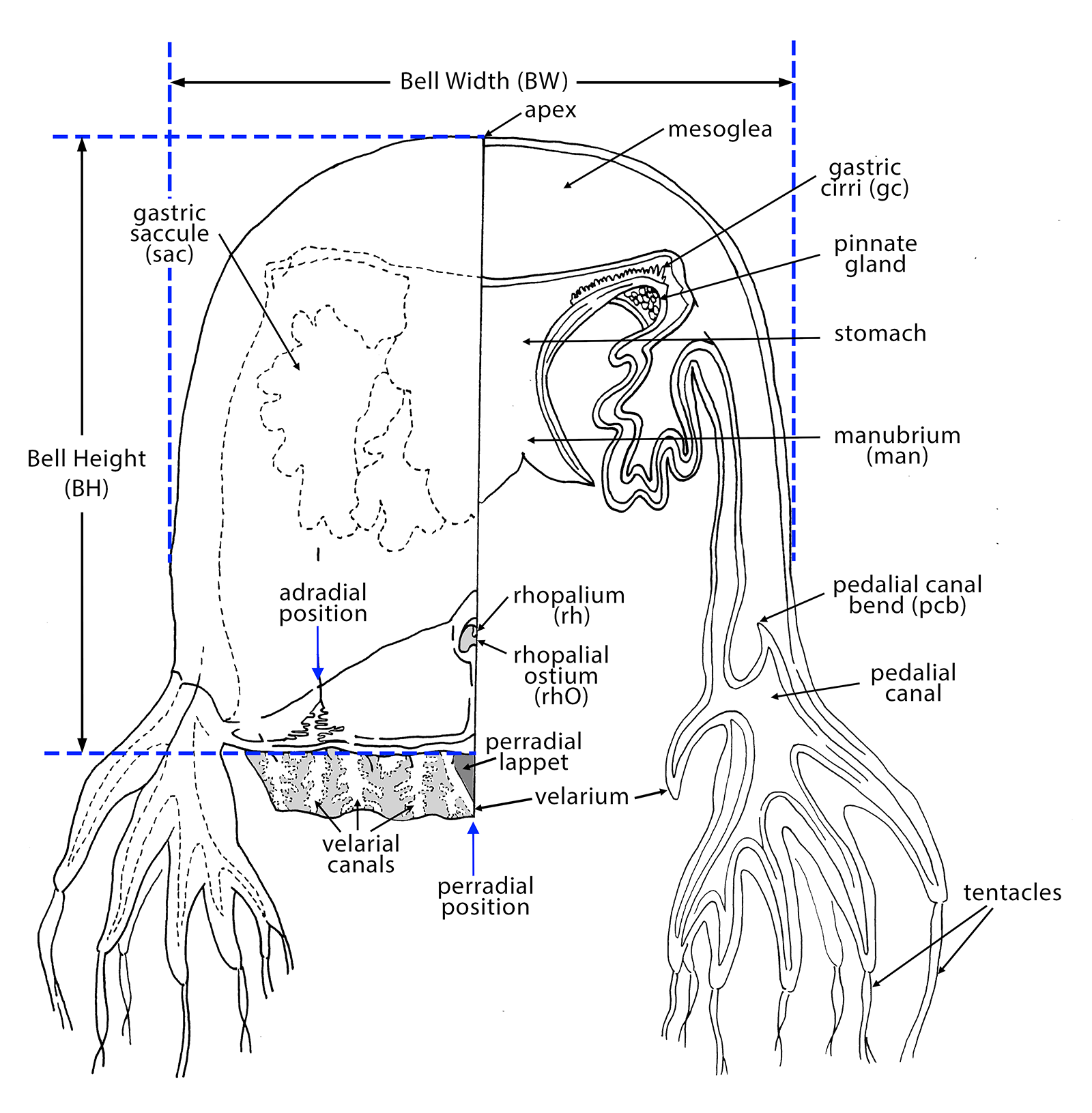
Morphological studies highlighted variations in the jellyfish’s oral arms and medusa structure, distinguishing *C. blakangmati* from its relatives. The research team also documented a surprising range expansion of *Chironex yamaguchii* into Singaporean waters, suggesting potential ecological shifts linked to climate or oceanographic changes. The methodology involved meticulous cross-referencing of specimen characteristics, which allowed the team to isolate the unique traits of *C. blakangmati* that had previously been overlooked or incorrectly categorized as variations of established species.
Implications for Marine Biology and Public Safety
The identification of *C. blakangmati* underscores the complexity of marine biodiversity in tropical regions, where species diversity often outpaces documentation. Scientists warn that the presence of additional Chironex species in Singaporean waters may necessitate updated safety protocols for swimmers and coastal communities. Stings from these “sea-wasps” are described as intensely painful and potentially fatal, though no incidents involving *C. blakangmati* have been reported to date.
Dr. Rob Hutchins, a marine biologist at *Oceanographic Magazine*, emphasized the need for further study. “This discovery highlights how much we still don’t know about marine ecosystems,” he said. “Understanding these species’ behaviors and habitats is critical for both scientific research and public health initiatives.” The inclusion of *C. blakangmati* in the taxonomic record serves as a functional tool for local authorities to refine their understanding of the specific risks posed by box jellyfish in the region. By defining the morphological markers, researchers have provided lifeguards and public health officials with a clearer framework for identifying the specific threats within local coastal environments.
Future Research and Conservation
The research team plans to conduct genetic analyses to clarify the evolutionary relationships within the Chironex genus. They also aim to monitor the distribution of *C. blakangmati* and its ecological interactions. Singapore’s National Parks Board has announced a review of marine safety guidelines, though no immediate restrictions on water activities have been implemented.

As global warming alters ocean temperatures and currents, the expansion of venomous species into new regions remains a concern. The discovery of *C. blakangmati* serves as a reminder of the dynamic nature of marine ecosystems and the importance of ongoing surveillance. “This is just the beginning,” said Ames. “There may be more species waiting to be uncovered.”
Future efforts will focus on expanding the scope of the current dataset, incorporating wider environmental sampling to determine if *C. blakangmati* is localized exclusively to the waters surrounding Sentosa or if its range extends further into neighboring maritime zones. The research team intends to publish subsequent findings regarding the reproductive cycles and seasonal prevalence of the jellyfish to assist in broader ecological monitoring efforts. By establishing a baseline for the presence of *C. blakangmati*, the team hopes to provide a foundation for long-term biodiversity tracking, ensuring that Singapore’s marine management strategies remain informed by the most current taxonomic data available. The collaboration between Tohoku University and the National University of Singapore is expected to continue, with a focus on integrating genomic sequencing to further delineate the boundaries of the Chironex genus.
