
New York’s Democratic primaries delivered a mixed bag of surprises and familiar outcomes on Tuesday, with high-stakes contests in the city’s congressional delegation reshaping the balance of power ahead of the 2026 midterms. Turnout lagged behind the record-setting 2025 mayoral primary, but key races—including a tight battle to succeed retiring Rep. Jerry Nadler and a challenge to incumbent Dan Goldman—revealed shifting priorities in a state where progressive and establishment factions remain locked in a struggle for control.
How New York’s Low Turnout Contrasts With 2025’s Historic Mayor’s Race
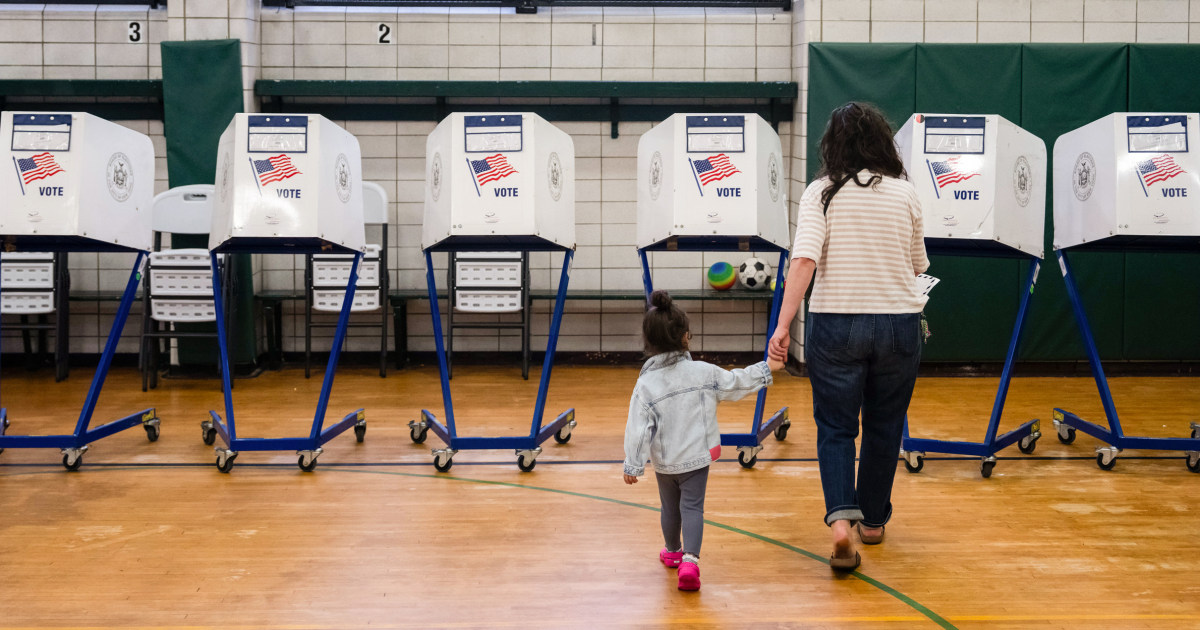
With just over 420,000 voters casting ballots across New York City’s primaries—including 172,743 during early voting—turnout fell far short of the 1 million who participated in the 2025 mayoral primary. While the city’s Board of Elections reported 250,000 votes on Election Day itself, the numbers underscore a broader trend: when high-profile races like mayoral elections dominate the ballot, mid-tier primaries struggle to mobilize the same energy. The contrast is stark when compared to the 2025 contest, where Mayor Zohran Mamdani’s endorsement of three progressive candidates—including two running against incumbents—drew national attention. This year, the absence of a citywide race may have dulled voter enthusiasm, though the stakes in congressional seats remain high.
According to amNewYork, the low turnout could also reflect voter fatigue after a year of contentious primaries, including the mayoral race and a crowded field of House contests. “The energy just isn’t there like it was in 2025,” said a local election official, noting that many voters who participated in early voting had already made up their minds months ago.
Who Won—and Who’s Still Too Close to Call in NYC’s Key Races
In Manhattan’s hotly contested 12th District, where seven candidates vied to replace retiring Rep. Jerry Nadler, no clear frontrunner emerged by Tuesday evening. Micah Lasher and Alex Bores led the pack with 39.5% and 34.5% of the vote, respectively, but neither secured a majority in the early count. The race now hinges on whether Lasher’s progressive platform or Bores’ establishment backing will resonate with the remaining undecided voters. Meanwhile, in the 10th District, Brad Lander pulled off a stunning upset against incumbent Dan Goldman, winning 64.3% of the vote to Goldman’s 35.5%. Lander’s victory—backed by Mayor Mamdani—marks a significant shift in the district’s political dynamics, where progressive energy has been building for years.
- 12th District (Manhattan): Lasher (39.5%), Bores (34.5%) – race too close to call
- 10th District (Brooklyn/Manhattan): Brad Lander (64.3%) defeats Dan Goldman (35.5%)
- 7th District (Brooklyn/Queens): Claire Valdez (56.7%) wins over Antonio Reynoso (34.4%)
- 6th District (Queens): Grace Meng (74.5%) cruises to re-election
The 7th District race, vacated by retiring Rep. Nydia Velázquez, saw Claire Valdez emerge victorious with 56.7% of the vote, defeating Brooklyn Borough President Antonio Reynoso. Valdez’s win solidifies a progressive takeover in a district that has long been a battleground between establishment Democrats and left-leaning challengers. In Queens’ 6th District, incumbent Grace Meng secured an overwhelming 74.5% of the vote, ensuring her continued dominance in a safely blue district.
Maryland’s Ferguson Eyes Redistricting Amid National Chaos—and a Rainy Election Day
While New York’s primaries played out in the rain, Maryland’s Senate President Bill Ferguson used the day to highlight his state’s response to what he called “the chaos unleashed by the Trump administration and the Supreme Court.” Ferguson, who is running for re-election, framed his focus on redistricting as a defensive measure against federal overreach. “It’s just about the constitutional amendment; it is not a map itself,” he told NBC News, emphasizing that Marylanders should have a say in how their districts are drawn—especially after the Supreme Court’s April ruling on the Voting Rights Act.

“These are really frustrating and hard times for all Americans, but especially for Baltimoreans, because we know our city has been under attack by the Trump administration.”
Ferguson’s strategy—pushing for a constitutional amendment rather than immediately redrawing maps—reflects a cautious approach. He compared political maneuvering to firefighting: “Firefighters don’t fight fire with fire. They fight it with water, and they put the fire out.” His message resonated with voters in a state where redistricting battles have historically been contentious. With polls closing, Ferguson urged Marylanders to turn out despite the weather, framing the election as a chance to “exercise that voice for democracy.”
What the Results Mean for New York’s Congressional Delegation—and the 2026 Midterms
The primary results in New York paint a picture of a Democratic Party still grappling with internal divisions. Progressive candidates backed by Mayor Mamdani—like Brad Lander and Claire Valdez—won key races, signaling a potential shift in the party’s direction. However, the tight finish in the 12th District suggests that Nadler’s successor may not be a foregone conclusion, leaving room for further maneuvering. For now, the delegation remains closely divided, with establishment figures like Adriano Espaillat (who held off a challenge in the 13th District) still holding sway in some districts.
Looking ahead, the 2026 midterms could see New York’s congressional delegation become even more polarized. If progressive candidates like Lander and Valdez hold their ground, they may push the party further left on issues like housing, healthcare, and climate policy. Meanwhile, the establishment’s hold in districts like the 13th—where Espaillat won by a narrow margin—could temper some of that momentum. The outcome in the 12th District will be particularly telling: if Lasher or Bores wins, it could signal whether the party’s future lies with progressive firebrands or centrist pragmatists.
Why This Election Matters Beyond New York’s Borders
The primaries aren’t just about local politics—they’re a referendum on the Democratic Party’s direction in an election year where control of Congress is at stake. Maryland’s Ferguson, meanwhile, is positioning his state as a bulwark against federal interference in redistricting, a move that could set a precedent for other blue states facing similar challenges. With the Supreme Court’s recent ruling on the Voting Rights Act still fresh, Ferguson’s push for a constitutional amendment is a direct response to what he calls “the chaos” of the past year.
For voters, the message is clear: turnout matters, even in off-year elections. In New York, where the mayoral race stole the spotlight last year, this year’s lower numbers may have left some races wide open. But in Maryland, Ferguson’s emphasis on democracy—“People have fought and died for the right to vote”—serves as a reminder that every election, no matter how local, has national implications. As the dust settles on Tuesday’s results, the real story may not be who won or lost, but how these races will shape the party’s strategy heading into November.
The next 30 days will be critical. In New York, the 12th District race remains unresolved, and runoff elections could reshape the delegation. Meanwhile, Maryland’s redistricting battle is far from over—Ferguson’s constitutional amendment may be just the first step in a longer fight. One thing is certain: these primaries are more than just local contests. They’re a microcosm of the Democratic Party’s identity crisis—and the stakes couldn’t be higher.
Find more reporting in our News section.
