
Camp Mystic, the Texas summer camp where 28 people died in flash floods last July, filed for Chapter 11 bankruptcy in the Southern District of Texas on June 24, 2026. The filing follows a legislative investigation revealing the camp lacked written emergency plans and failed to evacuate campers despite severe weather warnings.
Financial Status and Bankruptcy Filing Details
Court documents reveal that Camp Mystic LLC and its affiliated entities are facing total debts exceeding $10 million. According to USA Today, the bankruptcy petition estimates the camp has between 1,000 and 5,000 creditors, with assets valued between $1 million and $10 million and liabilities ranging from $10 million to $50 million.

The case has been designated as a “complex” Chapter 11 filing, a status typically reserved for matters involving significant debt and a high volume of interested parties. In addition to the primary LLC, the bankruptcy proceedings include three affiliated organizations: Natural Fountains Properties Inc., Mystic Camps Family Partnership Ltd., and Mystic Camps Management LLC. The Houston Chronicle reports that the filing notes the camp’s physical property may currently pose a safety threat and contains perishable goods that could quickly lose value without immediate attention. Under Chapter 11 rules, the debtor-in-possession is required to manage these assets to prevent further loss of value, a task complicated by the site’s status as an active disaster investigation area.
Impact on Pending Litigation
The move into bankruptcy arrives as the camp faces multiple lawsuits from families of the victims. Twenty-five campers, two counselors, and the camp’s co-executive director, Dick Eastland, lost their lives in the early hours of July 4, 2025, when the Guadalupe River flooded near Hunt, Texas.
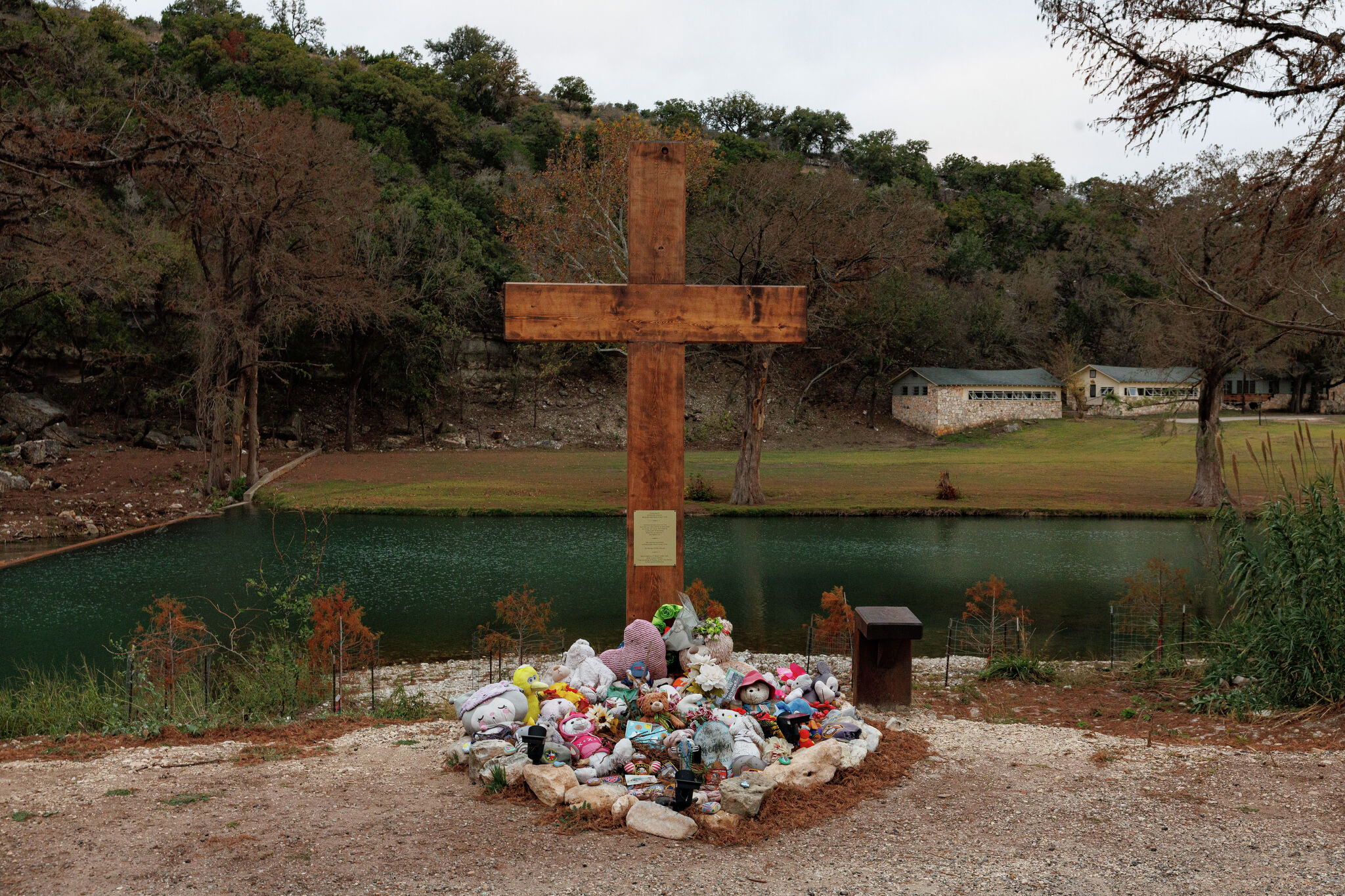
Legal experts suggest the bankruptcy filing will likely shift the trajectory of these lawsuits. Angela Littwin, a bankruptcy law professor at the University of Texas at Austin School of Law, told KUT that the automatic stay triggered by a Chapter 11 filing generally pauses litigation. She noted that the most probable resolution involves settling claims through the bankruptcy process rather than traditional court trials. By consolidating claims into a single bankruptcy court, the process often limits the total payout capacity of the debtor, which is a common feature in cases where liabilities significantly exceed available insurance coverage or liquid assets.
“The most common outcome of a bankruptcy like this is that the lawsuits would not pick up, that they would be settled in the bankruptcy.”
Angela Littwin, University of Texas at Austin School of Law
Attorneys for the families have expressed varying views on the delay. Sam Taylor, representing six of the affected families, stated the filing could stall proceedings by “weeks or months.” Meanwhile, attorney Paul Yetter, who also represents multiple families, emphasized that the bankruptcy would not deter their pursuit of accountability, stating, “These innocent girls deserve justice.”
In the context of Texas law, the bankruptcy filing also complicates the discovery process. While depositions and document requests were previously moving forward in state civil courts, these actions are now subject to the oversight of the bankruptcy judge. The court must now determine which assets are protected and how they will be distributed among competing creditors, including the families seeking wrongful death damages and commercial vendors with unpaid invoices.
Legislative Findings and Operational Status
The bankruptcy filing comes shortly after the Texas Legislature released a report detailing the camp’s failure to handle the disaster. Investigators found that camp leaders maintained a “complacent” attitude toward flooding risks, lacked written emergency evacuation plans, and failed to provide counselors with necessary emergency training.

The legislative report highlighted that the Guadalupe River, which runs through the camp property, is prone to rapid rises during heavy rain events. The investigation found that despite National Weather Service alerts issued in the hours leading up to the tragedy, there was no internal protocol activated to move campers from low-lying cabins to higher ground. The absence of a documented emergency action plan (EAP) was cited as a primary failure in the camp’s operational oversight.
The camp had initially intended to resume operations this summer but ultimately decided to remain closed in May following public pressure and difficulties securing a state license. With the business now in bankruptcy, its future remains uncertain. “If they’re not in operation, they’re probably not going to continue in operation,” Littwin observed, citing the hurdles of state regulations, insurance acquisition, and the challenge of restoring parental trust.
The regulatory environment for summer camps in Texas has faced increased scrutiny in the wake of the disaster. State agencies have signaled that licensing requirements for overnight camps may undergo significant revisions to ensure that emergency preparedness is not just recommended, but strictly enforced. For Camp Mystic, the combination of mounting legal liabilities, the loss of its operational license, and the bankruptcy proceedings effectively marks the end of the organization’s current business model. The bankruptcy court will ultimately oversee the liquidation of assets, which may include the land itself, as the entities involved attempt to satisfy the claims of the creditors and the families of those lost in the July 2025 flood.
Find more reporting in our News section.
