
President Trump abruptly canceled a scheduled signing ceremony for the 21st Century ROAD to Housing Act on Wednesday, June 24, 2026. The legislation, which passed with broad bipartisan support, will remain unsigned until Congress approves the SAVE America Act, a measure the president has labeled a national emergency.
A Stalled Legislative Milestone
The 21st Century ROAD to Housing Act was intended to be the most significant housing affordability legislation in decades. After passing the House 358-32 and securing similar support in the Senate, the bill appeared headed for enactment. However, the president halted the process, declaring on social media that he would not sign the bill until lawmakers pass the SAVE America Act, which imposes stricter requirements on voter registration and ballot casting, as reported by CBS News.

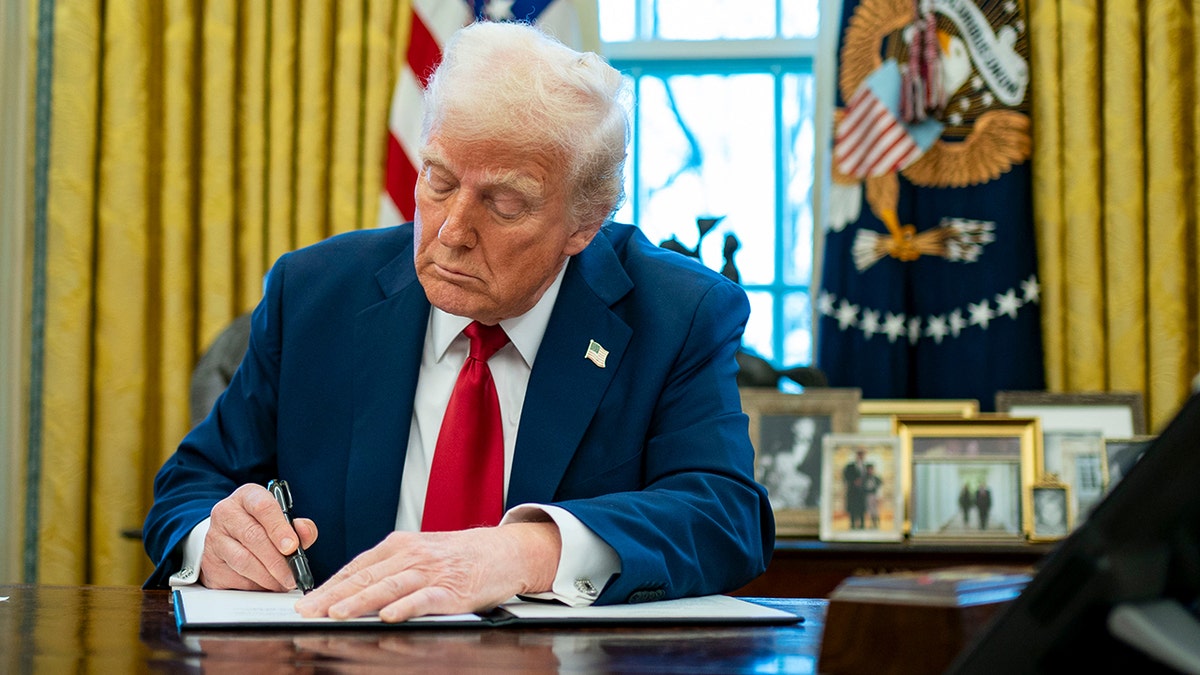
The delay creates a constitutional clock. Under current law, the president has 10 days, excluding Sundays, to sign or veto a bill presented by Congress while the legislative body is in session. If he takes no action, the bill automatically becomes law. Speaker Mike Johnson confirmed to reporters that the president intends to utilize this window, stating, “He has a window of time before he has to sign a bill, and he’s going to use a little bit more of that window of time,” as noted by CBS News.
This procedural maneuver highlights the intersection of executive power and legislative priority. By withholding his signature, the president is effectively leveraging a popular housing initiative to force action on a controversial election security bill that has previously struggled to gain traction in the upper chamber of Congress.
Economic Context and the Housing Supply Gap
The urgency behind the housing bill stems from a sustained affordability crisis. According to data from NPR, a family requires an annual income of approximately $117,000 to afford a typical home, a figure roughly $30,000 higher than the earnings of most U.S. households. This gap is exacerbated by limited inventory; Realtor.com estimates the United States faces a shortage of more than 4 million housing units.
“Supply is the key problem here,” said Jeanna Kenney, an assistant professor of economics, finance, and real estate at Villanova University, via NPR. “Anything you can do to make supply easier is going to be helpful in the long term.” The legislative intent of the ROAD to Housing Act was to address these structural supply constraints, making the current impasse a point of frustration for housing advocates who view the act as a vital correction to current market conditions.
Contested Provisions in the Housing Package
The bill contains various provisions aimed at stimulating construction and protecting prospective buyers. One of the most debated elements is a restriction on institutional investors. Under the act, entities that already own 350 or more single-family homes would be prohibited from acquiring additional properties.
Supporters, including Sen. Elizabeth Warren, D-Mass., argue this move prevents corporate landlords from outbidding families in competitive markets. Opponents, however, contend the ban may backfire. Ross Marchand, executive director of the Taxpayers Protection Alliance, warned that the restriction “chills investment, and we need more investment in housing stock, not less,” according to NPR. The debate over this provision underscores the broader ideological divide in Washington regarding the role of government in regulating real estate investment versus the need for private capital to bridge the national housing deficit.
Political Standoff and Future Outlook
The president’s refusal to sign the housing bill is explicitly tied to his demand for the SAVE America Act, a priority that has faced significant hurdles in the Senate. While the House has passed the elections bill three times, Republican leaders in the Senate have indicated they lack the necessary votes to advance it or alter chamber rules to bypass standard procedures. The standoff places GOP leadership in a difficult position: they must balance the president’s demand for election reform with the political pressure to deliver on a housing bill that passed with overwhelming, cross-party support.

When asked about the potential for a veto, the president declined to provide a direct answer, instead focusing on his own background in the real estate industry. “I said I’m not signing the housing bill, I want to see what happens with SAVE. Look, the housing bill is, I made billions of dollars with housing,” the president stated, as reported by CBS News.
Senate Majority Leader John Thune expressed hope that the impasse would eventually resolve. Referring to the housing legislation, Thune described it as a “great piece of legislation” and added, “It’s an affordability issue, and eventually I hope he’ll find his way to sign it,” according to CBS News.
As the 10-day constitutional window progresses, the political stakes continue to rise. If the president does not sign the bill, he must either formally veto it—inviting a potential override attempt by Congress—or allow it to pass into law without his signature, a move that would represent a significant concession on his stated demand for the SAVE America Act.
Find more reporting in our News section.
