Rep. Adriano Espaillat, a five-term Democratic incumbent and chair of the Congressional Hispanic Caucus, lost his primary Tuesday night to progressive challenger Darializa Avila Chevalier, a 32-year-old public defender and Democratic Socialist backed by New York Mayor Zohran Mamdani. With 88% of votes counted, Chevalier led 49.4% to Espaillat’s 45.9%, marking the sixth House incumbent loss in this cycle and a major shift in the party’s New York delegation.
Who Wins and Loses in NY-13’s Progressive Uprising
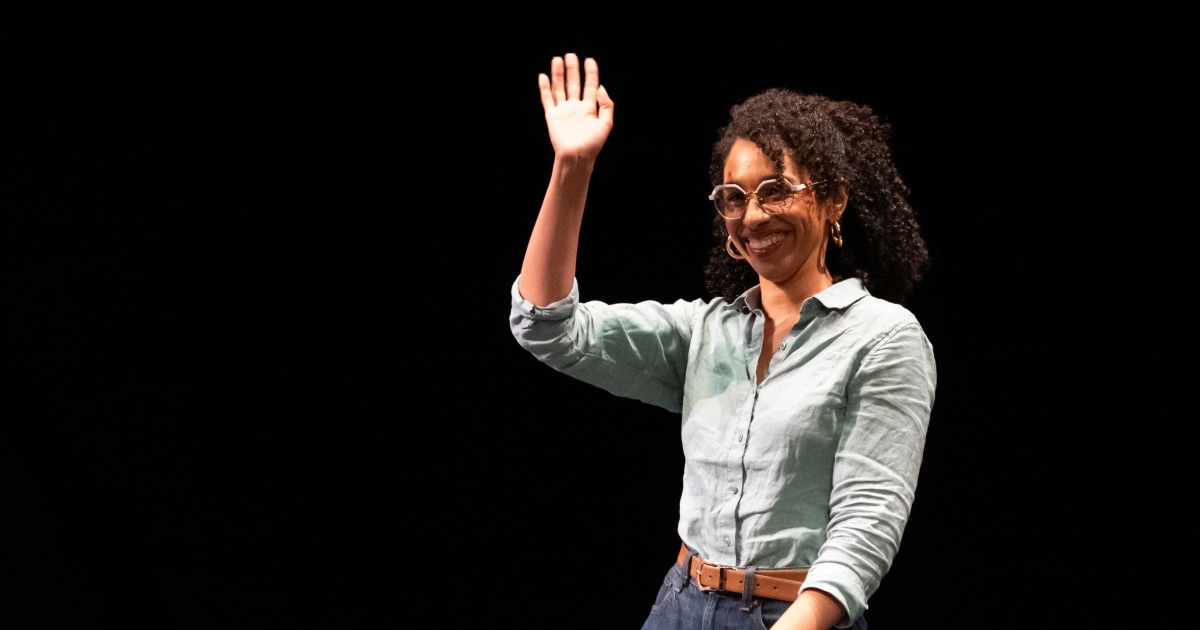
Photo: City & State New York
The victory by Avila Chevalier—who works at a public defender’s office and identifies as Afro-Dominican and Muslim—signals a broader realignment in New York’s Democratic Party, where progressive challengers backed by Mayor Mamdani have unseated two incumbents in a single night. Chevalier’s win in the 13th District, which spans Upper Manhattan and parts of the Bronx, is part of a coordinated push by Mamdani to replace establishment Democrats with candidates who prioritize housing affordability, police reform, and opposition to U.S. military aid to Israel. Her campaign framed Espaillat as out of touch with working-class constituents, citing his votes on foreign aid and his failure to address the district’s housing crisis.
According to NBC News, Chevalier’s margin of victory was razor-thin, with Espaillat conceding in a speech that acknowledged the shift: *“Tonight wasn’t our night. But I love you anyway.”* The result underscores the growing influence of the Democratic Socialists of America (DSA), which endorsed Chevalier and similar candidates across the city. For Espaillat, the loss is particularly stinging: he chairs the Congressional Hispanic Caucus and has been a vocal advocate for immigrant rights, yet his stance on Israel policy and perceived ties to corporate interests alienated progressive voters in a district where rent has surged and public services have stagnated.
Chevalier’s campaign resonated with voters frustrated by Espaillat’s record. *“Where is our congressman when ICE is kidnapping his constituents?”* she asked in a campaign video last month. *“Why should we let Adriano Espaillat vote to spend billions on bombs overseas when we’re struggling to afford rent and groceries right here in New York City?”* The contrast between the two candidates’ platforms was stark: Chevalier’s focus on local economic justice clashed with Espaillat’s national-level advocacy, including his role in securing military aid packages. The Associated Press reported that Chevalier’s victory speech celebrated *“a new dawn for this district,”* framing the primary as the start of a broader movement to replace establishment politicians with those committed to grassroots organizing.
*“I know that each of us are seeing what I’m seeing right now: a new dawn for this district. … Tonight marks the end of this campaign as we know it. But in reality, it is the beginning.”*
Chevalier’s win also reflects a strategic realignment within New York’s Democratic Party. Mayor Mamdani, who won the mayoral race last year after endorsing Chevalier despite initially promising to back Espaillat, has positioned himself as the leader of a progressive faction within the party. His endorsement of Chevalier—alongside victories for Brad Lander in the 10th District and Claire Valdez in the 7th—suggests a deliberate effort to consolidate power around a more left-leaning agenda. Espaillat’s defeat comes just weeks after Mamdani’s own primary victory over former Gov. Andrew Cuomo, further isolating establishment Democrats in the city.
The Racism and Islamophobia Behind Espaillat’s Desperate Campaign
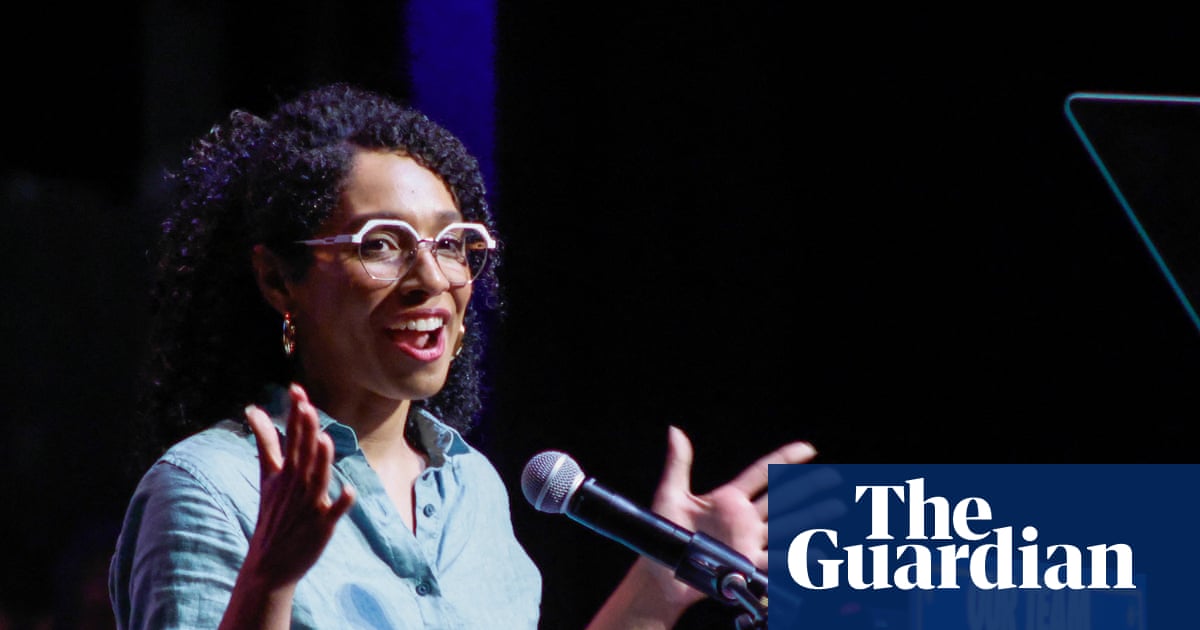
Photo: The Guardian
Espaillat’s campaign took a dark turn in its final days, with his senior adviser, Rusking Pimentel, making racist and Islamophobic remarks about Chevalier in Spanish-language media. Pimentel, who is on unpaid leave from Espaillat’s office, accused Chevalier of working with Mamdani to *“replace Dominicans in Washington Heights with Muslims and Haitians,”* according to City & State New York. He also cast doubts on her Dominican heritage, claiming she *“came from Florida”* and was *“not truly Dominican.”* These comments, which went viral on social media, were condemned by Mamdani, who called the use of *“Haitian” as a slur* unacceptable.
Chevalier responded directly to the attacks in a statement: *“In the final days of this campaign, I have been hit with attacks that use ‘Haitian’ as a slur. A coordinated wave of Islamophobia. Lies about my identity, my faith, and my family. … The smear campaign against me is not politics. That’s racism dressed up and unleashed by my opponent because he has nothing else left.”* Espaillat himself distanced from Pimentel’s remarks, telling reporters *“She’s Dominican, she’s Dominican,”* but the damage was done. The incident highlights the racial and religious tensions simmering beneath the surface of New York’s political landscape, where Dominican communities in Washington Heights have long faced discrimination from both outsiders and rival factions within the city’s Latino political establishment.
What This Means for the General Election—and the Party
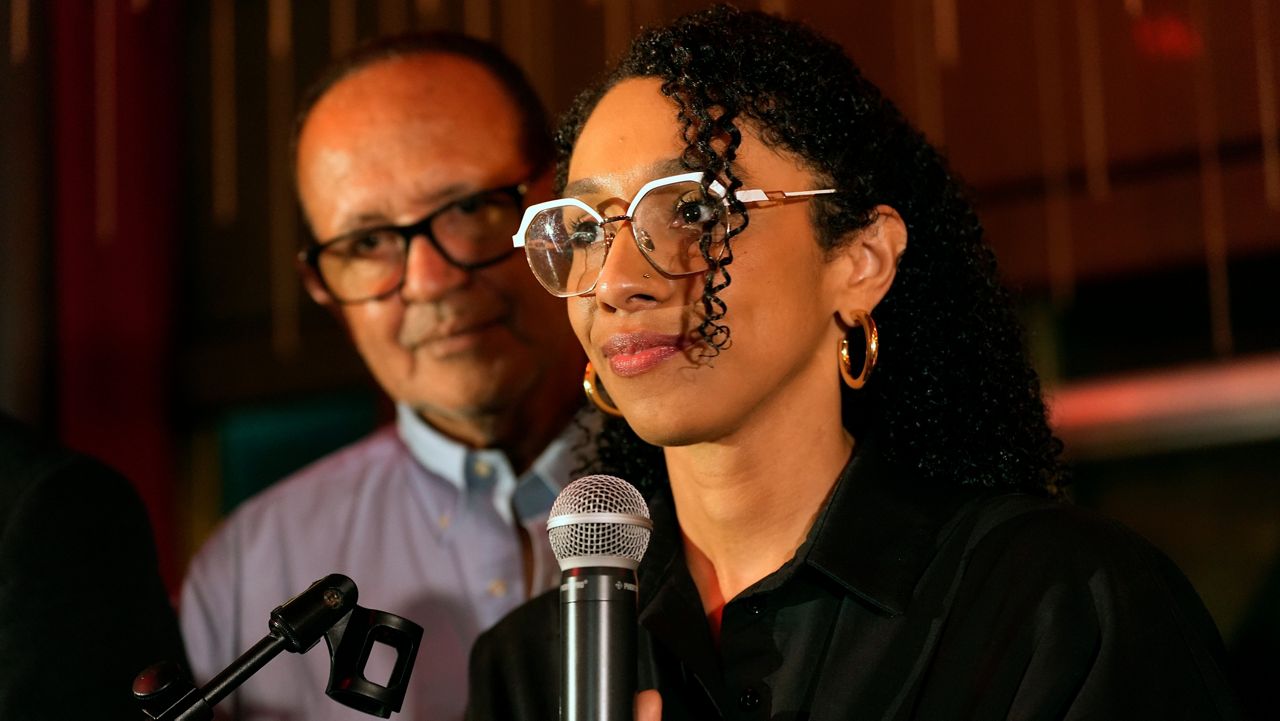
Darializa Avila Chevalier beat incumbent for NY-13 nomination
Chevalier’s path to November is far from certain. While she won the Democratic primary by a narrow margin, the 13th District is deeply blue, and Espaillat’s loss could energize Republican voters in a year when the GOP is targeting Democratic incumbents nationwide. However, the broader implications for the party are clear: establishment Democrats in New York are on the defensive. Mamdani’s endorsements have reshaped the city’s congressional delegation, and his success in the mayoral race suggests that his progressive coalition is a force to be reckoned with.
For Chevalier, the challenge ahead is balancing her progressive platform with the need to appeal to a diverse district that includes both Dominican and Black communities. Her past social media posts—including profanity-laced criticism of Democratic leaders like Joe Biden and Kamala Harris—could resurface as vulnerabilities. Yet her victory speech made clear her commitment to the district’s working-class residents: *“Every single one of us has a story about being let down by our government. About our representative, soon to be former representative, who wouldn’t pick up the phone, doing nothing about the affordability crisis.”* If she can translate that energy into votes, NY-13 could become a model for progressive challengers across the country.
The loss also raises questions about the future of the Congressional Hispanic Caucus, which Espaillat chairs. With progressive Democrats increasingly prioritizing issues like housing and police reform over traditional party loyalty, the caucus may face internal divisions. Some members, like Sen. Gustavo Rivera, have already signaled support for Chevalier, suggesting that even within the caucus, the shift toward a more left-wing agenda is gaining traction.
The Bigger Picture: A New Era for New York Democrats?
Chevalier’s victory is part of a larger trend in New York City politics, where progressive candidates backed by Mamdani have upended the status quo. In the 10th District, Brad Lander defeated incumbent Dan Goldman, while Claire Valdez is poised to win the open seat vacated by Nydia Velázquez. Together, these races suggest that Mamdani’s vision—a blend of urban progressivism and grassroots organizing—is reshaping the city’s political landscape.
The question now is whether this momentum will extend beyond New York. Progressive challengers in other states are watching closely, particularly in districts where establishment Democrats have been slow to address economic inequality. If Chevalier can win in November, it could embolden similar campaigns nationwide. But if she falters, it may signal that the progressive wave has peaked—or that the party’s internal divisions are too deep to overcome.
One thing is certain: the 13th District’s primary is more than just a local story. It’s a referendum on the future of the Democratic Party—and a warning to incumbents that the era of unchecked establishment rule may be ending.
For now, the focus turns to November. Chevalier’s campaign has already begun framing the general election as a choice between *“a politics of the past”* and *“a new dawn.”* Whether that vision resonates with voters—and whether it can survive the challenges ahead—will determine whether NY-13’s progressive uprising becomes a lasting shift or a fleeting moment in time.
Claire Donovan coordinates breaking-news coverage across global time zones. She has reported on elections, social movements, and investigative stories in over ten countries. Known for her calm leadership under pressure, Claire guarantees Globally Pulse delivers news that is fast, factual, and fair.