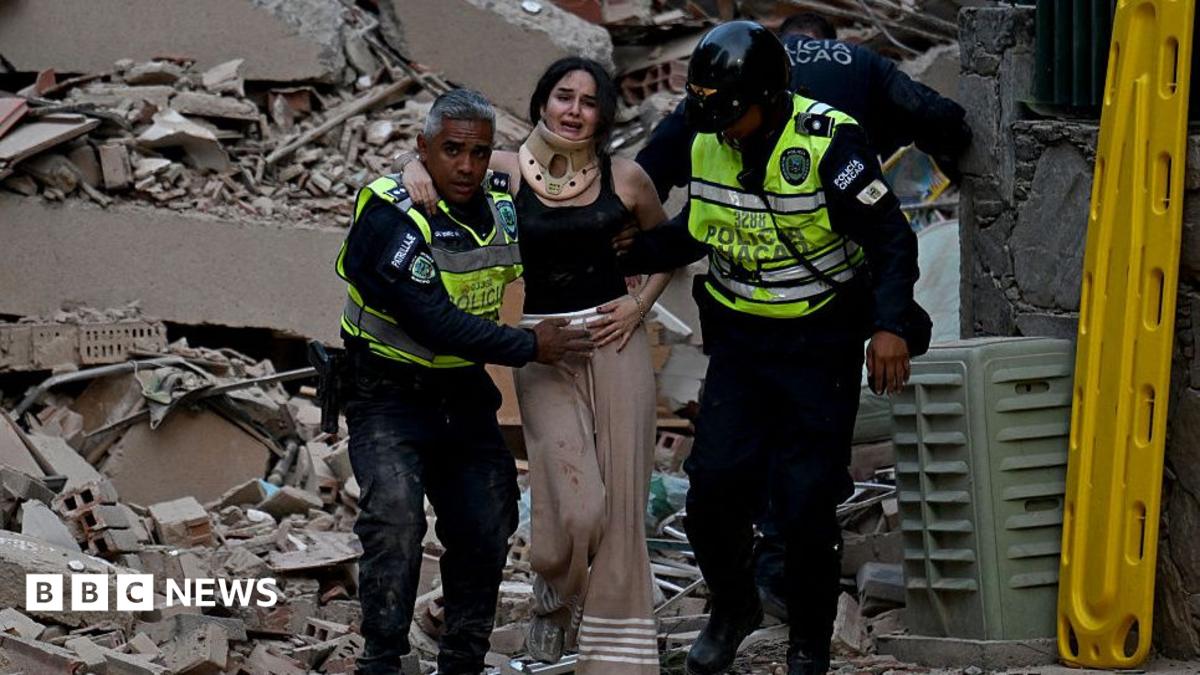
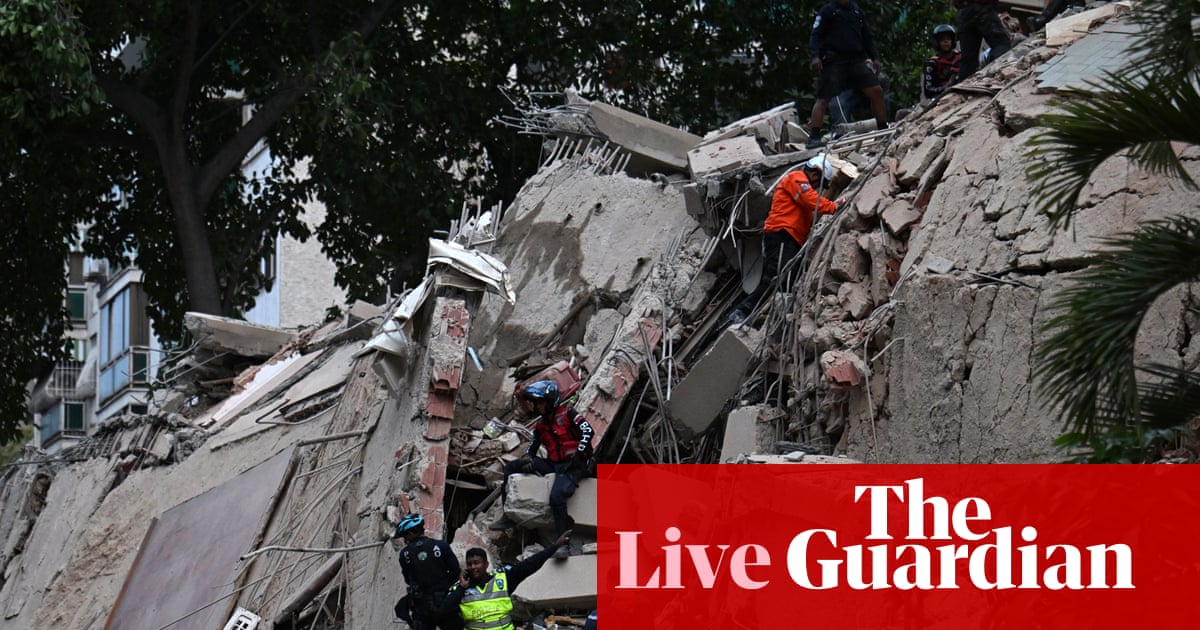
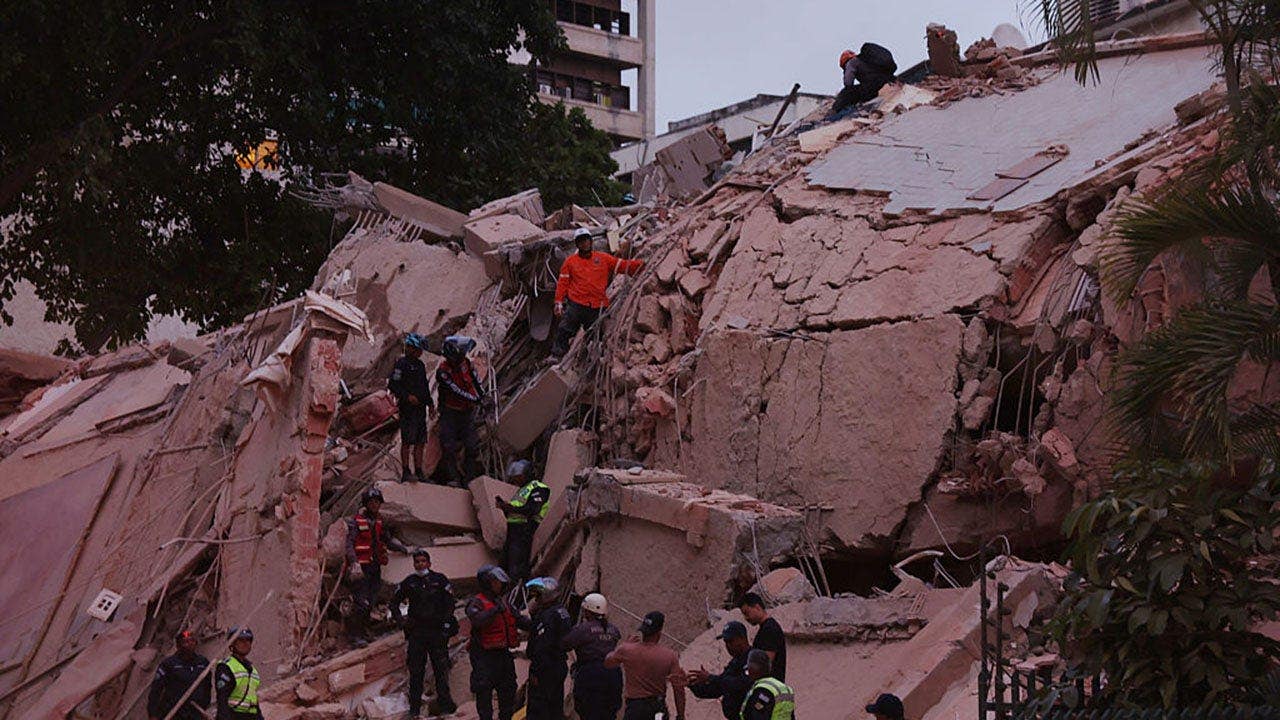
Two powerful earthquakes struck Venezuela on Wednesday, June 24, 2026, causing building collapses and widespread panic across the capital, Caracas. The seismic events, measuring 7.2 and 7.5 in magnitude, originated near the coastal city of Morón. Venezuelan authorities have declared a state of emergency as rescue efforts continue amid reports of structural damage and potential casualties.
Seismic Timeline and Epicenter Details
The U.S. Geological Survey (USGS) recorded the first tremor at magnitude 7.1, followed less than a minute later by a more powerful 7.5 magnitude earthquake. While initial reports from the BBC cited a 7.2 magnitude for the first event, the USGS data utilized by Fox News indicates a 7.1 measurement. Both seismic events were shallow, which significantly intensified the shaking felt across northern Venezuela, including the states of Miranda, La Guaira, Aragua, Carabobo, and Falcón.
Photo: The Guardian
The epicenters were located near the coastal city of Morón, approximately 104 miles west of Caracas. The tremors were strong enough to be felt as far away as Bogotá, Colombia. According to reports from the Al Jazeera live blog, these events represent one of the most significant seismic disturbances to strike the region in over a century. Shallow earthquakes—those occurring within 70 kilometers of the Earth’s surface—are historically more destructive than deep-seated quakes because the energy is released closer to the surface, causing more intense ground motion.
Structural Damage and Public Impact in Caracas
In Caracas, the impact was immediate and chaotic. Residents reported buildings swaying and walls collapsing, exposing the interiors of homes to the street. Interior Minister Diosdado Cabello confirmed on state television that structural collapses had occurred, urging citizens to stay outdoors to avoid dangers from potential aftershocks. Aftershocks, which are smaller tremors that follow a main shock, are a standard feature of seismic activity, often complicating rescue efforts by further destabilizing damaged buildings.
Photo: Al Jazeera
“The earthquakes struck shortly after 6 p.m. local time. People evacuated swaying buildings in Caracas and remained outside, many visibly shocked as they saw entire walls that had collapsed, making furniture visible from the street.”
Twin Earthquakes In Venezuela: Interim Prez Rodriguez Declares State Of Emergency, Airport Closed
New York Daily News, via Fox News
The physical sensation of the quake left many residents shaken. Hector Ricci, a local resident, described the escalation of the event to The Guardian: “It started off gently and then gradually grew, and in the end, we all had to leave our houses, go outside and gather together.” Another resident, Roberto Damas, noted the intensity of the movement, stating, “The building really shook from side to side. Unreal. The force was incredibly strong.”
The geography of Caracas presents unique challenges for emergency responders. Built in a valley, the city sits on basin sediments that can amplify seismic waves, a phenomenon known as site effect. This geological characteristic often leads to more severe shaking in specific districts compared to surrounding areas, complicating the assessment of structural integrity for municipal engineers.
Government Response and International Assistance
Interim President Delcy Rodríguez has declared a state of emergency, announcing that the country’s main airport has been closed due to severe damage. The government has also halted operations for the metro and train systems to ensure public safety. Rodríguez has tasked General Juan Ernesto Sulbarán Quintero with overseeing the military-led earthquake response and has issued a call for medical personnel to report to their stations. The use of military personnel to manage disaster logistics is a standard procedure in Venezuela, where the armed forces maintain a centralized command structure capable of rapid deployment, though the efficacy of this response is often subject to local scrutiny during times of crisis.
Photo: Fox News
International support is already mobilizing. The United States government has announced it will deploy search and rescue teams, along with medical and humanitarian supplies. Jeremy Lewin, the U.S. Under Secretary of State for Foreign Assistance, confirmed the commitment on
“Working with our partners in the interim Venezuelan government, the U.S. will be sending search and rescue teams, medical and humanitarian supplies and other resources in the crucial first days after this tragic natural disaster.”
Jeremy Lewin, U.S. Under Secretary of State for Foreign Assistance
The diplomatic implications of the U.S. aid offer are significant, as they involve coordination between the U.S. and the interim government during a period of complex international relations. The deployment of foreign search and rescue teams typically follows a standardized international protocol under the United Nations’ International Search and Rescue Advisory Group (INSARAG), which coordinates how international teams integrate with local national authorities to avoid duplication of effort and ensure aid reaches the most critical sites.
While the U.S. Embassy in Caracas reported that all personnel are accounted for, the full scale of the human toll remains uncertain. Authorities have offered condolences to those who have lost relatives, though official casualty figures have yet to be finalized as rescue teams continue to navigate the debris in the affected states. The process of confirming casualties in urban disasters is notoriously difficult, as search teams must prioritize the “golden hour”—the first 24 to 72 hours following a disaster—to locate survivors trapped in rubble before switching to recovery operations.
The regional impact extends beyond Venezuela’s borders. Neighboring countries have monitored the seismic activity closely, as the Caribbean and northern South American plates interact along complex fault lines. Regional cooperation on disaster risk reduction remains a high priority for international bodies, which often assist in the aftermath of such events by providing satellite mapping and logistical support to identify the most damaged infrastructure.
Rafael Moreno directs international correspondents from London to Singapore. A multilingual journalist born in Madrid, he spent 12 years covering diplomacy and conflict for Global Affairs Review. His background in political science strengthens Globally Pulse’s depth in world reporting.