
Scientists hiking in Denali National Park and Preserve discovered thousands of well-preserved dinosaur footprints on a cliff face—visible only at sunset—revealing a rare Late Cretaceous ecosystem in Alaska dating back 70 million years.
A Sunset Revelation: Alaska’s Hidden Dinosaur Trackway
What began as an unremarkable hike through Denali National Park’s rugged terrain turned into a scientific breakthrough when researchers stumbled upon a cliffside covered in fossilized dinosaur footprints. The discovery, announced this month, marks the largest known dinosaur track site in Alaska and offers unprecedented insights into the region’s prehistoric past.
The site, nicknamed “The Coliseum” by researchers, spans an area comparable to a small shopping center and contains repeated layers of footprints from creatures that roamed Interior Alaska during the Late Cretaceous period. Unlike smaller track sites previously found in Denali, this formation features a sequence through time
, according to Dustin Stewart, lead author of the study published in the journal *Historical Biology*. The tracks were only visible when evening sunlight struck the cliffs at the right angle, a phenomenon that initially went unnoticed by the team.
A Discovery Hidden in Plain Sight
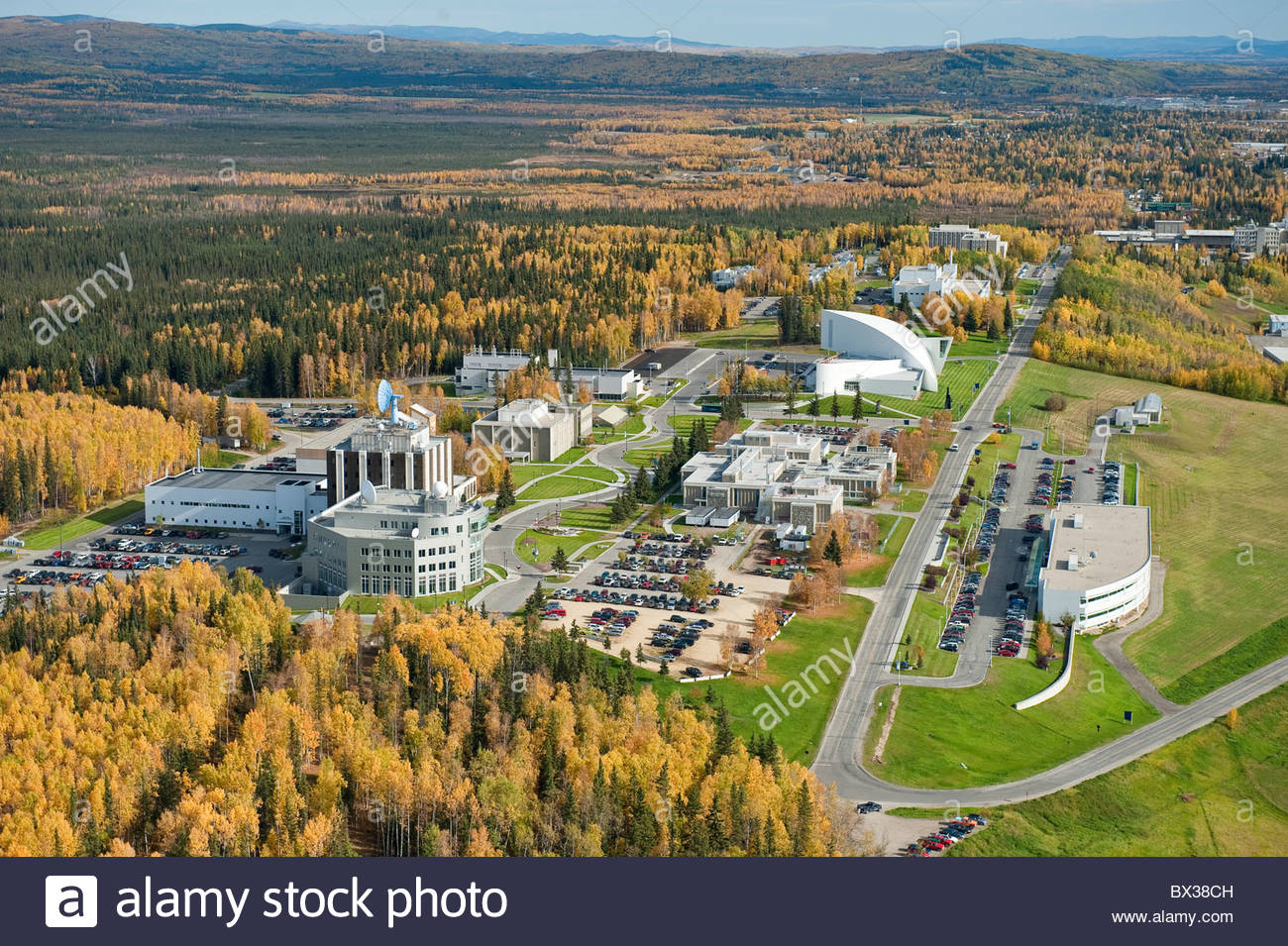
The researchers, affiliated with the University of Alaska Fairbanks, initially spotted only a few footprints near the base of the formation. It wasn’t until the sun dipped low in the sky that hundreds more tracks emerged across the rock face, revealing the true scale of the site. Pat Druckenmiller, director of the University of Alaska Museum of the North, described the moment as one of those rare instances where you realize you’re looking at something truly extraordinary
.
Denali National Park, already known for its paleontological significance, now hosts the most extensive dinosaur trackway ever documented in the state. The footprints date back approximately 70 million years, providing a snapshot of an ecosystem that once thrived in what is now the heart of Alaska. The discovery underscores the region’s role as a critical hub for understanding Late Cretaceous life in North America.
Why This Site Stands Apart
Previous dinosaur track sites in Denali were limited to single layers of footprints, offering only a fleeting glimpse into prehistoric behavior. The Coliseum, however, presents a sequence through time
, with multiple layers of tracks preserved in succession. This stratification allows researchers to study not just individual species but also their interactions and movements over millions of years.

According to Stewart, the site’s size and complexity make it unique. It’s not just one level of rock with tracks on it. It is a sequence through time
, he explained. The formation’s geological features suggest it was once underwater, a detail that aligns with broader research on dinosaur habitats during the Late Cretaceous. The tracks likely belong to theropods and ornithopods, two dominant groups of dinosaurs from that era.
Broader Implications for Paleontology
The discovery adds to a growing body of evidence that Interior Alaska was once a dynamic ecosystem teeming with life. While dinosaur fossils are rare in the region, the trackways provide indirect but critical data on behavior, migration patterns, and environmental conditions. The Coliseum’s tracks may also help researchers refine estimates of dinosaur population densities and social structures.

Looking ahead, the site will require further study to fully interpret its significance. Researchers plan to conduct additional surveys and potentially expand excavations to uncover more details about the dinosaurs that once inhabited this area. The findings also highlight the importance of continued exploration in remote regions, where unexpected discoveries can reshape our understanding of Earth’s history.
What’s Next for the Coliseum?
While the initial discovery has generated excitement, the work is far from over. Scientists will need to analyze the track patterns, determine the species responsible, and assess the geological context in which they were preserved. The site’s remote location and fragile nature also pose challenges for further study, but the potential rewards are substantial.
For now, the Coliseum remains a testament to the serendipity of scientific exploration. What began as an ordinary hike through Denali’s wilderness has uncovered one of the most significant paleontological findings in Alaska’s history—a reminder that even in the most well-studied regions, nature still holds secrets waiting to be revealed.
