
Alberta’s Deficit Persists Despite Oil Price Surge
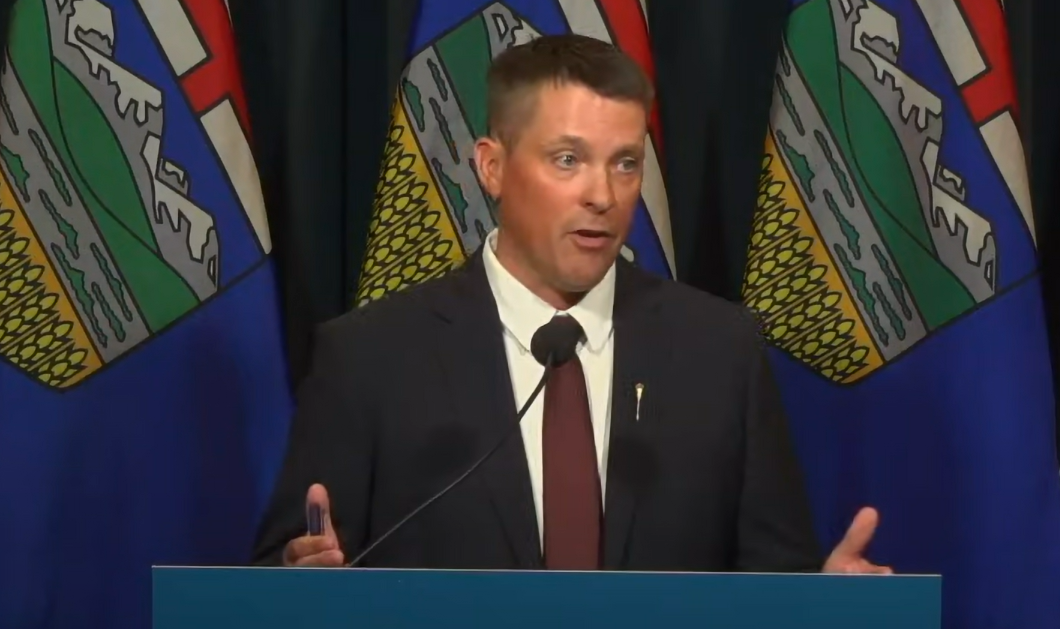
Alberta is likely to remain in a deficit position for the fiscal year ending March 31, despite a recent and significant increase in oil prices, according to Finance Minister Nate Horner. While higher-than-projected oil prices have improved the province’s fiscal outlook, they are not expected to be sufficient to eliminate the deficit entirely. This situation underscores Alberta’s growing reliance on volatile resource revenues and challenges its fiscal planning framework.
Fiscal Outlook and Oil Price Sensitivity
The province originally forecasted a $9.4 billion deficit for the 2026-27 fiscal year, based on a West Texas Intermediate (WTI) benchmark price of US$60.50 per barrel. However, prices have surged well above this level, reaching over US$100 per barrel in early March, driven in part by geopolitical tensions. Horner acknowledged that each US$1 change in WTI prices has a net impact of $680 million on the province’s finances, but stated that the timing of the price increase may limit its effect on the current fiscal year. According to Scotiabank Economics, Alberta is facing larger deficits due to lower oil prices and increased spending.
Budgetary Constraints and Fiscal Rules
The current budget forecasts a $4.1 billion deficit for the 2025-26 fiscal year. The province’s fiscal framework prohibits three consecutive years of deficits, a rule that is poised to be broken. Horner indicated the government will review its fiscal rules in light of these challenges. This flexibility is being considered as Alberta experiences population growth and the resulting increased demand for public services.
Economic Context and Volatility
The situation highlights a broader trend of increased oil price volatility. Economist Trevor Tombe of the School of Public Policy has warned that Alberta is more reliant on volatile resource revenues than at any time since the 1980s. This reliance makes the province’s fiscal planning particularly challenging, as budget projections are highly sensitive to fluctuations in global oil markets. This is particularly concerning given the potential for significant supply disruptions, as evidenced by recent events in the Middle East. Read more on Globally Pulse Business about the complex interplay between oil prices and fiscal policy.
Market Reaction and Implications
While the oil price surge is providing some fiscal relief, it is not currently enough to erase the deficit. This underscores the need for Alberta to diversify its revenue sources and reduce its dependence on oil. The province needs to achieve a WTI price of US$74.00 per barrel in 2025/26, US$76.35 in 2026/27 and US$77.50 in 2027/28 to balance the books. The continued reliance on oil revenue creates a structural vulnerability to global economic shocks and geopolitical events. The Alberta government is also grappling with inflationary pressures and the need to manage spending while addressing the needs of a growing population. The province’s debt is projected to increase by $17.9 billion, reaching $128.7 billion in the coming fiscal year, further complicating the budgetary outlook.
Looking Ahead
Horner stated that a more accurate forecast will be available in August, after the first quarter of the new fiscal year. The government will then be able to incorporate actual revenue data and provide a more comprehensive assessment of the province’s financial position. The situation underscores the importance of prudent fiscal management and the need for Alberta to diversify its economy to reduce its vulnerability to oil price fluctuations. The province’s ability to adapt to changing economic conditions will be crucial in ensuring its long-term financial stability.
