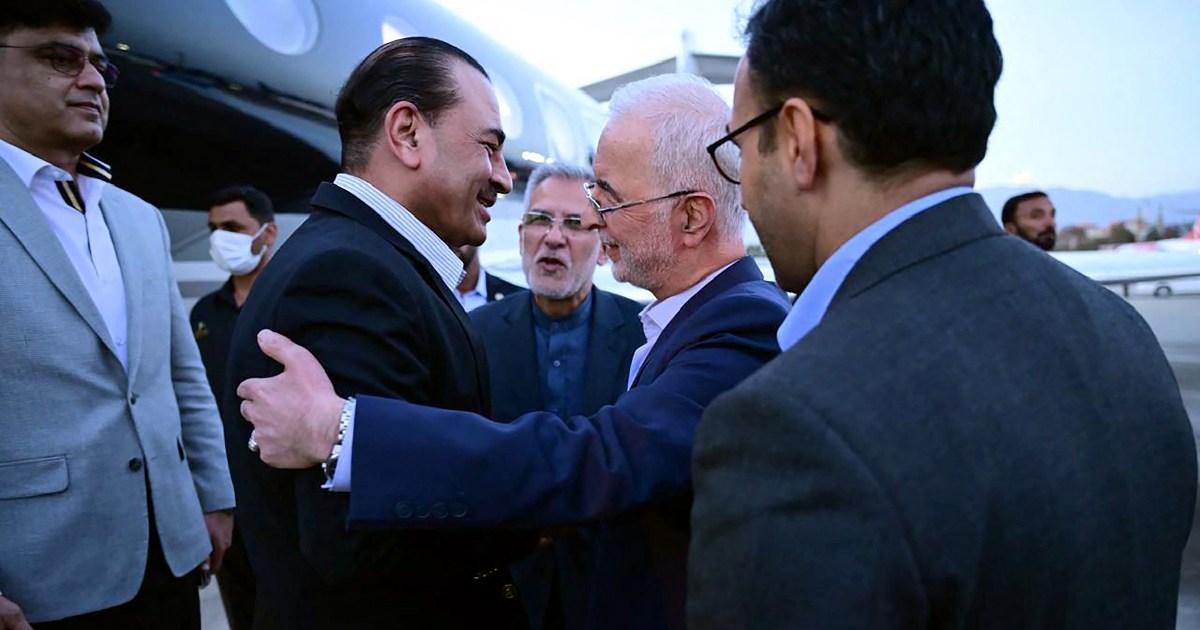
As of May 23, 2026, U.S.-Iran negotiations over the Strait of Hormuz remain deadlocked, with Tehran rejecting Washington’s demands for a nuclear deal while the Biden administration prepares for potential military escalation. Diplomatic efforts, including a 20-hour talks in Islamabad, have stalled, leaving regional tensions at a critical juncture. The U.S. has announced a naval blockade of the strait, while Iran warns of retaliatory measures, including closing the waterway if the U.S. continues its blockade. Meanwhile, the United Nations Security Council faces a pivotal vote on a resolution to address the crisis, with Secretary of State Marco Rubio calling the draft “the highest number of co-sponsors of any resolution ever” but cautioning that some members may veto it.
Diplomatic Deadlock and Military Posturing
Iran’s top negotiator, Ambassador Amir Saeid Iravani, has dismissed U.S. demands to abandon its nuclear ambitions, stating that progress on the Strait of Hormuz crisis hinges on ending the U.S.-Israeli war against Iran. “The solution to the crisis in the strait is a permanent end to the U.S.-Israeli war with his country, and the U.S. blockade of Iranian ports and vessels,” Iravani said, according to CBS News. This stance contrasts with U.S. Secretary of State Marco Rubio, who emphasized that Iran’s “tolling system” in the strait is “not acceptable,” warning that “no one who pays an illegal toll will have safe passage on the high seas.” The U.S. has since confirmed it is “locked and loaded” for potential strikes, with President Donald Trump declaring the Strait of Hormuz “blocked” in a series of Truth Social posts via the BBC.
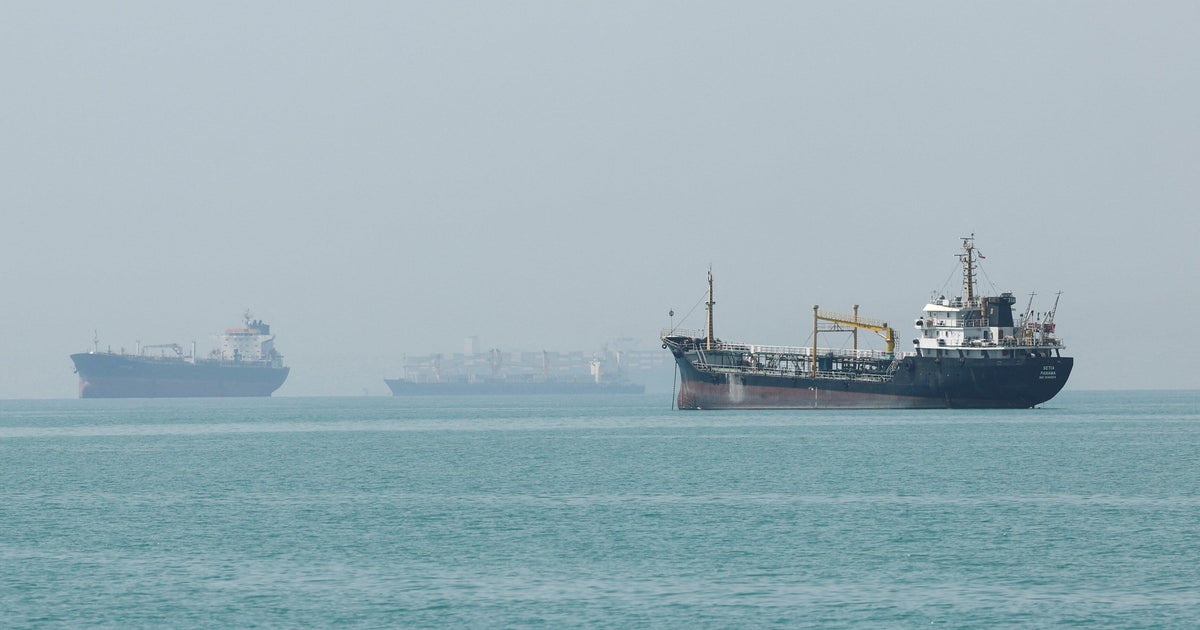
The failure of recent talks has intensified fears of a broader conflict. Trump’s administration has escalated its rhetoric, with the president stating that the U.S. will “continue clearing mines from the Strait of Hormuz” to ensure “safe passage for allied shipping.” However, Iran has warned that it will “close” the strait if the blockade continues, a move that could disrupt global oil markets and draw in regional powers. “The president’s views, frankly, disappointment at some of our NATO allies and their response to our operations in the Middle East,” Rubio said, according to ABC News, highlighting tensions within the alliance over U.S. military actions.
NATO’s Role and Internal Divisions
Secretary of State Marco Rubio has called for increased NATO involvement in securing the Strait of Hormuz, urging the alliance to “re-examine where we put troops” as part of its global commitments. “You saw the president’s announcement last night with regards to Poland and deployment,” Rubio said, referencing Trump’s recent decision to deploy 5,000 troops to the country. However, NATO’s response has been mixed. While some members support U.S. efforts, others have expressed concerns over the potential for escalation. “They are well documented, that will have to be addressed, that won’t be solved or addressed today. That’s something for the leaders’ level to discuss,” Rubio added, indicating that the issue will be left to high-level diplomatic talks.
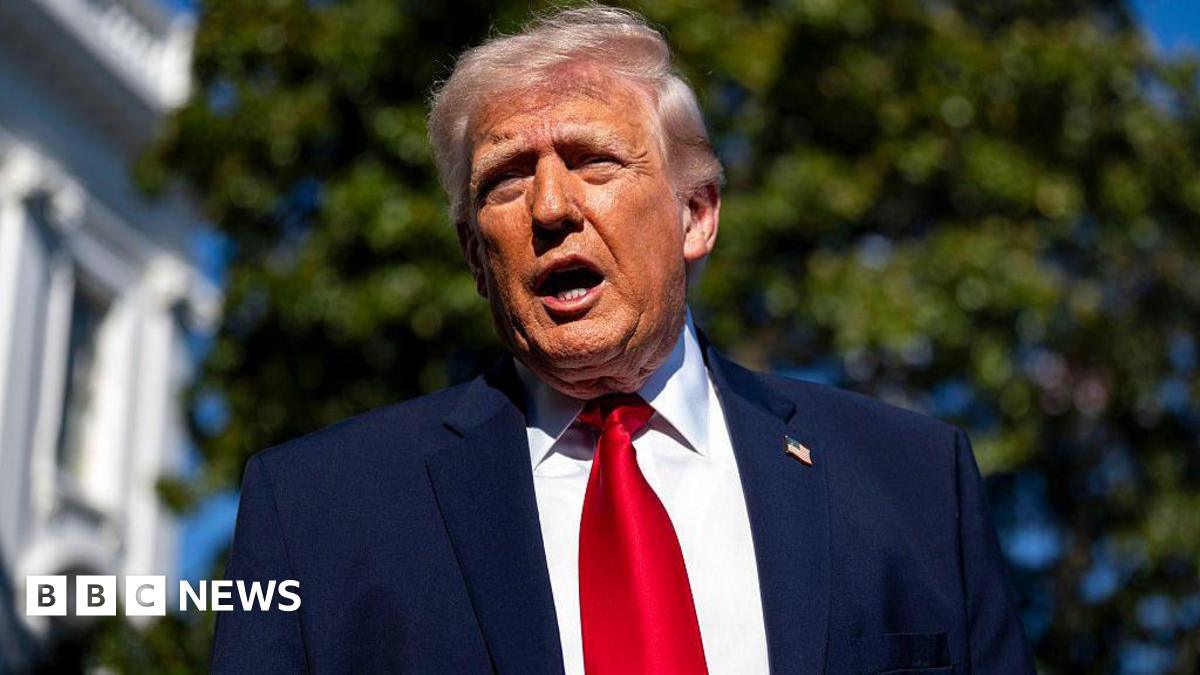
For more on this story, see Trump halts Iran strike to push stalled nuclear talks forward.
The U.S. has also faced criticism from within its own government. House GOP leaders pulled a vote on Iran war powers in late May, citing attendance issues, as reported by ABC News. This move has raised questions about the administration’s ability to secure bipartisan support for its policies, particularly as the situation in the Middle East grows more volatile. “The United States continues to have global commitments that it needs to meet in terms of our force deployment, and that constantly requires us to re-examine where we put troops, and this is not a punitive thing,” Rubio said, defending the troop deployments.
UN Resolution and International Pressure
The United Nations Security Council is set to vote on a draft resolution aimed at addressing the crisis in the Strait of Hormuz. The proposal, tabled by Bahrain, calls for Iran to cease its attacks on vessels in the strait and to end its efforts to impose tolls on commercial ships. “Let’s see if the United Nations still works,” Rubio said, according to CBS News, as the resolution faces potential opposition from China and Russia, which have previously vetoed similar measures. “Unfortunately, a couple of countries on the Security Council are thinking about vetoing it,” Rubio added, warning that such a move would be “lamentable.”
This follows our earlier report, Rubio Reports Slight Progress in Iran Talks.
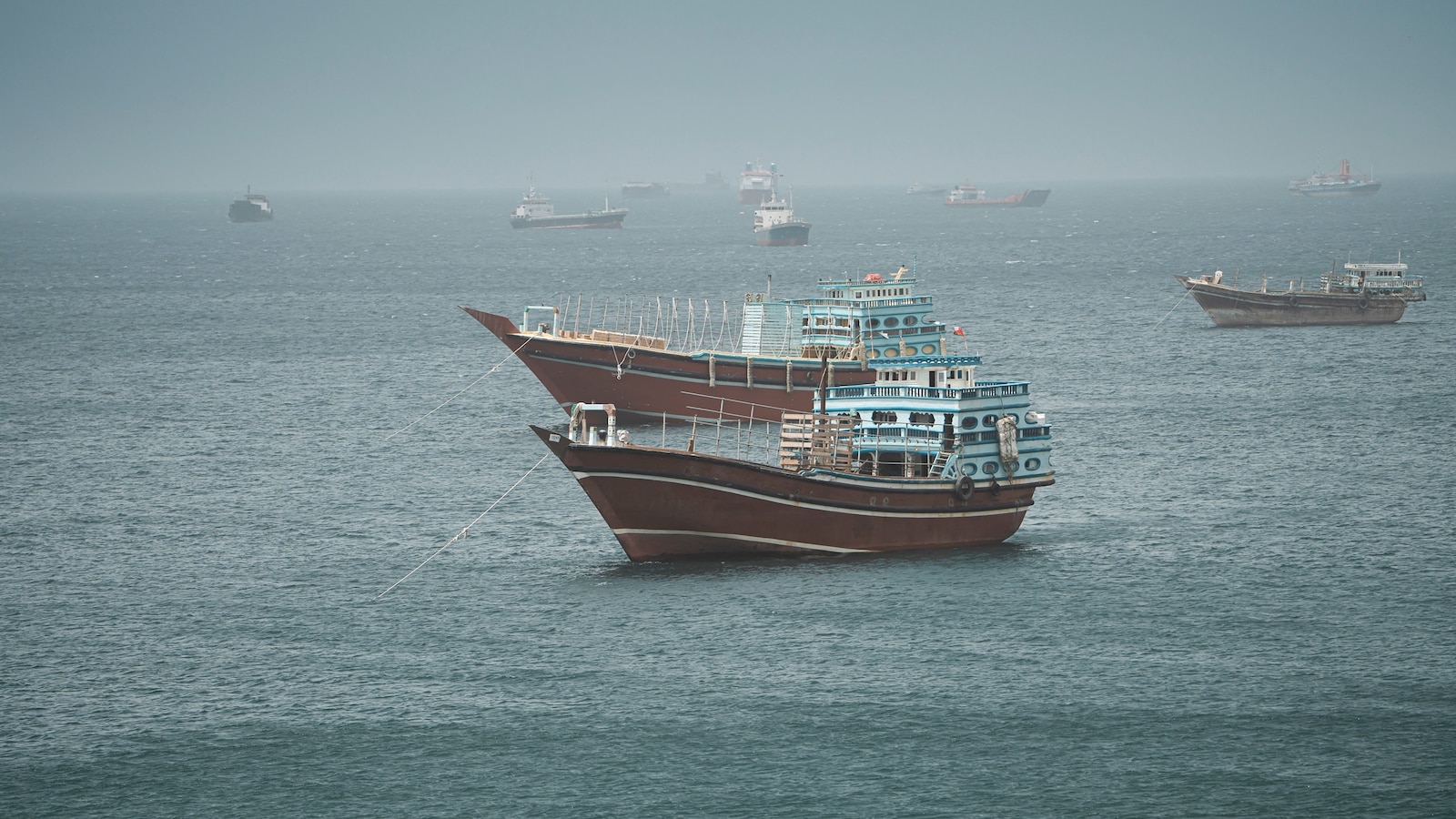
Iran has condemned the draft resolution as “deeply flawed and one-sided,” with Ambassador Iravani arguing that it fails to address the root causes of the conflict. “The solution to the crisis in the strait is a permanent end to the U.S.-Israeli war with his country,” he said, according to CBS News. This stance has complicated diplomatic efforts, as the U.S. and its allies push for a resolution that would codify their demands while Iran insists on broader concessions.
The resolution has also drawn attention from regional actors. Saudi Arabia and the UAE have condemned “fresh” hostilities, as reported by ABC News, but their ability to influence the outcome remains limited. With the Security Council divided, the likelihood of a swift resolution appears slim, leaving the situation in the Strait of Hormuz increasingly precarious.
Iran’s Stance and Regional Tensions
Iran has maintained that it is “ready” for war if diplomacy fails, a statement echoed by President Masoud Pezeshkian, who warned that Tehran will not engage in “forced negotiations” under pressure. “Iran’s top negotiator said the strait would close if the United States continued its blockade,” according to <a the most recent diplomatic briefings, underscoring the severe risks that any further escalation could pose to international shipping routes and the broader stability of the entire Persian Gulf region.
