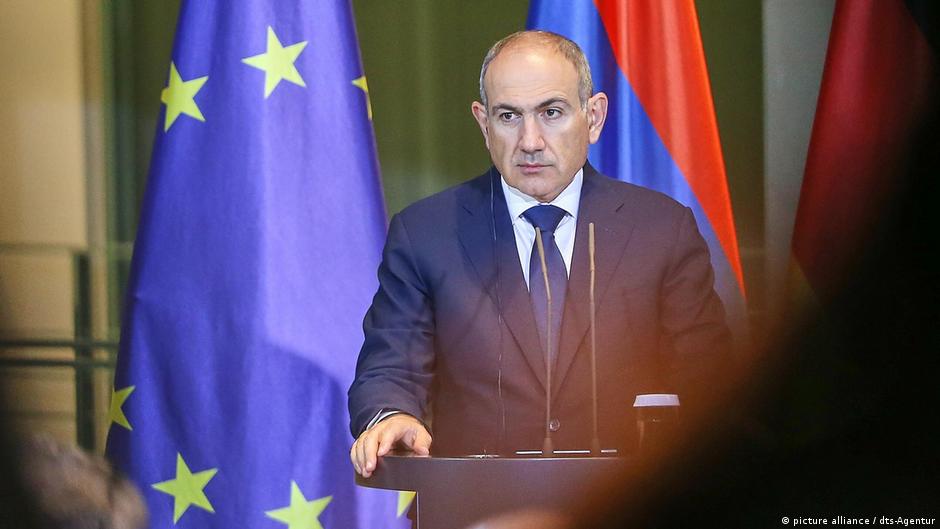
Armenia’s parliamentary elections on Sunday will decide whether the country pivots toward Europe or doubles down on its historic ties with Russia—after Moscow has weaponized trade bans and political interference to tilt the race. With Prime Minister Nikol Pashinyan’s pro-EU party leading in polls, Kremlin-backed opposition figures face arrest or exile, while Russian officials have escalated economic pressure by banning Armenian agricultural exports just weeks before voting.
Elections as a Referendum on Armenia’s Future
The vote is shaping up as a de facto referendum on Armenia’s geopolitical soul. Pashinyan’s “Civil Contract” party leads in pre-election polling with 32% of respondents backing it, according to a survey commissioned by the Washington-based International Republican Institute (IRI), though the opposition—traditionally pro-Russian—remains fragmented. The “Strong Armenia” bloc, led by billionaire Samvel Karapetyan (currently under house arrest on charges of inciting a coup), trails with just 7% support. Even more telling: nearly half of respondents either haven’t decided or refused to name a preferred candidate, reflecting deep uncertainty over Armenia’s direction.

The stakes couldn’t be higher. In May 2025, Armenia’s parliament approved a law to begin EU accession talks—a move that has infuriated Moscow. Russia, which has long treated Armenia as a strategic ally in the South Caucasus, now views Pashinyan’s shift as a direct challenge. The Kremlin’s response has been twofold: political sabotage and economic warfare. Russian officials have publicly celebrated the arrest of Karapetyan, a figure long tied to Moscow’s interests, while reports suggest the Kremlin is considering flying in Armenian voters from Russia—where they can’t participate—to boost turnout for pro-Russian candidates.
The Kremlin’s Playbook: Trade Bans and Disinformation
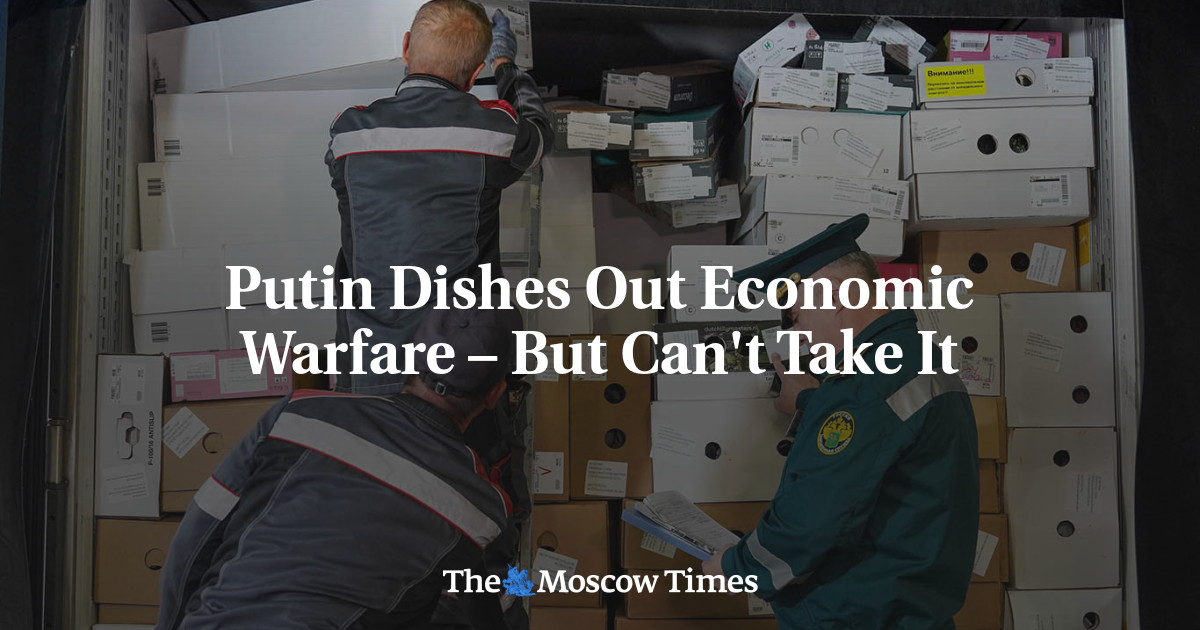
Russia’s economic pressure campaign has been relentless. In late May, Moscow’s agricultural watchdog, Rosselkhoznadzor, banned imports of Armenian flowers, mineral water, and fresh produce—citing phytosanitary concerns that experts dismiss as pretextual. By early June, the restrictions had expanded to nearly all of Armenia’s agricultural exports, including fish from landlocked Armenia. The timing is deliberate: these bans coincide with a Kremlin-backed disinformation push, including claims that Pashinyan’s government is corrupt and unpatriotic.
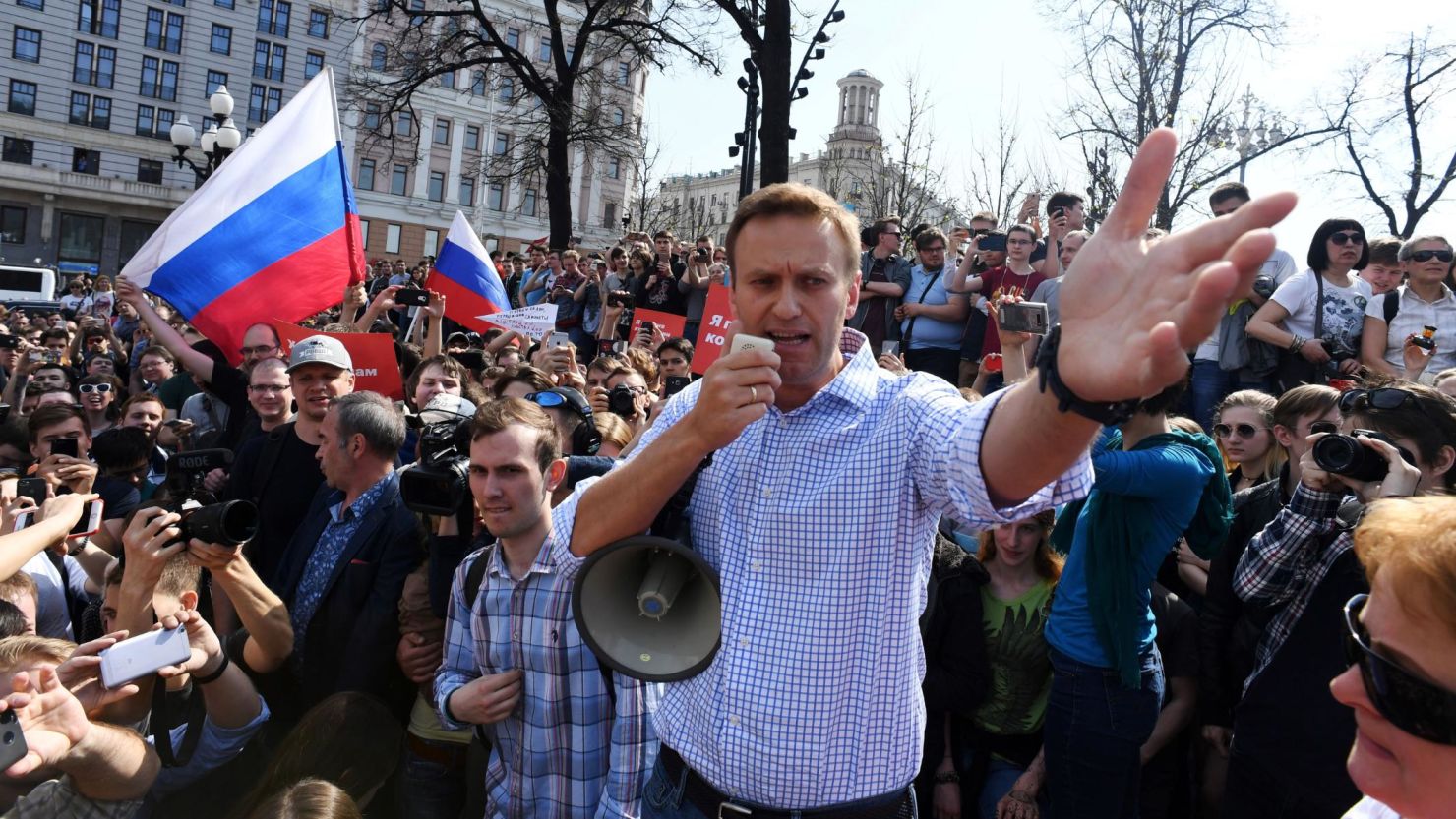
The Moscow Times reports that Putin himself has weighed in, calling on Armenia to release prisoners holding Russian passports who seek to “participate in Armenia’s domestic political process”—a clear reference to Karapetyan. The message is unmistakable: Moscow will use every tool at its disposal to prevent Armenia from drifting toward Brussels.
Yet the strategy risks backfiring. Polls show that 92% of Armenians who participated in the IRI survey say they intend to vote—up from 72% in 2021—a sign of growing political engagement. The low response rate (16%, down 19 percentage points from 2021) may reflect wariness of Kremlin influence, not disinterest. And while pro-Russian parties like the “Armenia Alliance” (led by former president Robert Kocharyan, a Putin ally) and “Prosperous Armenia” (backed by United Russia) scrape single digits, their very existence as Kremlin proxies may mobilize voters against them.
Who Stands to Gain—or Lose—If Pashinyan Wins?
If Pashinyan’s party secures a majority, Armenia’s EU ambitions could accelerate, though full membership remains years away. The prime minister has framed the election as a choice between stability (via EU integration) and isolation (by clinging to Russia). But the Kremlin’s interference suggests Moscow sees Armenia as a lost cause—or at least a battleground worth fighting over.
For Russia, the losses are clear: Armenia’s potential EU alignment would weaken Moscow’s influence in the South Caucasus, a region already strained by Azerbaijan’s 2020 and 2023 military victories over Armenian forces in Nagorno-Karabakh. The Kremlin’s heavy-handed tactics—arresting opposition figures, spreading disinformation, and imposing trade bans—risk alienating Armenians who see them as bullying rather than persuasion.
For the EU, the opportunity is limited but symbolic. Armenia’s path to membership is long and fraught with challenges, including corruption and judicial reforms. Yet even incremental progress could signal a broader shift in post-Soviet states toward Western institutions—a direct rebuke to Putin’s vision of a Russian-led sphere of influence.
The Wild Card: What Happens If the Opposition Unites?
The biggest unknown is whether Armenia’s fragmented opposition can coalesce behind a single anti-Pashinyan candidate. The “Strong Armenia” bloc (Karapetyan’s group) and the “Armenia Alliance” (Kocharyan’s faction) have little in common beyond their shared hostility to Pashinyan. But if they could agree on a unified platform—and if Moscow’s interference succeeds in boosting turnout for pro-Russian voters—they might force a runoff or a hung parliament.
There’s a historical precedent for this: in 2021, Armenia’s snap elections saw a 19 percentage-point drop in poll participation compared to previous votes, a collapse that some attributed to Kremlin-backed intimidation tactics. This time, the opposition’s disarray could work in Pashinyan’s favor—unless the Kremlin’s economic pressure pushes undecided voters toward the opposition as a protest vote.
What Comes Next: Three Scenarios for Armenia’s Future
The next 30 days will determine whether Armenia’s election is a turning point or a sideshow.
- Pashinyan Wins Big: If his party secures a majority, Armenia’s EU integration process will gain momentum, though full membership is still years away. Russia’s retaliation—economic sanctions, diplomatic isolation—could escalate, but Armenia’s strategic value to the West may offset some of the pain.
- Opposition Surge: If pro-Russian parties combine forces and mobilize enough voters (with or without Kremlin help), they could force a runoff or a parliamentary deadlock. This would leave Armenia in limbo—neither fully pro-EU nor fully pro-Russian—and vulnerable to external pressures.
- Stalemate: If no party wins a clear majority, Armenia could face prolonged political gridlock, with Pashinyan’s reforms stalling and Russia’s influence lingering. The EU might lose patience, while Moscow could exploit the chaos to reassert control.
The wild card? The Armenian people themselves. Polls suggest many voters are undecided, but the high turnout intent (92%) indicates a desire for change—whether toward Europe or away from Moscow remains the question. One thing is certain: this election isn’t just about domestic politics. It’s a proxy battle for Armenia’s soul—and the Kremlin isn’t going down without a fight.
For now, the message from Yerevan is clear: Armenia wants a choice. The question is whether the world will let it make one.
