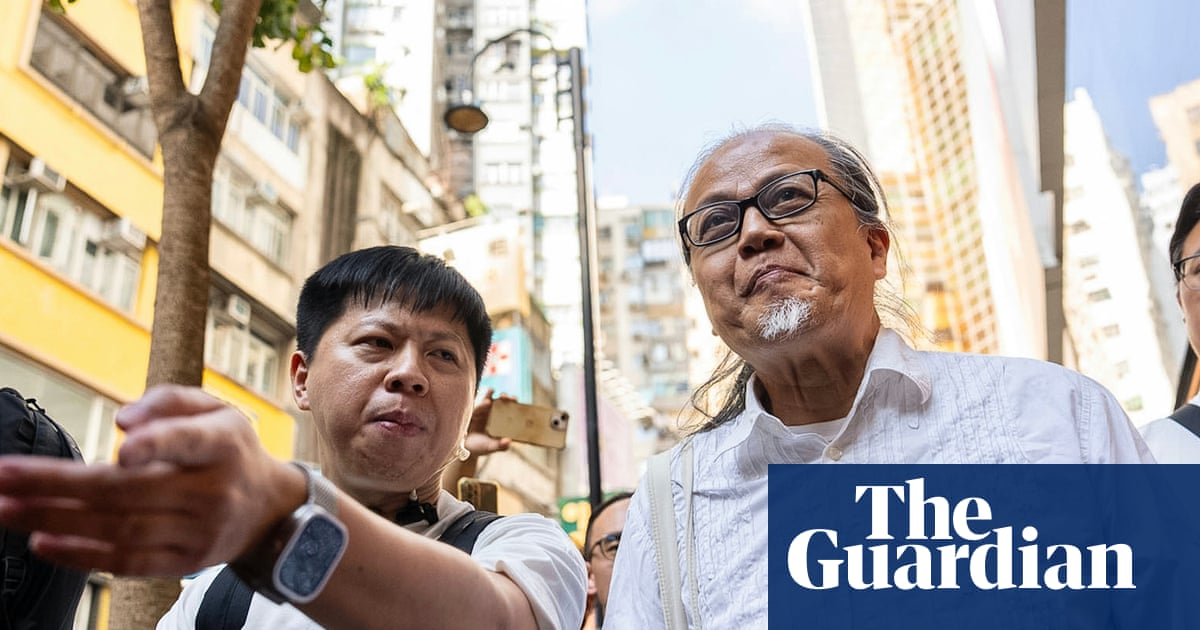
On June 4, 2026, Hong Kong police intercepted artists attempting to commemorate the 37th anniversary of the Tiananmen Square massacre, while Chinese authorities banned the Tiananmen Mothers from visiting graves of their loved ones—a move Amnesty International called “heartless repression.” The crackdown underscores Beijing’s escalating efforts to erase public memory of the 1989 crackdown, even as global vigils in Taipei and symbolic acts in Hong Kong defy the silence.
Symbolic Defiance in Hong Kong: The Red Thread and the Question Mark
In Causeway Bay, a shopping district near Victoria Park—the former site of Hong Kong’s annual candlelight vigil—performance artist Sanmu Chen attempted to tie a 6.4-meter red thread to a street signpost, a symbolic nod to the date of the Tiananmen massacre. Police stopped him within minutes, searched his bag, and let him go without charges. The length of the thread, 6.4 meters, was no coincidence: it mirrored the date of the crackdown, June 4, 1989. Chen, who has been detained twice before for similar acts of remembrance, told reporters, “It’s abnormal when people monitor you when you are saying or doing something.”

Chen’s detention in 2024—after he wrote the numbers “eight nine six four” in the air—mirrors the relentless surveillance of Tiananmen-related expressions in Hong Kong. The following year, he was held again for chanting, “Hong Kongers, do not be afraid. Don’t forget, tomorrow is June 4.” These acts, once part of a broader democratic movement, now exist in a legal gray zone where even passive remembrance risks confrontation. The Guardian reported that police also stopped Chan Mei-tung, another artist holding a question-mark-shaped balloon—a silent protest against the erasure of historical truth.
The Tiananmen Mothers’ Graveside Ban: A New Low
While Hong Kong artists faced police intervention, the Tiananmen Mothers—a group of relatives of those killed in 1989—received a chilling notice from the Beijing Municipal Public Security Bureau: they were barred from visiting Wan’an Cemetery to mourn their loved ones. This is the first time in over three decades that the group, which has annually traveled to the cemetery under police escort, has been denied access. Amnesty International’s Deputy Regional Director, Sarah Brooks, called the ban “heartless”, stating that it reflects “an approach that is increasingly hardline and devoid of compassion.”

The Tiananmen Mothers have long demanded accountability for the crackdown, which left hundreds—possibly thousands—dead and tens of thousands arrested. Their annual pilgrimage to Wan’an Cemetery has been a defiant act of remembrance, but this year’s ban signals a deliberate attempt to sever the last remaining public ties to the massacre. As Brooks told Amnesty International, the Chinese authorities must be held accountable for “the grave human rights violations perpetrated on 4 June 1989.” Yet the ban suggests Beijing is doubling down on repression, not only suppressing public memory but even private mourning.
Taipei’s Vigil: Where Exile Becomes Resistance
In Taipei, hundreds of Hongkongers and Taiwanese gathered under torrential rain to observe a moment of silence at 8:09 PM—64 seconds of quiet, representing the date of the massacre. One participant, who asked to remain anonymous for safety reasons, explained why they traveled from Hong Kong: “I came here mainly because it’s now completely impossible to hold any kind of commemoration of 4 June in Hong Kong. That makes it even more important to be here.” The vigil was a stark contrast to the crackdown in Hong Kong and Beijing, offering a rare space for open remembrance.
The shift from Hong Kong to Taipei reflects a broader diasporic resistance. For years, Victoria Park’s annual candlelight vigil drew hundreds of thousands, but since Beijing imposed its national security law in 2020, such gatherings have been banned. The Guardian noted that the 2019 crackdown on Hong Kong’s pro-democracy movement has made Tiananmen’s legacy even more resonant for younger generations, who now see the 1989 massacre as a cautionary tale. One Hongkonger at the Taipei vigil said, “People in Hong Kong were left with this deep sense of regret that the democracy movement had come to a halt… just like with 4 June.” The comparison is deliberate: both movements were crushed, but their echoes persist in exile.
Beijing’s Escalation: From Censorship to Erasure
The Tiananmen Mothers’ ban is not an isolated incident. Since 2020, Beijing has systematically dismantled public commemoration of the 1989 crackdown, from banning vigils to scrubbing references from textbooks and digital platforms. The U.S. Consulate General in Hong Kong marked the anniversary with a stark reminder: “The Chinese Communist Party ordered its troops to attack thousands of peaceful demonstrators in and around Tiananmen Square.” Yet in mainland China, the event remains a forbidden topic, with even the numbers “8964” censored from online searches.

The escalation is part of a broader pattern. In 2019, Hong Kong’s pro-democracy movement was met with mass arrests and the imposition of the national security law, which effectively silenced dissent. Now, the Tiananmen Mothers’ ban suggests that even private acts of remembrance are under threat. The Chinese government’s strategy is clear: not just to control the narrative, but to erase it entirely. As Amnesty International’s Brooks warned, the prohibition on cemetery visits is “an attempt to stamp out even the personal memories of the victims’ families.” This is not just about history—it’s about power.
What Comes Next: Vigils, Surveillance, and the Fight for Memory
The crackdown on Tiananmen commemoration in 2026 is a warning sign. For decades, Hong Kong was the last bastion of public remembrance, but now even that space is closing. The Taipei vigil, the red thread in Causeway Bay, and the Tiananmen Mothers’ defiance all point to a single reality: the fight to preserve memory is shifting from streets to exile, from candles to digital archives, from public squares to private acts of resistance.
Yet the Chinese government’s repression may backfire. The more it suppresses remembrance, the more younger generations—both in China and abroad—will seek out forbidden histories. The numbers “8964” may be censored, but they are also being whispered in classrooms, shared in encrypted messages, and etched into art. The Tiananmen Mothers’ ban is a symptom of Beijing’s fear: that the past cannot be buried, only hidden. And in the age of global connectivity, hiding is harder than ever.
The question now is whether the world will hold China accountable. The U.S. Consulate’s statement on June 3, 2026, called for accountability, but without concrete action, the words ring hollow. The Tiananmen Mothers’ struggle is not just about graves—they are fighting for the right to remember, to mourn, and to demand truth. And as long as they persist, the crackdown will only deepen their resolve.
