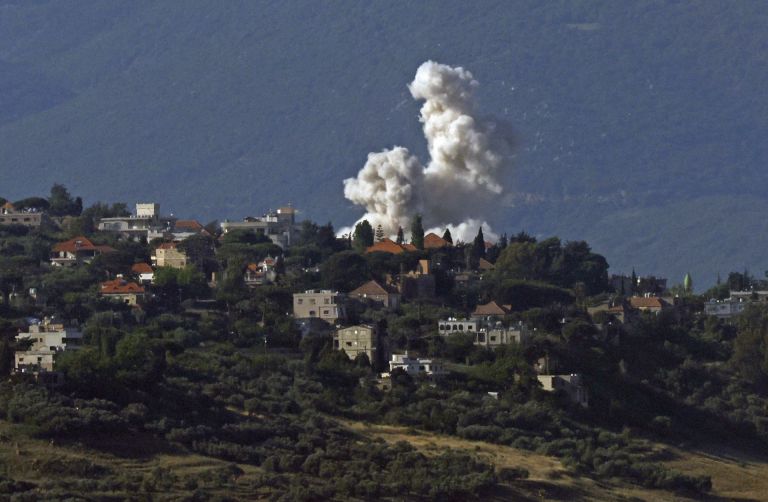
Israel’s fragile ceasefire with Lebanon is unraveling faster than it was forged, leaving the country as the unintended battleground in a proxy war between Tehran and Jerusalem. As of Friday, June 5, 2026, Lebanon’s parliament speaker Nabih Berri has rejected the U.S.-brokered truce framework, demanding a full Israeli withdrawal before Hezbollah retreats from southern Lebanon—a condition Israel has no intention of meeting. Meanwhile, Israeli Defense Minister Israel Katz confirmed that ground operations in southern Lebanon would continue despite the ceasefire, while Hezbollah Secretary-General Naim Qassem dismissed the agreement as “surrender, defeat and achieving the enemy’s goals.” The conflict, now in its fourth month, has displaced over 1 million Lebanese and killed thousands, with no clear path to resolution.
Ceasefire on Paper, War in Reality
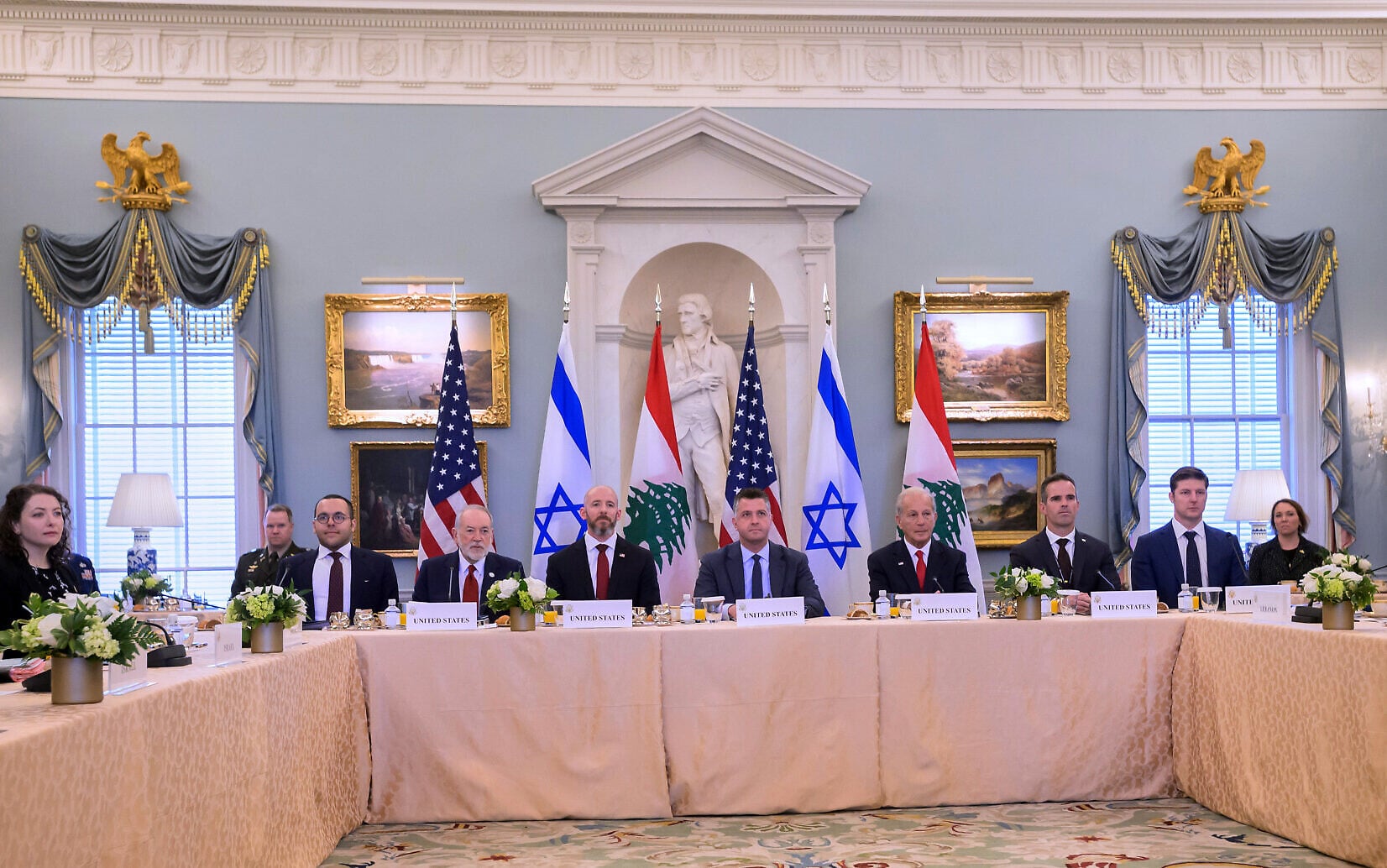
The ceasefire announced on June 3 by the U.S., Israel, and Lebanon was supposed to be a breakthrough. Instead, it’s already fraying at the edges. The joint statement—released after two days of U.S.-mediated talks in Washington—called for a “complete cessation of Hezbollah fire” and the evacuation of Hezbollah operatives from areas south of the Litani River. But the devil is in the details: The Times of Israel reports that the Lebanese military would take control of “pilot” security zones, but it’s unclear how that would work in practice. Hezbollah, which has never recognized Lebanon’s sovereignty over its own territory, dismissed the plan outright.
Hezbollah’s rejection is no surprise. The group’s Secretary-General, Naim Qassem, told Al-Manar TV on Thursday that the agreement would mean “surrender, defeat and achieving the enemy’s goals.” His stance mirrors that of Iran’s Supreme Leader, Motjaba Khamenei, who framed the conflict as a test of Iranian resistance. “The enemy is experiencing a meaningful and profound humiliation in the field and the streets,” Khamenei said, warning that Israel’s existence is “not permanent.”
What makes this ceasefire particularly fragile is its dependence on two conditions: Hezbollah’s compliance and Israel’s willingness to withdraw. Neither side is showing signs of bending. Israeli Defense Minister Israel Katz told reporters on Thursday that Israel would maintain its ground operation in southern Lebanon and that evacuated residents would not be allowed to return. Meanwhile, Hezbollah’s Qassem made clear that resistance would continue “as long as there is occupation.”
The Lebanese Catch-22
Lebanon finds itself in an impossible position. The country’s government, led by Prime Minister Nawaf Salam, has agreed to deploy its military in the “pilot zones” as a first step toward a broader ceasefire. But the Lebanese Armed Forces (LAF) are no match for Hezbollah’s heavily armed militia. As The Guardian reported, Salam acknowledged that the deployment “does not prejudice our right to a full [Israeli] withdrawal,” but it’s unclear how Lebanon can enforce such a withdrawal without Hezbollah’s cooperation—or without provoking further Israeli strikes.
The problem is structural. Lebanon has never had full control over its southern border, and Hezbollah’s presence there is a direct result of Iran’s proxy strategy. The U.S.-brokered ceasefire attempts to separate Lebanon’s conflict from the broader U.S.-Iran standoff, but Tehran has made it clear that any deal with the U.S. is contingent on Israel halting its attacks on Lebanon. As Stratfor’s analysis notes, “Iran’s Islamic Revolutionary Guard Corps has emphasized that a full ceasefire in Lebanon is a condition for preserving its own fragile ceasefire with the United States.” In other words, Lebanon’s fate is being held hostage by two powers that refuse to negotiate directly.
Adding to the chaos is the fact that Israel and Lebanon have no diplomatic relations and have been in a state of war since 1948. The U.S. is trying to mediate, but its leverage is limited. President Trump’s declaration on Monday that Washington had brokered a fresh truce between Israel and Hezbollah was quickly undercut by reality: Israeli strikes continued in southern Lebanon, and Hezbollah kept firing rockets. The ceasefire, it seems, was never more than a temporary pause.
What Comes Next?
The immediate question is whether the ceasefire will hold long enough for another round of talks, scheduled for three weeks from now. But the deeper issue is whether any agreement can survive without addressing the root causes: Iran’s support for Hezbollah, Israel’s refusal to withdraw from occupied territories, and Lebanon’s inability to assert control over its own borders.
One possibility is that the U.S. will increase pressure on Israel to make concessions, particularly if the Iran talks stall. But Israel’s government, led by Prime Minister Benjamin Netanyahu, has shown little willingness to compromise. Meanwhile, Hezbollah’s Qassem has made it clear that the group will not disarm or retreat until Israel withdraws entirely—a demand Israel has no intention of meeting.
Another wild card is the Lebanese people. Over 1 million have been displaced, and the country’s fragile economy is on the brink of collapse. Public opinion in Lebanon is deeply divided: some see Hezbollah as a necessary bulwark against Israel, while others view the group as an occupying force within their own country. If the conflict drags on, Lebanon’s stability could unravel entirely.
The Human Cost
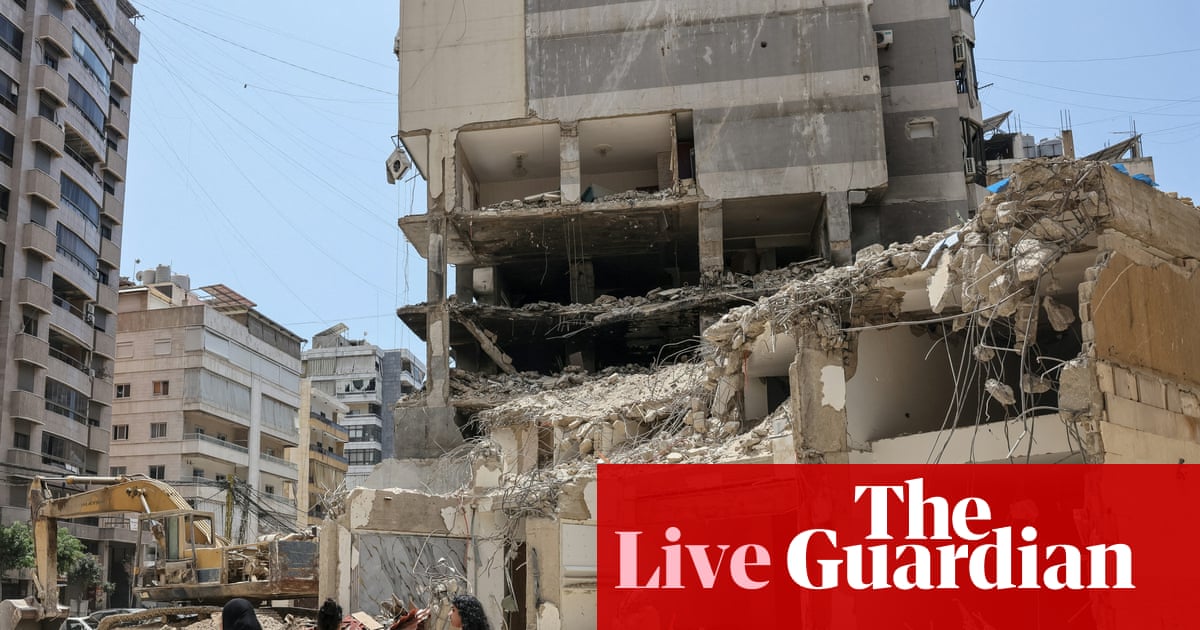
The numbers tell the story. Since fighting began in early March, more than 3,000 Lebanese have been killed, and dozens of Israelis have died. A UN peacekeeper was killed in the crossfire on Thursday, and Israeli drone strikes have targeted civilian areas, including a strike on June 3 that wounded a family in Beirut’s southern suburbs. The humanitarian toll is staggering, with hospitals overwhelmed and food shortages worsening.

What makes this conflict particularly brutal is its indiscriminate nature. Hezbollah’s rocket attacks have hit Israeli civilian areas, while Israeli airstrikes have targeted Lebanese infrastructure, including power plants and bridges. The risk of a wider regional war remains high, especially if Iran decides to escalate its involvement.
“What we are concerned about is an end to the aggression, ceasefire and Israel’s withdrawal. We did not make any commitment to any party to stop resisting as long as there is occupation.”
— Naim Qassem, Hezbollah Secretary-General, via <a href="https://www.theguardian.
The Road Ahead
The ceasefire, such as it is, has bought time—but not much. The next critical test will be whether the U.S. can keep Israel and Lebanon engaged in talks while preventing Hezbollah from derailing the process. The fact that Iran’s Supreme Leader Khamenei has tied Lebanon’s fate to the broader U.S.-Iran negotiations makes any lasting solution even more elusive.
For now, Lebanon remains caught in the middle. The country’s government is trying to walk a tightrope: cooperating with the U.S. and Israel to secure a ceasefire while refusing to betray Hezbollah’s interests. But without a clear path to a comprehensive agreement, the risk of further escalation is high. The question is no longer whether the ceasefire will hold, but how long it will take before the next round of fighting begins.
One thing is certain: Lebanon’s people are paying the price. The country’s infrastructure is crumbling, its economy is in freefall, and its political leadership is paralyzed. Until the major powers involved—Israel, Iran, and the U.S.—are willing to make meaningful concessions, Lebanon will remain a pawn in a game it never asked to play.
For now, the only certainty is more of the same: rockets, airstrikes, and the slow erosion of Lebanon’s sovereignty. The ceasefire may have bought a few days of relative calm, but the war for Lebanon’s future has only just begun.
<!– /wp:paragraph official statements from the militant group, which continue to emphasize that their military operations will persist until a complete withdrawal of forces from the region is achieved by the government.