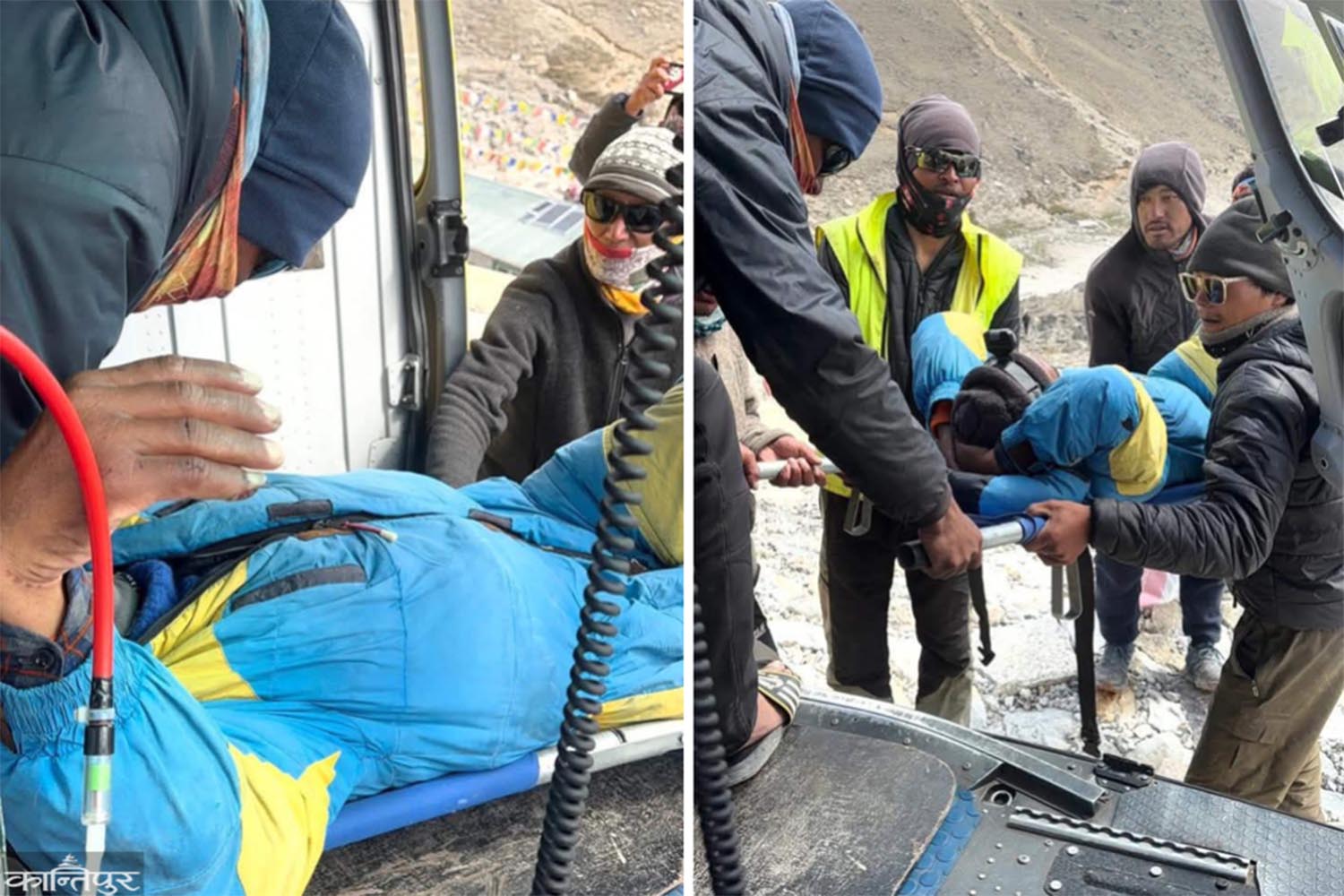
A Sherpa guide who vanished on Mount Everest last week was found alive Thursday, June 4, 2026, crawling toward base camp after six days lost in the Khumbu Icefall—an astonishing survival that has stunned the mountaineering world and reignited debates about the risks Sherpas face as the backbone of Everest expeditions.
Miraculous Survival: How Dawa Sherpa Defied the Death Zone
Dawa Sherpa, 52, was discovered by a cleanup crew from the Sagarmatha Pollution Control Committee, the same team responsible for dismantling climbing routes at the end of the season. According to Pemba Sherpa of 8K Expeditions, who coordinated the search, Dawa was found “slowly sliding down through the icefall”—a condition that would have been fatal for most climbers. His wife, Damu Sherpa, had already begun funeral rituals when news broke that he was alive. “We first heard that he was still alive on the local news and from a person we know who called with the news that… he is being brought down,” she said. The family only confirmed his identity after receiving photos.
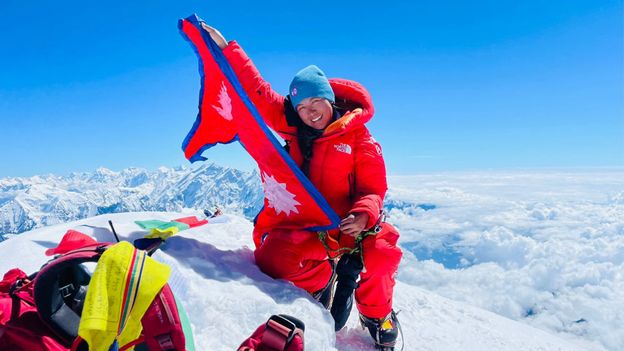
Dawa had been guiding a Polish climber when he went missing on May 29 while descending from near Camp III, at 7,200 meters (23,622 feet), according to expedition officials. The delay in organizing a search—despite helicopters being deployed—left his family believing he was dead. His daughter, Mendo Lhamu Sherpa, recalled the moment they learned he was alive: “When we first heard about it, we could not be sure if that person was indeed our father. So to be certain we asked for photos to be sent and then only we were sure and very happy.”
“This is nothing short of a miracle surviving so many days on the mountains facing such harsh conditions.”
The Khumbu Icefall: A Graveyard That Spared One
The Khumbu Icefall, a labyrinth of shifting ice and crevasses just above base camp, is one of the most treacherous sections of the Everest route. Dawa’s survival there—without food, water, or supplemental oxygen—defies medical understanding. According to the BBC, climbers in the “death zone” (above 8,000 meters) typically lose consciousness within hours without oxygen. Yet Dawa endured for six days, crawling 1,900 meters down to base camp at 5,300 meters. Captain Bibek Khadka, who led the rescue helicopter team, described the scene: “He was found in a condition where he was slowly sliding down through the icefall. It is in itself an astonishing incident.”
Ang Tshering Sherpa, a veteran guide and community leader, attributed Dawa’s survival to the Sherpas’ unique physical and mental resilience. “Sherpas are built tough growing up in the mountains,” he said. “If there was someone else in his place, they might not have survived.” This resilience stems from generations of high-altitude living, but it also masks the growing dangers Sherpas face as commercial climbing booms. Seven climbers and guides have already died this season on Everest and Makalu, highlighting the risks.
A System Under Strain: Why Sherpas Are the Unseen Heroes of Everest
The Sherpa community has long been the lifeblood of Everest expeditions, providing guides, porters, and support staff for foreign climbers. But as commercial climbing has grown—with record numbers attempting the summit each season—their role has become more perilous. The BBC reported in 2025 that Sherpas often face hypoxia (oxygen deprivation) while assisting clients, a condition that impairs judgment. “Many times, clients facing hypoxia become difficult and refuse to listen to what their guide tells them,” noted one expert. This dynamic was likely at play in Dawa’s case, as he was guiding a Polish climber when he went missing.
Dawa works for Himalayan Traverse Adventure Pvt. Ltd., a small Kathmandu-based company that reflects the broader trend of Sherpas working for multiple agencies. His survival raises questions about safety protocols: Why was the search delayed? Why weren’t drones or more aggressive search tactics deployed sooner? Pemba Sherpa of 8K Expeditions acknowledged the delay but did not provide a reason. Meanwhile, the Nepalese government has faced criticism in the past for slow responses to mountaineering emergencies.
What Happens Next: Medical Recovery and the Debate Over Sherpa Safety
Dawa is now at HAMS Hospital in Kathmandu, where he is receiving treatment for frostbite on his fingers. His family, who had begun funeral rites, is relieved but cautious about his long-term prognosis. The rescue operation—conducted by a helicopter from Altitude Air—was a race against time, with the team moving from Everest Base Camp up to Camp III before airlifting him to safety.
Beyond Dawa’s recovery, his survival has reignited debates about Sherpa safety. While their expertise is invaluable, the risks they take—often without adequate insurance or recognition—remain a contentious issue. Ang Tshering Sherpa framed it bluntly: “This miracle should not be the norm.” The incident also underscores the need for better emergency protocols, including faster search-and-rescue responses and improved oxygen support for guides working at extreme altitudes.
A Community’s Resilience—and a Call for Change
Dawa’s story is a testament to the Sherpa spirit, but it also serves as a wake-up call. The community has historically been overlooked in discussions about Everest’s dangers, yet they bear the brunt of the risks. As the climbing season ends and the route is dismantled, Dawa’s survival offers a moment of hope—but also a reminder of how much more needs to be done to protect those who make the summit possible.
The next 30 days will be critical: Will Nepal’s mountaineering authorities implement stricter safety measures? Will Sherpa-led advocacy groups push for better insurance and compensation? And most importantly, will Dawa’s recovery lead to systemic changes—or will it be forgotten as the next climbing season begins?
One thing is certain: Dawa Sherpa’s survival is a miracle. But in the world of Everest, miracles should not be the only thing standing between Sherpas and tragedy.
