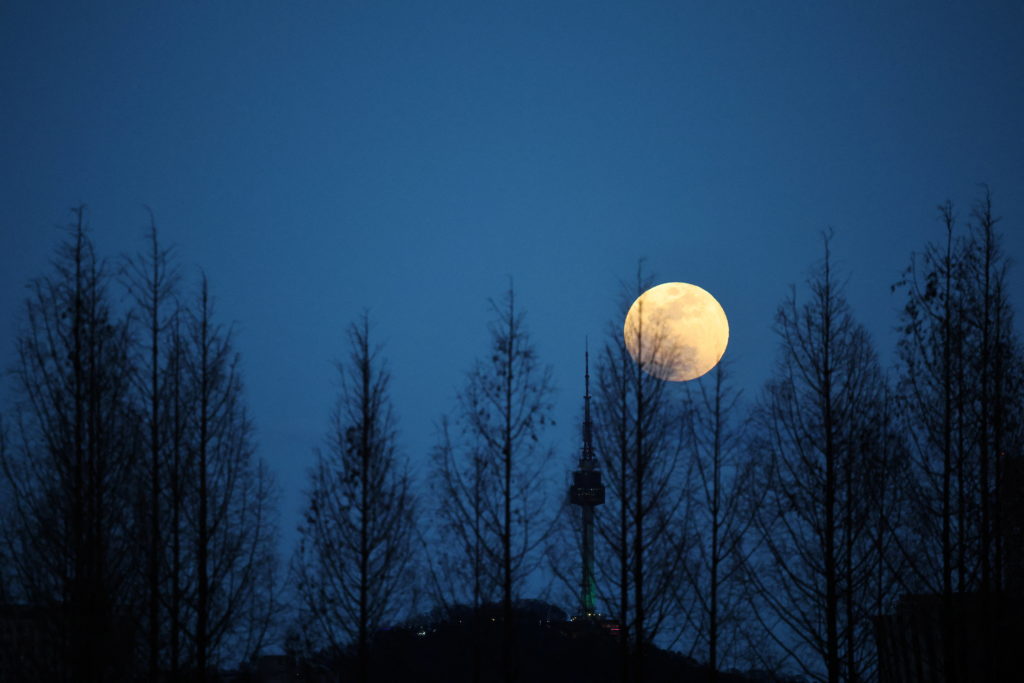
On Sunday, May 31, 2026, a rare blue micromoon will reach its peak, offering a celestial spectacle that combines the second full moon of May with the moon’s farthest orbital point from Earth. The event, which occurs roughly every 2.5 years, will see the moon appear 6% smaller and 10% dimmer than average, according to Gianluca Masi of the Virtual Telescope Project, who will host a live webcast from Italy. Antares, the “heart of scorpion” in the constellation Scorpius, will briefly vanish behind the moon for observers in the Southern Hemisphere, while stargazers elsewhere will see the star glinting beside the full moon.
What’s a Blue Micromoon?
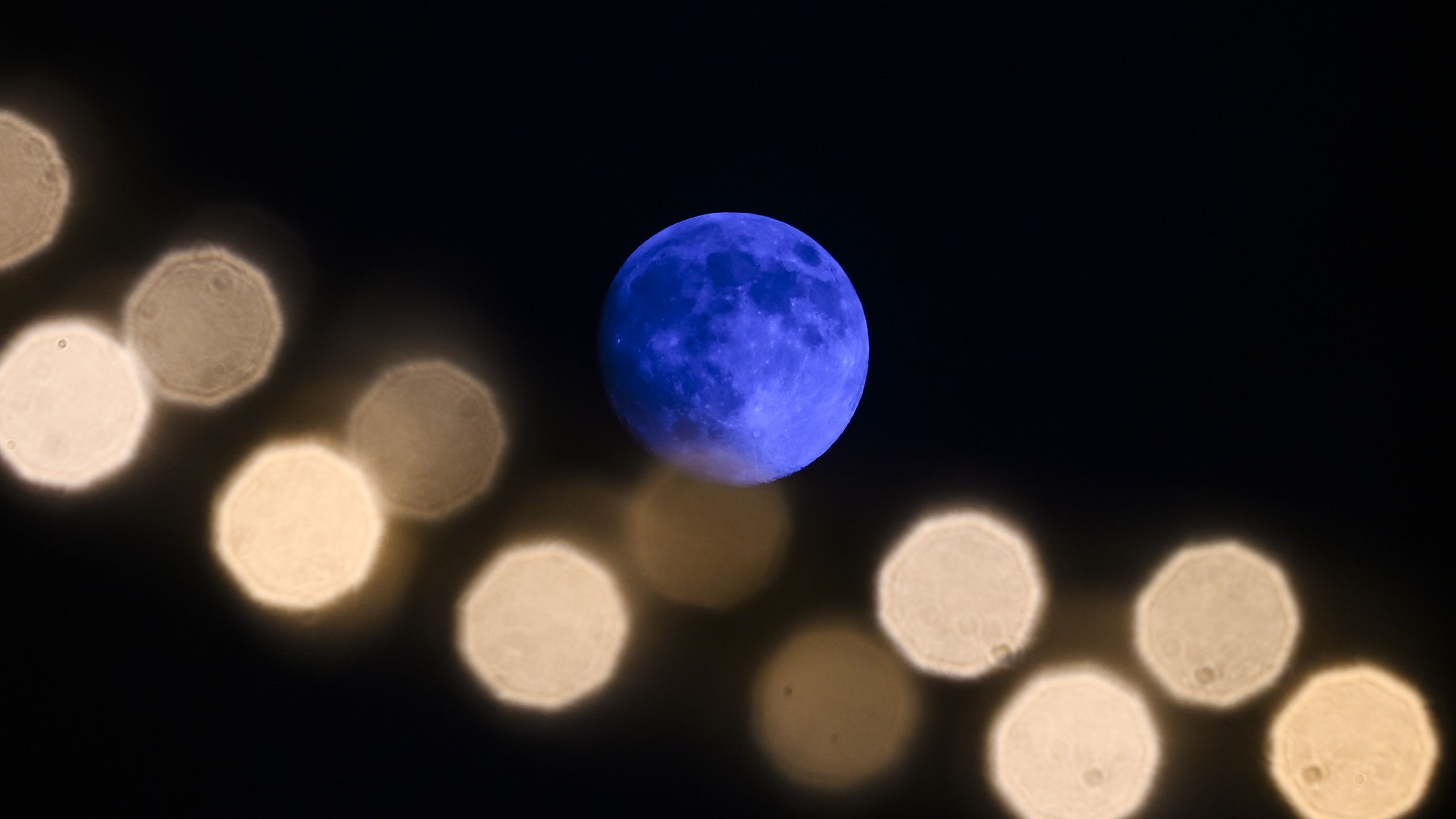
The term “blue moon” is a misnomer; the moon will not appear blue. Instead, it refers to the second full moon in a single calendar month, a phenomenon that occurs every two to three years. This event is also a “micromoon,” meaning it will be at apogee—the farthest point in its elliptical orbit from Earth—at 252,360 miles (406,135 kilometers), making it 10% dimmer and 6% smaller than an average full moon. The last supermoon, in contrast, was just 225,130 miles (362,312 kilometers) away, highlighting the stark difference between the two lunar extremes.
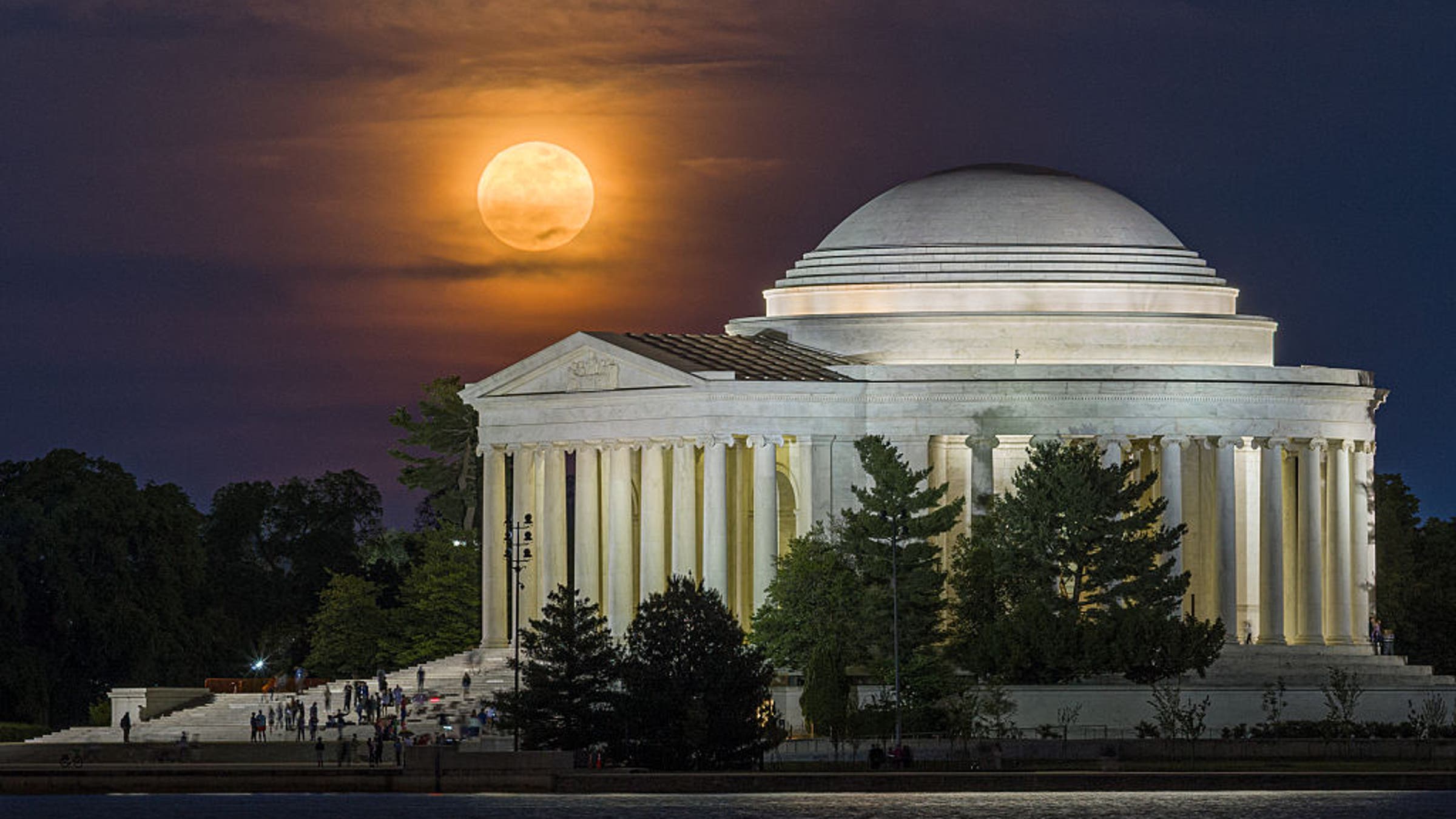
“Differences that are subtle enough to likely go unnoticed by most observers,” Masi told PBS, noting that the micromoon’s size and brightness changes will be difficult to detect without precise measurements. The event’s rarity and the interplay of astronomical factors make it a rare opportunity for both casual stargazers and astronomers.
Where and When to Observe
The blue micromoon will peak at 4:45 a.m. EDT (0845 GMT) on May 31, but viewers in the U.S. will first glimpse it rising above the eastern horizon around sunset on May 30. For optimal viewing, Space.com recommends using binoculars like the Celestron UpClose G2 10×50, which costs around $50 and provides a stable, close-up view of the moon’s surface. The red supergiant star Antares will be visible near the moon’s lower left, while Jupiter, Venus, and Mercury will form a line above the western horizon during sunset.
“The scene will be especially thrilling south of the equator across the Pacific,” PBS noted, as Antares will temporarily disappear behind the moon for observers in Argentina, Chile, New Zealand, and eastern Australia. In other regions, the star will remain visible alongside the moon, offering a striking contrast of colors: the moon’s pale glow against Antares’ fiery red light.
Historical Context and Terminology
The term “blue moon” has evolved over time. Originally, it referred to the third of four full moons in a single season, a definition that dates back to a 1946 issue of *Sky and Telescope* magazine. The modern usage—signifying the second full moon in a month—emerged later, though it remains a source of confusion. Time Magazine clarified that the May 31 event does not qualify as a “blue moon” under the seasonal definition, which applies to the third full moon in a four-moon season.
“A blue moon is not actually blue in color; the name simply refers to the rarity of the phenomenon,” Time wrote, emphasizing that the term’s popularity has outpaced its technical accuracy. The article also highlighted the moon’s apogee distance, noting that it is about 13,500 miles (21,700 kilometers) farther from Earth than the average lunar distance of 238,900 miles (384,472 kilometers).
Implications for Astronomy and Public Engagement
The event underscores the intersection of astronomy and public interest, with live webcasts and accessible tools like binoculars democratizing the experience. Masi’s webcast, for instance, will allow global audiences to witness the micromoon’s subtle details, including the faint orange-red hues of the moon during moonrise and moonset. Such efforts not only educate but also inspire curiosity about celestial mechanics.
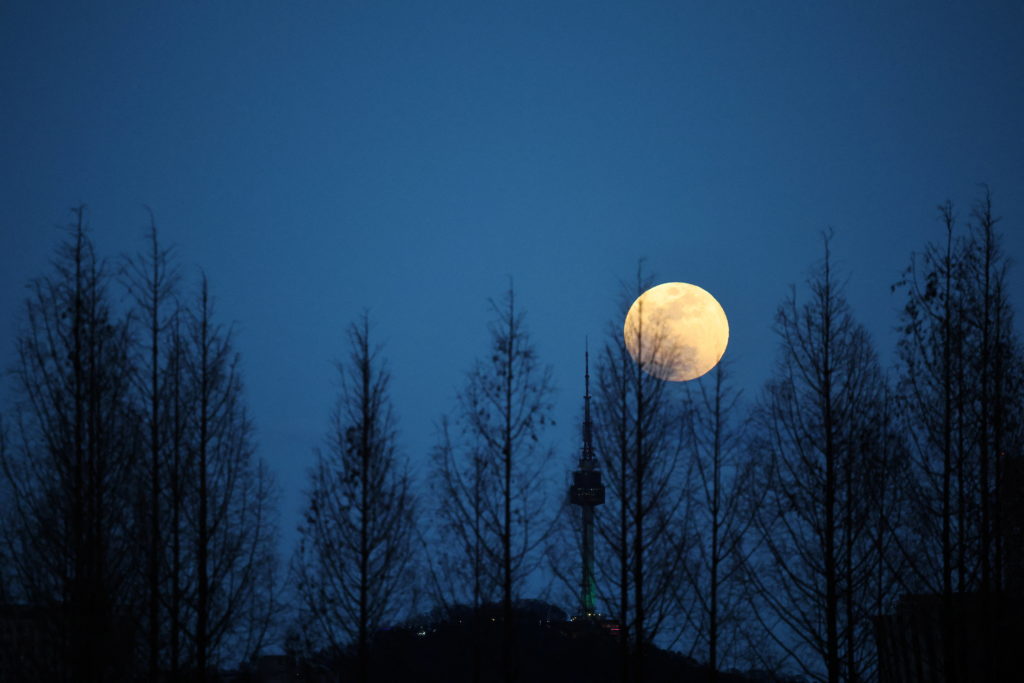
For amateur astronomers, the blue micromoon serves as a reminder of the moon’s dynamic orbit. Its apogee and perigee (closest point) create a 30,000-mile (48,000-kilometer) variation in distance, affecting its apparent size and brightness. While the differences are minor to the naked eye, they highlight the moon’s elliptical path and the broader principles of orbital dynamics.
As the event approaches, the combination of historical terminology, astronomical precision, and public engagement makes the May 31 blue micromoon a unique moment to observe. Whether through a telescope, binoculars, or the naked eye, the spectacle offers a chance to connect with the rhythms of the cosmos.
<a href="https://www.p
