Oil hits $100 a barrel after Iran-backed Houthis ‘strike two tankers’ in Red Sea
Oil hits $100 a barrel after Iran-backed Houthis ‘strike two tankers’ in Red Sea
- Headline Dispatch: Oil hits $100 a barrel after Iran-backed Houthis ‘strike two tankers’ in Red Sea
- Core Takeaway: Oil hits $100 a barrel after Iran-backed Houthis ‘strike two tankers’ in Red Sea
- Source Synthesis: Continuous live monitoring aggregated across major news wires and independent bureaus.
Oil hits $100 a barrel after Iran-backed Houthis ‘strike two tankers’ in Red Sea
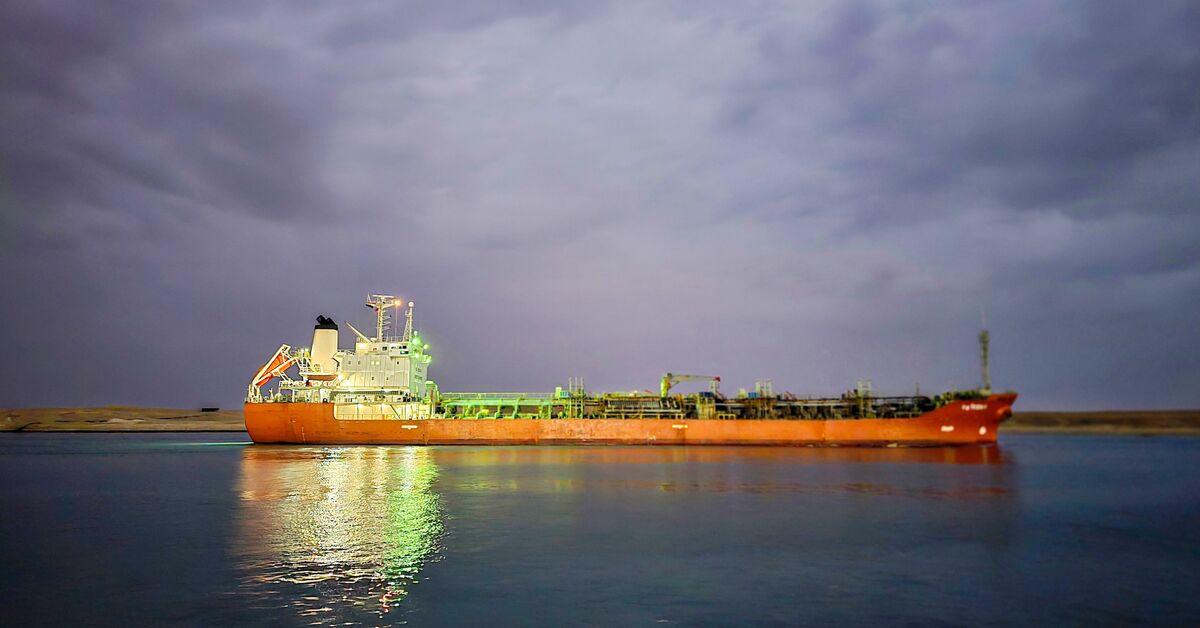
The Iran-backed Houthi rebels in Yemen have claimed responsibility for striking two Saudi oil tankers in the Red Sea, causing a significant surge in oil prices. The attack on the tankers, identified as the Encelia and the Layla, has resulted in a fire on board the Encelia, according to the Saudi Press Agency. The incident has sparked concerns about the safety of global shipping and the potential disruption to oil supplies.
The Houthi rebels announced a maritime blockade on Saudi Arabia earlier this week, citing the need to retaliate against a Saudi missile strike on Sanaa International Airport. The blockade has already led to several tankers changing course to avoid the Bab el-Mandeb Strait, a critical waterway that connects the Red Sea to the Gulf of Aden. The strait is a key route for oil exports from the Middle East, and any disruption to shipping in the area could have significant implications for global energy supplies.
The United States has condemned the Houthi attacks, with President Donald Trump vowing to hold Iran accountable for any further attacks by the rebel group. Trump has also threatened to inflict "major military punishment" on Iran and the Houthis if they continue to target ships in the region. The US has already launched 12 consecutive nights of airstrikes on Iran, targeting military assets and infrastructure.
The situation in the region remains volatile, with Iran's Revolutionary Guards warning that they will target regional oil, gas, electricity, and economic infrastructure if the US continues to attack their assets. The conflict has already resulted in the deaths of 18 US service members and injured over 450 troops, with the US spending over $37 billion on the war so far.
The oil price surge has been driven by concerns about the potential disruption to oil supplies, with Brent crude rising above $100 a barrel for the first time since May. The price increase is expected to have a significant impact on global energy markets, with the potential for higher gasoline prices and increased costs for consumers.
The Houthi attacks on the tankers have also raised concerns about the safety of global shipping, with the European Union condemning the attacks as "irresponsible". The incident has highlighted the risks associated with shipping in the region, with several tankers already changing course to avoid the Bab el-Mandeb Strait.
The US has been working to negotiate a deal with Iran to end the conflict, but so far, no agreement has been reached. The US Secretary of State, Marco Rubio, has expressed hope that the situation will de-escalate soon, but the conflict shows no signs of easing. The US has also been working with other countries in the region to find a solution to the conflict, with the Association of Southeast Asian Nations meeting in Manila to discuss the situation.
The conflict has also had a significant impact on the global economy, with the potential for higher energy costs and increased inflation. The situation remains fluid, with the potential for further escalation or de-escalation in the coming days. As the situation continues to unfold, the world will be watching closely to see how the conflict develops and what impact it will have on global energy markets.
In the meantime, the US and other countries are working to find a solution to the conflict, with the potential for diplomatic efforts to resolve the situation. The US has already launched airstrikes on Iran, and the conflict shows no signs of easing. The situation remains volatile, with the potential for further escalation or de-escalation in the coming days.
Global Implications
The conflict in the Middle East has significant implications for global energy markets, with the potential for higher energy costs and increased inflation. The situation remains fluid, with the potential for further escalation or de-escalation in the coming days. As the situation continues to unfold, the world will be watching closely to see how the conflict develops and what impact it will have on global energy markets.
The US and other countries are working to find a solution to the conflict, with the potential for diplomatic efforts to resolve the situation. The US has already launched airstrikes on Iran, and the conflict shows no signs of easing. The situation remains volatile, with the potential for further escalation or de-escalation in the coming days.
The global economy is already feeling the effects of the conflict, with higher energy costs and increased inflation. The situation remains fluid, with the potential for further escalation or de-escalation in the coming days. As the situation continues to unfold, the world will be watching closely to see how the conflict develops and what impact it will have on global energy markets.
What's Next
The situation in the Middle East remains volatile, with the potential for further escalation or de-escalation in the coming days. The US and other countries are working to find a solution to the conflict, with the potential for diplomatic efforts to resolve the situation. The US has already launched airstrikes on Iran, and the conflict shows no signs of easing.
The global economy is already feeling the effects of the conflict, with higher energy costs and increased inflation. The situation remains fluid, with the potential for further escalation or de-escalation in the coming days. As the situation continues to unfold, the world will be watching closely to see how the conflict develops and what impact it will have on global energy markets.
The US Congress is also taking action, with the House of Representatives voting to require congressional approval for the war. The resolution is symbolic and not sent to the White House, but it reflects the growing frustrations of many lawmakers over the cost of the war and the lack of transparency from the administration.
The situation in the Middle East remains complex and complex, with the potential for further escalation or de-escalation in the coming days. The world will be watching closely to see how the conflict develops and what impact it will have on global energy markets. As the situation continues to unfold, the potential for diplomatic efforts to resolve the situation remains, but the conflict shows no signs of easing.
How significant is this development?
Participate in our community survey on the trajectory and real-world impact of this news.