Trump plans tariffs on imported generic drugs to reshore production
President Donald Trump announced plans to impose steep tariffs on imported generic drugs to force pharmaceutical companies to reshore production into America.
- Headline Dispatch: Trump plans tariffs on imported generic drugs to reshore production
- Core Takeaway: President Donald Trump announced plans to impose steep tariffs on imported generic drugs to force pharmaceutical companies to reshore production into America.
- Source Synthesis: Continuous live monitoring aggregated across major news wires and independent bureaus.
Trump plans tariffs on imported generic drugs to reshore production
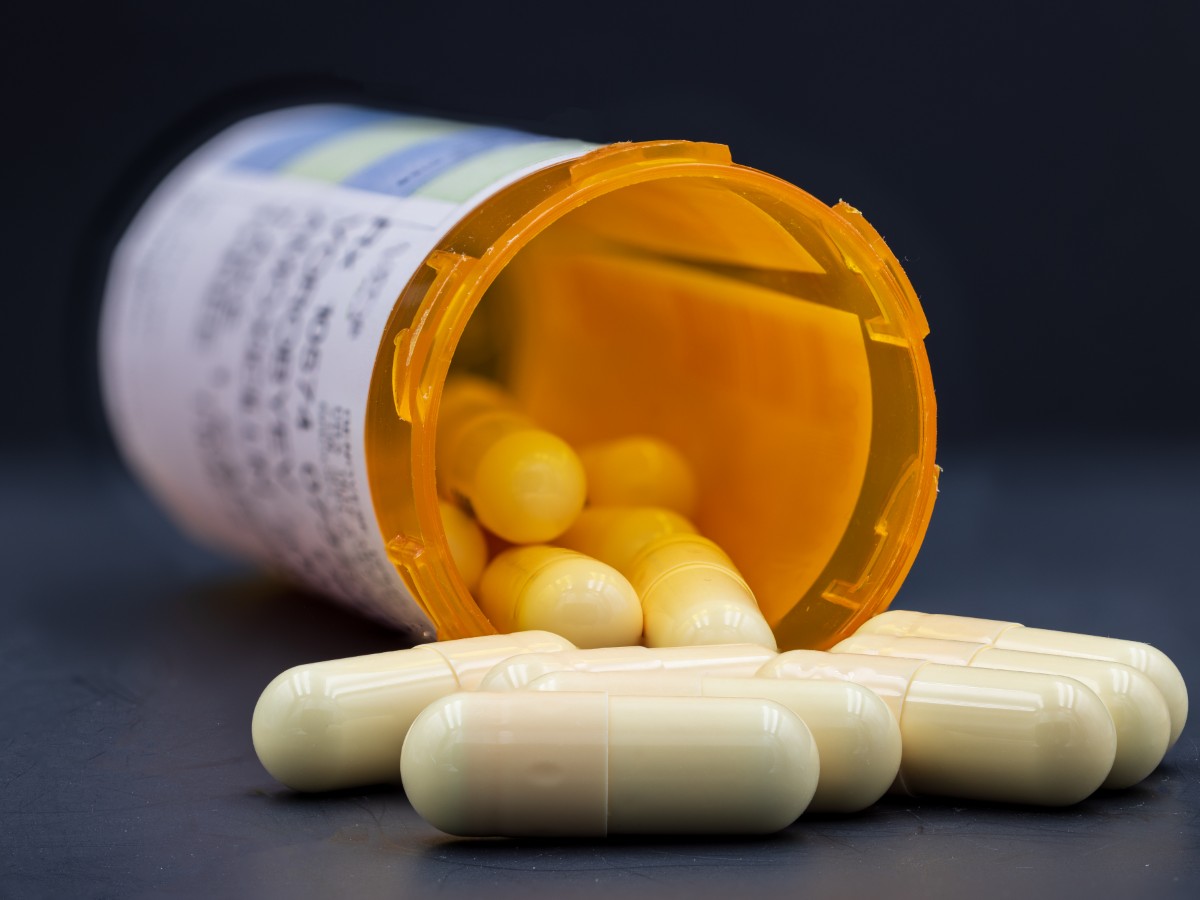
President Donald Trump announced plans on July 21 to impose steep tariffs on imported generic drugs to force pharmaceutical companies to RESHORE Generic Pharmaceutical Production into America
. According to a Truth Social post, all imported generic drugs will face a 100 percent tariff starting August 1, 2028, with levies increasing to 200 percent from August 1, 2029, onward.
The policy excludes patented, branded, or innovative drugs, which Trump said will remain unchanged. However, generic medications are the backbone of the U.S. Healthcare system; the Food and Drug Administration (FDA) reports that nine out of 10 prescriptions filled in the U.S. Are for generics.
Supply Chain Vulnerabilities
Industry experts warn that the move could trigger severe shortages of essential medicines. Rena Conti, a professor of markets, public policy and law at Boston University, told Newsweek that two years is insufficient time for domestic manufacturers to meet demand, which could cause generic drug shortages or aggravate existing shortages
and raise costs for insurers and patients.
The U.S. Relies heavily on foreign manufacturing for these low-cost alternatives. A State Department report notes that about 50 percent of all U.S. Generic prescriptions are filled by products made in India, including antiretrovirals, oncology generics, diabetes medications, cardiovascular drugs, and antibiotics. Additionally, the U.S. Imports approximately 17 percent of its active pharmaceutical ingredients (API) from China.
FDA 2025 data on API manufacturing facilities highlights the scale of this dependence: only 9 percent of such facilities are in the U.S., compared to 44 percent in India and 22 percent in China.
Impact on Global Manufacturers
The proposal has already rattled international markets. Sandoz Group AG shares fell as much as 4.2 percent in Zurich on Wednesday, and the NSE Nifty Pharma index of 20 Indian drugmakers dropped as much as 1.9 percent in Mumbai. Sun Pharmaceutical Industries Ltd. Also saw a decline of up to 1.9 percent.
For Indian firms, the stakes are high. Pharmaceuticals are among India's top three exports to the U.S., totaling $10.5 billion in 2024-25. A Bloomberg News analysis of Symphony Health data suggests that commonly prescribed treatments for depression, hypertension, and oral contraceptives are most at risk. In 2024, two India-based firms—Lupin Ltd. And Glenmark Pharmaceuticals Ltd.—manufactured roughly 65 percent of all U.S. Pill prescriptions for birth control.
Critics argue that the low-margin nature of generics makes reshoring economically unfeasible. Nathan Gray, a senior research fellow at the Institute for International Trade at Adelaide University, stated that the decision will lead to reduced access because companies won’t be able to make them as affordable
.
"We sell a packet of antibiotics in the US more cheaply than a packet of M&M's,"
Saynor warned last year that tariffs would not spur manufacturing moves but would instead lead companies to stop supplying vital medicines to the U.S. Vishal Manchanda, an analyst with Systematix Group, added that building a new plant typically takes at least three years, exceeding the president's timeline.
Broader Pharmaceutical Strategy
The generic tariff plan is an expansion of Trump's broader efforts to reduce drug costs and increase domestic production. The administration has already launched TrumpRx, a direct-to-consumer discount platform, and implemented a most favored nation
pricing policy to align U.S. Drug prices with cheaper rates found abroad.
Previously, the administration targeted patented drugs. In September, Trump announced 100 percent tariffs on patented medicines unless manufacturers built U.S. Factories. This led to a series of agreements and investments, with a White House tally citing $448 billion in manufacturing expansions as of April, including $50 billion each from Roche Holding AG and AstraZeneca Plc.
Some Indian companies may find a reprieve through a February trade pact, which stipulated that India would receive negotiated outcomes with respect to generic pharmaceuticals and ingredients
.
Next Steps
The industry is currently awaiting a formal executive order to determine if the Truth Social announcement will become official policy. In the immediate term, the White House is working to replace emergency duties after a Supreme Court ruling deemed them unlawful; an across-the-board rate of 10 percent is set to expire this Friday, with new levies on various trading partners expected before the week concludes.
How significant is this development?
Participate in our community survey on the trajectory and real-world impact of this news.