Trump promotes child investment accounts amid funding delays
The Trump administration is championing a government-backed investment initiative for children, though some parents report delays in receiving seed funds.
- Headline Dispatch: Trump promotes child investment accounts amid funding delays
- Core Takeaway: The Trump administration is championing a government-backed investment initiative for children, though some parents report delays in receiving seed funds.
- Source Synthesis: Continuous live monitoring aggregated across major news wires and independent bureaus.
Trump promotes child investment accounts amid funding delays
President Donald Trump is traveling to a Georgia high school on Wednesday to promote Trump Accounts, a government-backed investment initiative designed to provide children with a stake in the stock market. The program offers $1,000 in seed money for every child born during the president's second term.
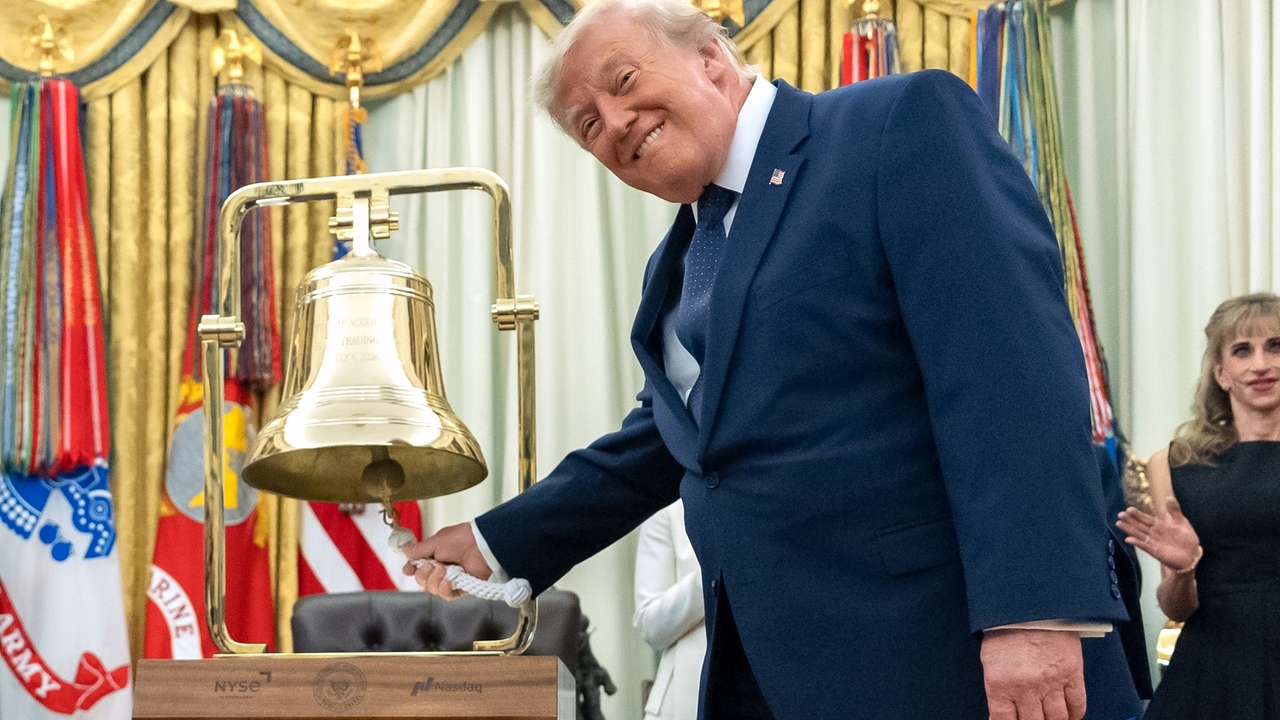
Established last year via the One Big Beautiful Bill, these tax-advantaged accounts are available to any child under the age of 18, regardless of family income. The Treasury Department reports 6.5 million total sign-ups, including 1.5 million eligible for the $1,000 seed funding for children born between 2025 and 2028. The accounts officially went live on July 4, two days before the president rang the opening bells for the Nasdaq and the New York Stock Exchange from the Oval Office on July 6, 2026.
The initiative aims to elevate children out of poverty and expand stock market participation among Americans. Supporters suggest the program may counter the popularity of democratic socialists who advocate for higher taxes on the wealthy and corporations to reduce costs for healthcare and food for middle- and low-income citizens.
Once established, accounts can receive contributions from employers, friends, relatives, and parents. Some billionaires have also pledged philanthropic gifts. These funds are managed by private firms and invested in index funds. The capital remains inaccessible until the child reaches 18, at which point it may be used for specific purposes, including buying a home, starting a business or attending school.
Despite the promotion, some parents report delays in receiving the initial $1,000 Treasury deposit. Masaki and Kristina McLellan of Bergen County, New Jersey, said they signed up for their daughter, Maya, who was born in late March. Masaki McLellan applied on July 6 and, after an initial rejection and an hour on a hotline, was told the account was active. While initially told the money would arrive in 10 days, he later reported being told it could take up to four weeks.
The Treasury Department described this lag as standard processing time, like receiving a tax refund
. The department stated that the majority of parents wait only one to two days, but that they provide conservative estimates, such as four weeks, to managing expectations.
The Treasury Department further characterized the program as the most successful government-backed savings product in the history of the U.S., noting roughly 1 million sign-ups per month prior to launch. The department stated that the accounts level the playing field by allowing every parent to invest in their children’s future, not just wealthy families with trust funds
.
Critics argue the program fails to assist families during a child's first years, a period when hunger, homelessness and poverty are most prevalent. Additionally, opponents point out that the One Big Beautiful Bill also reduced funding for the Supplemental Nutrition Assistance Program and Medicaid, both of which are disproportionately used by children.
The push for Trump Accounts coincides with economic pressure on the president ahead of midterm elections. A June survey by the Associated Press-NORC Center for Public Affairs Research found that 33% of U.S. Adults approve of Trump's economic leadership. While the president pledged to reduce costs, the report notes that his war in Iran and tariffs have contributed to price increases.
The Trump Accounts model shares similarities with "baby bonds" used in some Democratic-led states and cities to reduce the wealth gap, though the federal program is open to all income levels rather than targeting disadvantaged backgrounds.
How significant is this development?
Participate in our community survey on the trajectory and real-world impact of this news.