Wall Street ends down as US-Iran peace optimism fades
US equities retreated from record highs Tuesday as fading peace optimism regarding Iran sparked oil price volatility and weighed on major indexes.
- Headline Dispatch: Wall Street ends down as US-Iran peace optimism fades
- Core Takeaway: US equities retreated from record highs Tuesday as fading peace optimism regarding Iran sparked oil price volatility and weighed on major indexes.
- Source Synthesis: Continuous live monitoring aggregated across major news wires and independent bureaus.
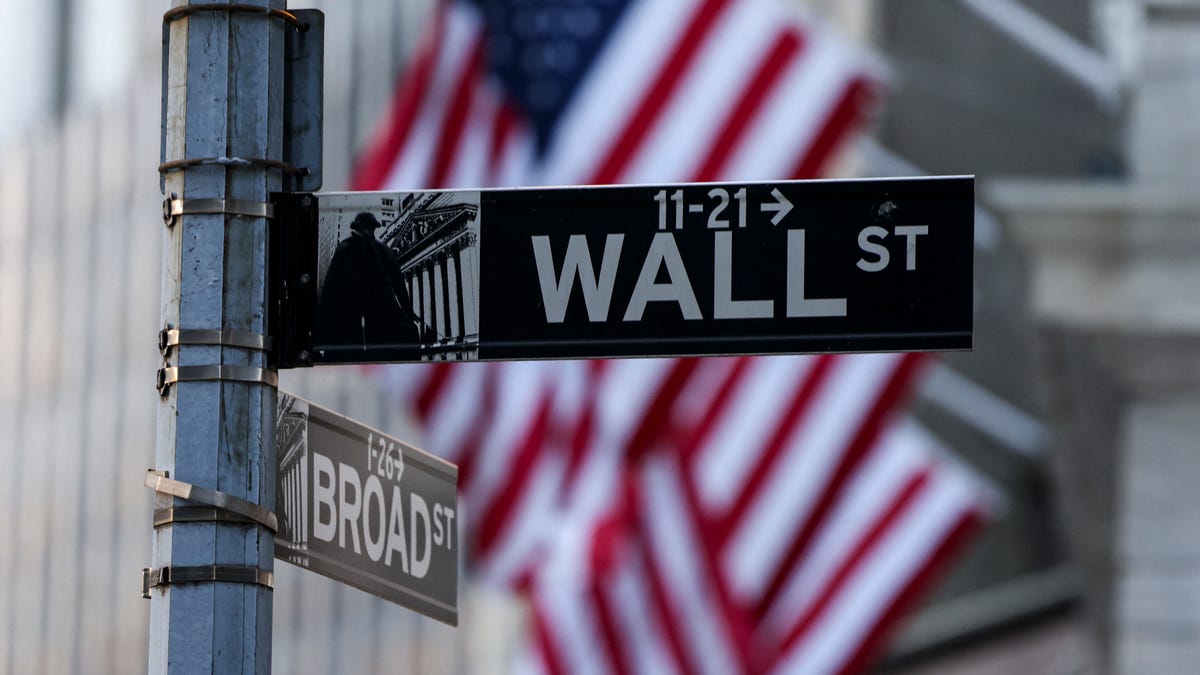
Wall Street ends down as US-Iran peace optimism fades
U.S. Equities slipped further from record levels on Tuesday, as investors grew more pessimistic regarding a diplomatic resolution to the conflict with Iran.
The newly appointed secretary of Iran's Supreme National Security Council stated that the Strait of Hormuz will remain closed unless the U.S. Changes its behavior and accepts Iranian conditions to end the war. This closure follows attacks by the United States and Israel on Iran in late February, which have trapped significant global oil supplies in the region.
Brent crude futures experienced choppy trading, briefly jumping above $90 in the morning before falling below $87 and eventually settling at $88.91, an increase of 1.4% from Monday. The price of Brent has seen extreme volatility recently, veering between $72 and $102 per barrel last month alone. Within the equity markets, the S&P 500 energy sector index climbed 1.1%.
Ross Mayfield, an investment strategy analyst at Baird in Louisville, Kentucky, noted that it has been difficult for months to reach an agreement that satisfies all parties.
Mayfield added that while the market has gyrated around the conflict, it has not yet become the major headwind many anticipated."Oil is a little higher, pricing in more uncertainty around that,"
Ross Mayfield, investment strategy analyst at Baird, via detroitnews.com
Market Performance and Corporate Movers
The major indexes all closed lower on Tuesday:
- The S&P 500 fell 24.91 points to 7,728.20, a 0.3% decline.
- The Dow Jones Industrial Average dipped 184.13 points, or 0.34%, to 53,791.85.
- The Nasdaq composite sank 159.91 points, or 0.6%, to 26,445.45.
Large-cap tech companies weighed heavily on the S&P 500 and Nasdaq, with Alphabet falling 3.8%, Amazon dipping 2.1%, and SpaceX declining almost 4%. Despite these losses, signs that Amazon and Microsoft's heavy investments in AI data centers are yielding results have supported overall sentiment. The Nasdaq remains down about 2% from its record high close on June 2.
In contrast, alternative asset managers saw gains. Apollo Global rose 6.2% and Blackstone rallied almost 4%. Both firms recently partnered with Nvidia to create compute-financing platforms intended to mobilize more than $500 billion.
Other notable stock movements included:
- On Holding tumbled 20.3% after missing sales estimates and providing a revenue forecast that fell short of expectations, despite reporting a better-than-expected profit.
- Venture Global fell 7.3% following a slight miss in second-quarter revenue.
- Aramark rallied 8.5% on stronger-than-expected profit and revenue.
- Jabil climbed 5.9% following a UBS upgrade to
buy
fromneutral
. - Cardinal Health added 1.3% after exceeding profit expectations.
Trading volume was relatively light, with 15 billion shares traded compared to a 20-session average of 17.6 billion.
Inflation and Federal Reserve Outlook
Rising energy costs have increased inflation concerns and complicated the policy paths for global central banks. AAA reports that the average cost for a gallon of regular gasoline has reached $4.01, up from less than $3.14 a year ago.
Attention is now focused on the U.S. Government's inflation reading due Wednesday. Economists expect the data to show that while inflation remains high, it decelerated to 3.4% in July from 3.5% in June.
This data is critical for the Federal Reserve, where members are split on whether to raise interest rates. Chair Kevin Warsh has expressed a goal of reducing guidance on monetary policy. According to the CME FedWatch tool, traders are split—essentially a coin flip—on whether the Fed will raise its main interest rate at the September meeting. Such a move would be the first increase in more than three years and could conflict with lobbying from President Donald Trump for lower rates.
The volatility has also impacted the bond market. The 10-year Treasury yield eased to 4.69% on Tuesday from 4.72% on Monday, but remains significantly higher than the 3.97% level seen before the war with Iran. This has pushed long-term mortgage rates to their highest levels in a year.
Despite these headwinds, S&P 500 companies are on track for earnings per share to be 50% higher than a year earlier, according to FactSet, which helped the index reach all-time highs last week.
How significant is this development?
Participate in our community survey on the trajectory and real-world impact of this news.