
The Mariners’ star catcher Cal Raleigh surprised his teammates by returning to Seattle on Saturday night, appearing in the dugout during a 5-1 win over the Diamondbacks—his first time back since traveling to Arizona last week to rehab an oblique injury. The moment marked a rare glimpse of Raleigh’s progress, as he balances rehab milestones with the emotional toll of missing his team.
Why Raleigh’s Return Was a Rare Gift
Raleigh’s arrival in the fifth inning—delayed due to a rescheduled morning workout—was a jolt for teammates who had spent days wondering when he’d return. “I knew he was going to show up,” reliever Bryan Woo told MLB.com, “but I thought he’d get here before the game.” The surprise wasn’t just the timing; it was the sight of Raleigh, a player known for playing through pain, finally taking a step back to focus on recovery. His oblique injury, which first flared in May, had forced him onto the injured list for the first time in his career—a humbling shift for a player who thrives on durability.

For Raleigh, the dugout visit was a brief but meaningful respite from the isolation of rehab. “It was good to get down there and focus on what I needed to focus on,” he said, “but I miss the guys. I miss being here each day.” The emotional weight of his absence was palpable, especially after watching games on TV—a “Twilight Zone” feeling, as he described it. “It’s really hard watching the games on TV and not being there,” he added. “It makes you appreciate it a little more when you’re that far away.”
The Rehab Grind: A Switch-Hitter’s Unique Challenge
Raleigh’s injury isn’t just a physical setback; it’s a technical one. As a switch-hitter, his oblique strain manifests differently depending on the side of the plate. Hitting right-handed aggravates the injury early in the swing, while left-handed swings strain it at the end. This duality complicates rehab, forcing him to approach swings with precision. In Arizona, he began throwing on Monday and hit off a tee for the first time on Friday, taking 15 moderate-intensity swings from each side. “Felt really good, really promising,” he said. “Didn’t feel anything.”
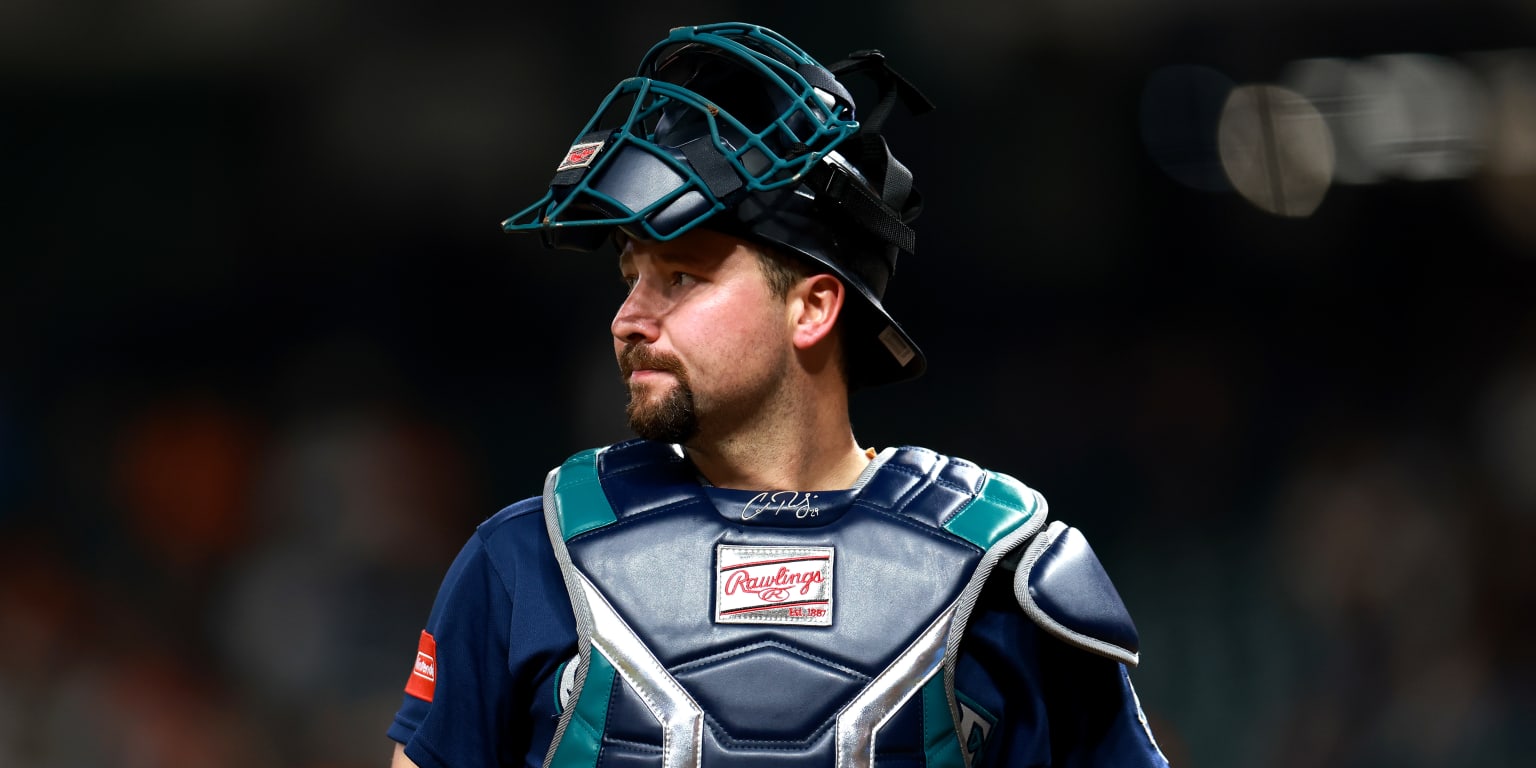
Yet progress isn’t linear. Raleigh’s rehab plan is fluid, with today’s schedule focused on monitoring and light work, while tomorrow’s intensity will ramp up. By Wednesday, he hopes to have a clearer timeline—though nothing is set in stone. “These next two days will be pretty telling,” he said. “Ramping up the baseball slowly but surely, checking boxes.” The Mariners’ training staff, led by head athletic trainer Kyle Torgerson, is closely tracking his progress, but Raleigh’s optimism is tempered by the reality of oblique injuries. Luke Raley, a teammate with a similar history, warned him of the injury’s unpredictability—a lesson Raleigh is acutely aware of.
One silver lining? Raleigh believes he’s turned a corner mentally. “The first couple days [in Arizona] didn’t feel real,” he admitted. “Once I got there, it was like the acceptance stage.” The change in scenery, away from the daily grind of Seattle, helped reset his mindset. Now, the focus is on controlled progress: “It’s control what you can control.”
What’s Next? The Mariners’ Injury Crisis and Raleigh’s Road Back
Raleigh’s return coincides with the Mariners’ deepest injury crisis of the season. Beyond him, utilityman Brendan Donovan and reliever Carlos Vargas are also rehabbing, while prospects like Brock Rodden and Michael Arroyo face their own setbacks. General manager Justin Hollander’s Friday update highlighted the team’s broader struggles, with Vargas awaiting MRI results to finalize his throwing program, Donovan progressing through rehab assignments, and Wilson (left thumb fracture) nearing a return. The Mariners’ depth chart is stretched thin, and Raleigh’s absence has been particularly costly—he’s been the team’s most reliable catcher, leading MLB in caught stealing percentage (.456) before the injury.

For Raleigh, the next steps hinge on two critical questions: When will he return? And will it be for good? His current optimism suggests he’s close to wrapping up his Arizona stint, but the Mariners’ training staff will dictate the pace. “I think for the most part, I’ll probably be up here for good,” he said, though the caveat—”still up in the air”—lingers. Oblique injuries often demand patience, and Raleigh’s history of pushing through pain complicates the timeline. If he returns, it won’t be a full-throttle comeback; it’ll be a measured return, with the team and player alike walking a tightrope between urgency and caution.
The Human Cost: What Raleigh’s Injury Reveals About the Mariners’ Culture
Raleigh’s injury isn’t just a physical setback; it’s a cultural one. The Mariners have long prided themselves on resilience, but the cumulative toll of injuries—especially among key players—exposes the limits of that ethos. Raleigh’s dugout appearance was more than a feel-good moment; it was a reminder of what the team has lost. His absence has forced younger catchers like Miles Mastrobuoni into action, accelerating their development but also highlighting the Mariners’ lack of depth at the position.
Yet there’s a deeper lesson here: the cost of always playing through pain. Raleigh’s injury, like those of Vargas and Donovan, underscores a broader trend in baseball—a sport where durability is prized, but the human cost is often invisible. The Mariners’ front office, led by Hollander, has been proactive in managing workloads, but the injury bug persists. Raleigh’s return, when it comes, won’t just be about baseball; it’ll be about reclaiming a piece of the team’s identity that’s been missing.
Looking Ahead: The Mariners’ Playoff Push and Raleigh’s Role
The Mariners sit at .500 with a six-game homestand ahead, a critical stretch in their playoff push. Raleigh’s return—if it happens soon—could be a turning point. But the team’s injury woes extend beyond him. Carlos Vargas, a key late-inning arm, remains sidelined, and Donovan’s versatility is sorely missed. The Mariners’ rotation, already thin, could face further strain if Vargas isn’t back by mid-June.
For Raleigh, the next two days are pivotal. If his rehab checks the boxes, he could rejoin the team as early as next week—but the Mariners’ training staff will move cautiously. His return won’t be a dramatic home run; it’ll be a series of small victories, each step proving he’s ready. And when he does return, the dugout’s reaction won’t be just relief. It’ll be the quiet acknowledgment that, for a team built on grit, some battles are worth fighting—and some, like this one, are worth waiting for.
One thing is certain: Raleigh’s journey back won’t be a solo act. It’s a team effort—one that begins with the Mariners’ training staff, continues with his teammates’ support, and ends with his own determination. And if Saturday’s dugout appearance is any indication, the best part of his return won’t be the statistics. It’ll be the smiles.
