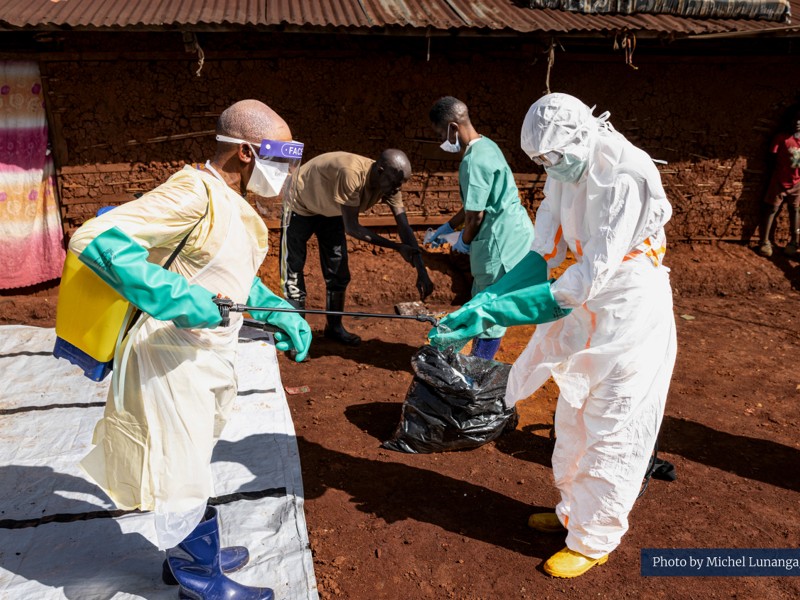
The Coalition for Epidemic Preparedness Innovations (CEPI) announced on June 1, 2026, that it is accelerating development of three experimental vaccines targeting the rapidly spreading Bundibugyo ebolavirus outbreak in the Democratic Republic of Congo (DRC) and Uganda. With over 900 suspected cases and 220 deaths, the World Health Organization (WHO) declared the outbreak a Public Health Emergency of International Concern (PHEIC), prompting an urgent race to develop vaccines before the virus spreads further.
Why This Outbreak Demands a New Vaccine
The Bundibugyo ebolavirus, a lesser-known cousin of the more infamous Zaire ebolavirus, has now caused the third-largest filovirus outbreak in history. Unlike its better-studied relative, there are no licensed vaccines or treatments for Bundibugyo—making this CEPI’s first major push to develop a vaccine for a filovirus that has never had one. The urgency is clear: the current outbreak has already surpassed the death toll of the 2018–2020 Kivu Ebola epidemic, which killed 2,280 people. While the WHO has approved vaccines for Zaire ebolavirus (like Merck’s Ervebo), those do not protect against Bundibugyo, leaving health officials scrambling.
CEPI’s move is a direct response to the WHO’s call for accelerated vaccine development. As Dr. Tedros Adhanom Ghebreyesus, WHO Director-General, stated: “CEPI’s investment in three promising Bundibugyo virus vaccine candidates is an important step forward in our collective response. WHO is supporting the governments of DRC and Uganda as they lead the public health effort, while working with CEPI and partners to advance safe, effective vaccines at pace.”
The Three Vaccine Candidates in the Race
CEPI is backing three distinct vaccine candidates, each with its own development pathway and potential advantages.
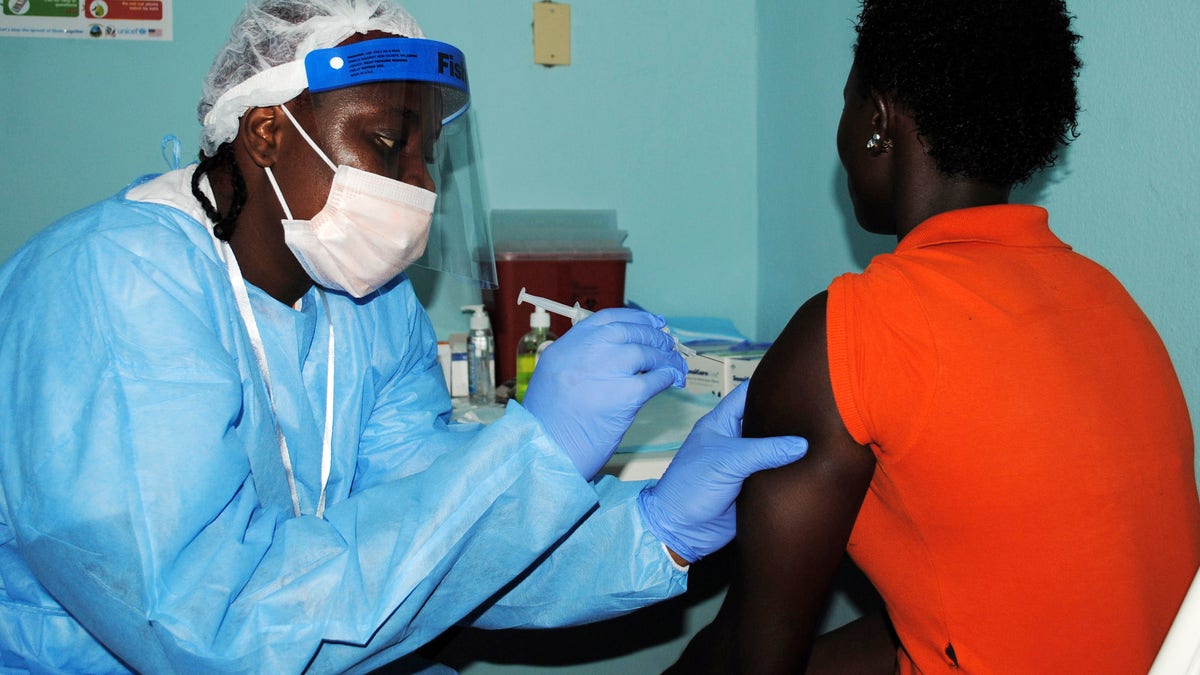
- IAVI’s rVSV-based vaccine: Developed using the same recombinant vesicular stomatitis virus (rVSV) platform as Merck’s Ervebo (Zaire ebolavirus vaccine), this candidate has shown protective efficacy in nonhuman primate studies. IAVI secured $3.2 million from CEPI to fast-track its development, with the WHO already identifying it as the most promising option in the pipeline. The vaccine is now being prepared for Good Manufacturing Practice (GMP) production, a critical step before human trials.
- Moderna’s mRNA vaccine: Leveraging its proven mRNA technology (used in COVID-19 vaccines), Moderna is adapting its platform for Bundibugyo. While details on its efficacy in animal models are scarce, the company’s track record in rapid vaccine development makes it a strong contender.
- University of Oxford’s vaccine (manufactured by Serum Institute of India): Oxford’s approach is less publicized, but its partnership with the Serum Institute—a global leader in vaccine production—could accelerate large-scale manufacturing if the candidate proves effective.
CEPI’s strategy is to advance all three candidates in parallel, ensuring no single approach fails to yield results. “With Bundibugyo virus spreading rapidly and no licensed vaccines, every day counts in the race against this deadly disease,” said Dr. Richard Hatchett, CEO of CEPI. The organization is also keeping an open call for additional proposals, signaling that more candidates may enter the pipeline soon.
Why IAVI’s Vaccine Is the Front-Runner
Of the three candidates, IAVI’s rVSV-based vaccine stands out for two key reasons: proven safety in humans and WHO endorsement. The rVSV platform has already been licensed for Zaire ebolavirus (Ervebo) and was used in the Sudan ebolavirus outbreak response in 2024. This gives regulators and public health officials confidence that the technology can be deployed quickly and safely.
Mark Feinberg, CEO of IAVI, emphasized the urgency: “We are acting with urgency to advance this candidate quickly and responsibly.” The vaccine’s development is being fast-tracked with support from the Dutch government, which reallocated emergency funds originally earmarked for Sudan virus vaccine work. This financial boost allows IAVI to initiate manufacturing steps and prepare for clinical trials as early as mid-2026.
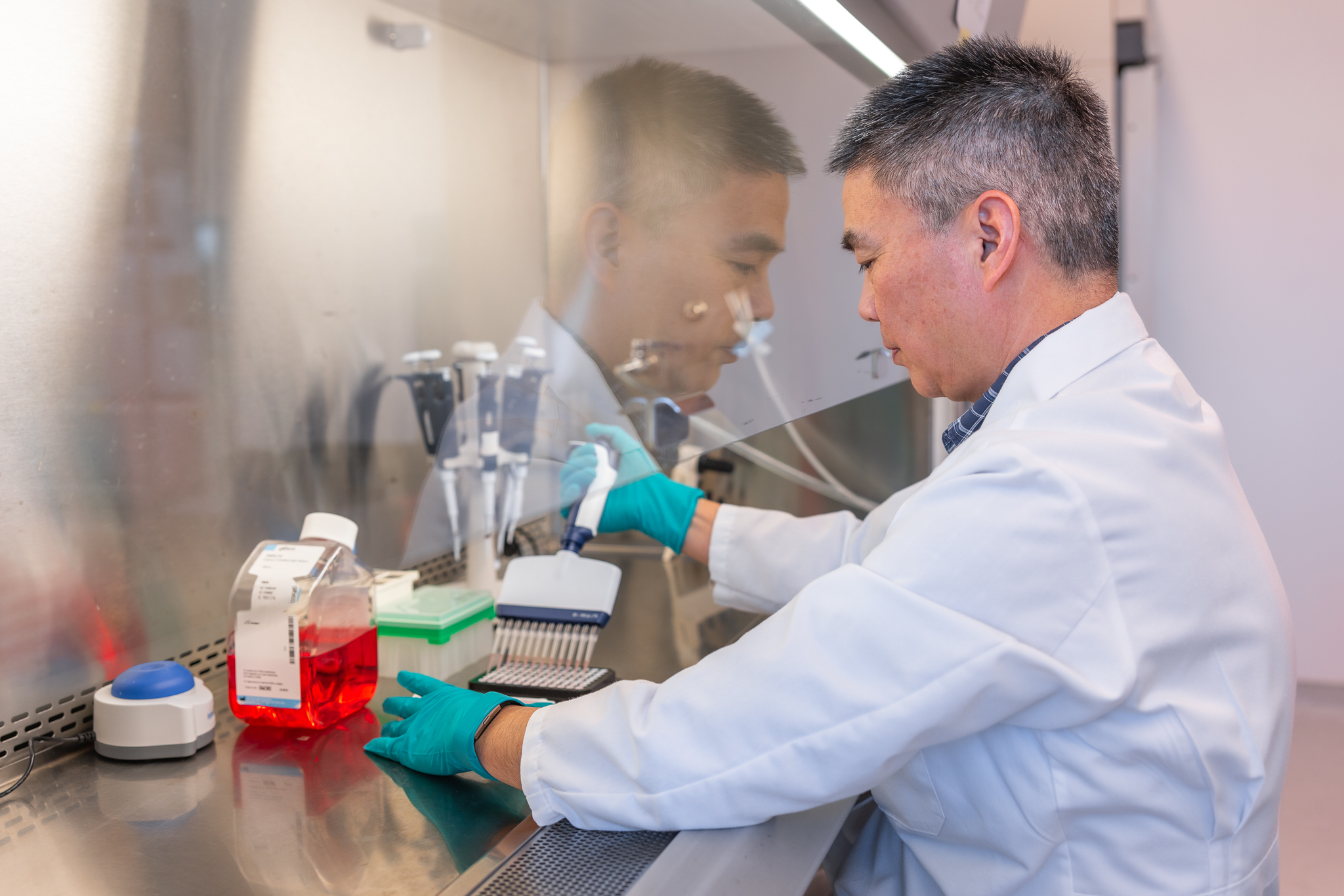
However, a critical hurdle remains: no human trials have been conducted yet. The vaccine’s protective efficacy was only demonstrated in nonhuman primates, and its safety in humans is unproven. If clinical trials begin in the coming months, results won’t be available until late 2026 or early 2027—far too late to impact the current outbreak. This raises a critical question: Can a vaccine be developed fast enough to stop this epidemic, or will it only help prepare for future ones?
The Geopolitical Stakes: Africa’s Vaccine Independence
Beyond the immediate public health crisis, this outbreak highlights a deeper challenge: Africa’s reliance on external vaccine production. The current response depends heavily on partners like CEPI, IAVI, and the Serum Institute of India—none of which are based in Africa. Dr. Jean Kaseya, Director-General of the Africa CDC, framed the issue bluntly: “CEPI’s investment in three Bundibugyo virus vaccine candidates is both timely and critical to Africa’s health—as well as economic security and advancing Africa’s ambition to build sustainable R&D and vaccine manufacturing capacity on the continent.”
The DRC and Uganda have been leading the outbreak response, but their ability to manufacture vaccines locally remains limited. CEPI’s funding not only accelerates vaccine development but also signals a push for regional vaccine production hubs. If successful, this could reduce Africa’s dependence on global supply chains—a lesson learned the hard way during COVID-19, when vaccine inequity left many African nations scrambling for doses.
Yet, the timeline for African vaccine manufacturing is uncertain. Even if the current candidates prove effective, scaling production in Africa could take years. In the meantime, the continent must rely on imports—a reality that could prolong future outbreaks if local production lags behind demand.
What Comes Next: A Timeline of Uncertainty
The next 12 months will be decisive.
- June–September 2026: IAVI’s rVSV vaccine enters Phase 1 clinical trials (safety testing in humans). Moderna and Oxford’s candidates may follow soon after.
- Late 2026: Initial data on vaccine safety and immune response could emerge, but efficacy trials (testing whether the vaccine actually prevents infection) won’t begin until 2027.
- 2027: If all goes well, a Bundibugyo vaccine could receive emergency authorization—but only if the outbreak persists. Given the current trajectory, this may be too late to stop the current epidemic.
- Long-term (2028+): If manufacturing capacity is built in Africa, the continent could reduce its reliance on external vaccine supplies.
The biggest wild card? The outbreak’s trajectory. If cases continue to rise unchecked, the window for a vaccine to make a difference may close before trials even begin. Public health officials are already warning that the current response—contact tracing, quarantine, and experimental treatments—may not be enough to contain the virus without a vaccine.
Dr. Hatchett’s words capture the tension: “CEPI’s urgent funding and support for these three promising candidates aims to advance safe, effective vaccines to help control this epidemic.” But the reality is that by the time a vaccine is ready, the epidemic may already be over—or worse, the virus may have mutated, rendering the vaccine less effective.
The Bigger Picture: Lessons from Past Ebola Outbreaks
This isn’t the first time a filovirus has caught the world off guard. The 2014–2016 West Africa Ebola outbreak killed over 11,000 people, yet no vaccine existed at the time. It took years of research and a massive global effort to develop Ervebo, which wasn’t licensed until 2019—long after the crisis had passed. The Bundibugyo outbreak is a stark reminder that vaccine development must outpace epidemics, not the other way around.
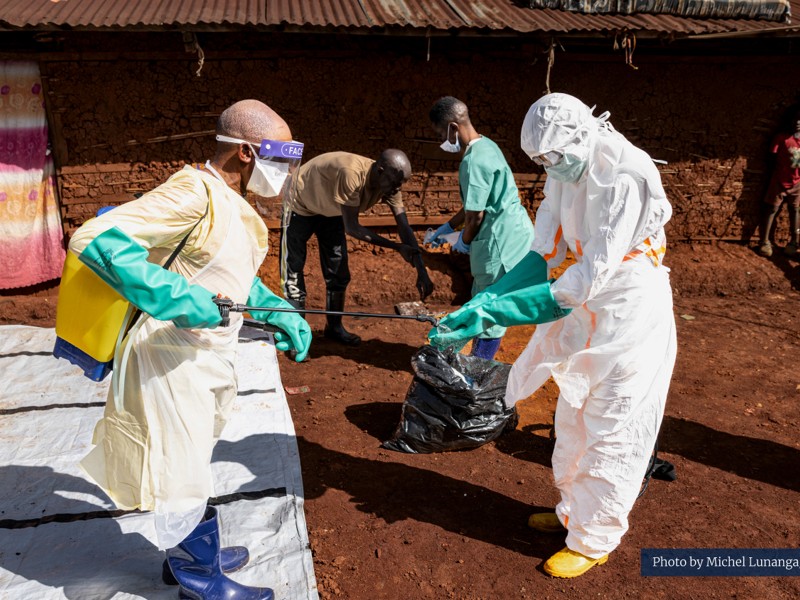
Historically, filovirus outbreaks have been met with a reactive rather than proactive approach. The WHO’s PHEIC declaration for this outbreak came only after hundreds of cases had already been reported. By contrast, CEPI’s rapid response to Bundibugyo suggests a shift toward preemptive vaccine development—but whether this model can be sustained remains an open question. Funding for epidemic preparedness has fluctuated in recent years, and without consistent investment, future outbreaks could again leave the world scrambling.
One thing is clear: the current outbreak is a stress test for global health systems. If the vaccines fail to stop the spread, or if manufacturing delays prevent timely deployment, the world may face a new era of Ebola-related crises—ones that are harder to contain due to climate change, urbanization, and global travel.
What You Need to Know Now
For the general public, the immediate risks remain low outside of the DRC and Uganda. However, the outbreak serves as a warning: filoviruses don’t respect borders. The 2014 Ebola outbreak in West Africa started in a remote village before spreading to major cities and crossing into neighboring countries. If Bundibugyo follows a similar pattern, the world could see international cases within months.
Travelers to the DRC or Uganda should follow WHO and CDC guidelines, including avoiding contact with sick individuals and adhering to local health advisories. For those in affected regions, vaccination is not yet an option—but public health measures like hand hygiene, avoiding bushmeat, and reporting symptoms immediately can help slow transmission.
For policymakers and global health organizations, the Bundibugyo outbreak is a call to action. The current response—while urgent—is still too little, too late for some. The question now is whether this crisis will finally push the world to invest in predictive surveillance, rapid vaccine development, and local manufacturing capacity—or if history will repeat itself, with another Ebola outbreak catching the world off guard.
One thing is certain: the race to stop Bundibugyo is on. And this time, the stakes couldn’t be higher.
