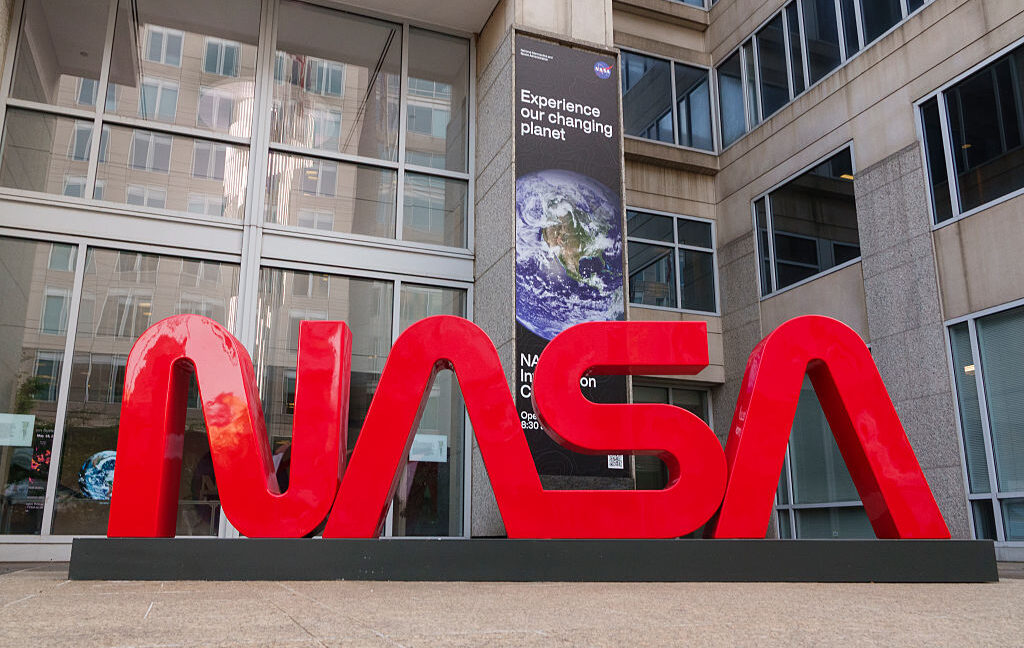
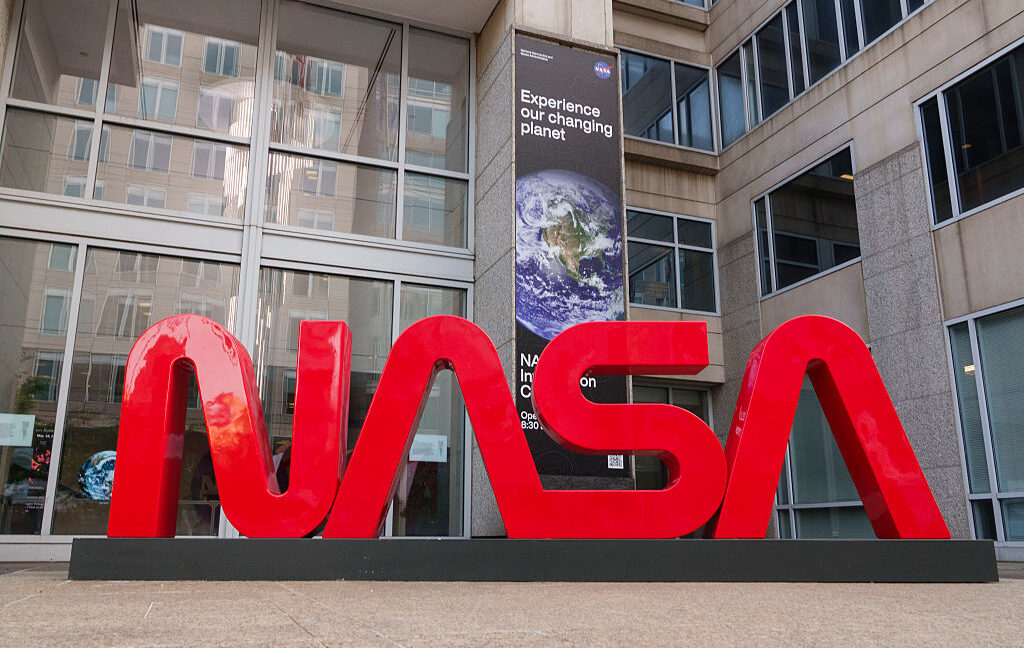
NASA Administrator Jared Isaacman announced a series of strategic organizational shifts on May 22, 2026, aimed at streamlining operations to meet ambitious lunar and deep-space goals. The agency is moving to unify its aeronautics, space technology, and nuclear propulsion divisions while opening the operation of its California-based laboratory to competitive bidding.
A New Operational Playbook for Artemis and Beyond
cluster (priority): Space
The agency’s latest directives prioritize a leaner, more efficient structure designed to accelerate the Artemis program. According to a message from Administrator Jared Isaacman, the objective is to standardize the Space Launch System (SLS) architecture and foster a consistent cadence of lunar missions. The goal is to transition toward commercial pathways, eventually enabling crewed missions as frequently as every six months.
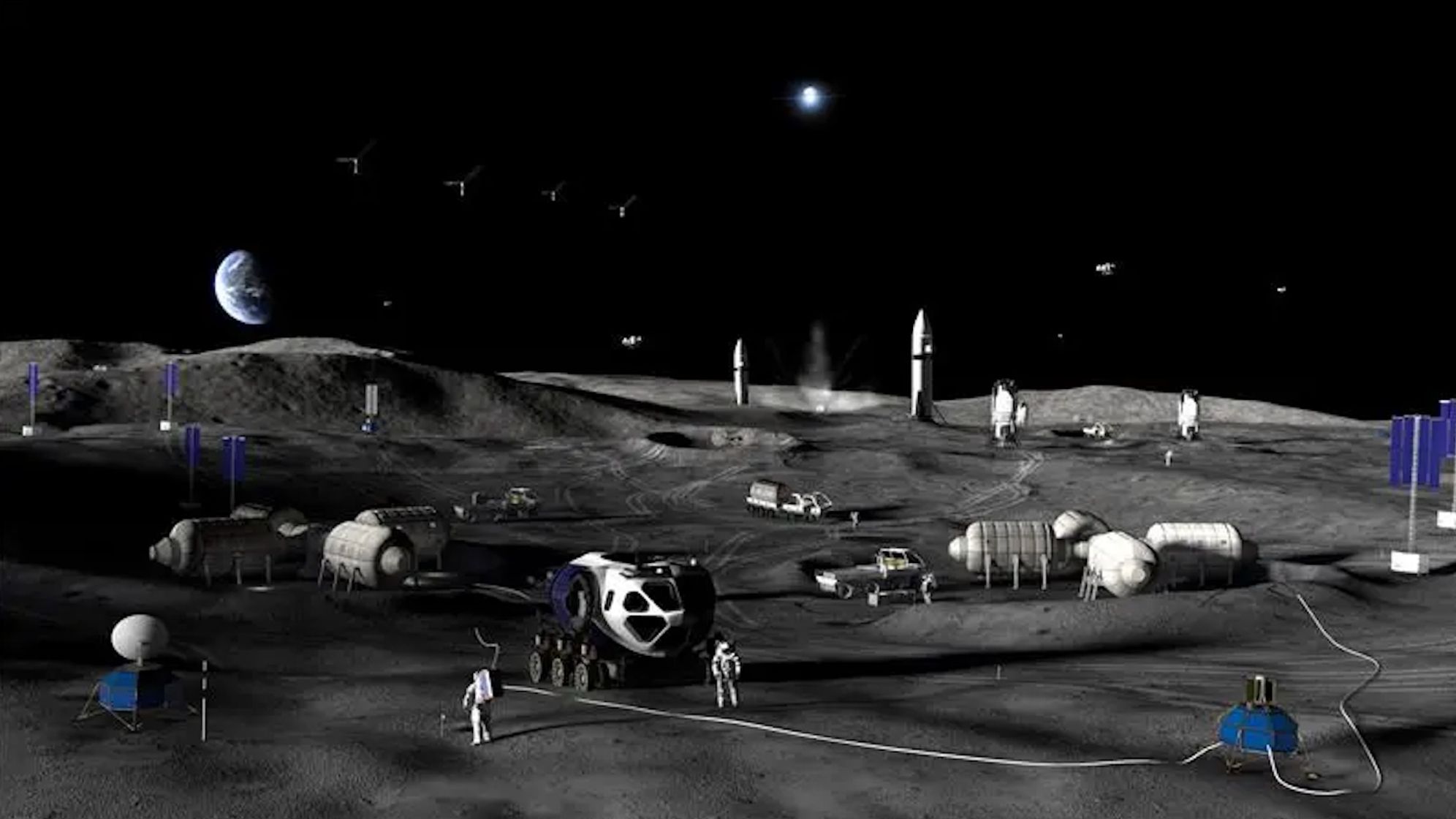
Central to this strategy is the establishment of a permanent base near the Moon’s south pole. NASA envisions this site as an iterative proving ground, serving as a hub for scientific discovery and a critical testing facility for technologies required for future crewed missions to Mars. The agency has officially confirmed this direction, stating on X, “We’re building a Moon Base!” as reported by i24NEWS.
Competitive Bidding at the Jet Propulsion Laboratory
cluster (priority): NASA (.gov)
In a significant departure from long-standing operational norms, NASA intends to reform how it manages its research infrastructure. The agency is targeting the Jet Propulsion Laboratory (JPL), a federally funded research and development center currently managed by the California Institute of Technology. Since the 1950s, the laboratory has operated without a competitive contract, but that is set to change when the current agreement expires in 2028.
As Ars Technica reports, Isaacman draws a parallel to the Department of Energy, which has successfully utilized competitive bidding to oversee its own research centers. NASA plans to issue a Request for Proposals to open the operation of the laboratory to other academic institutions, with universities such as Purdue and Texas A&M mentioned as potential contenders. The agency’s stated intent is to maximize scientific output for every dollar of taxpayer investment.
The Politics of Efficiency and Program Oversight
🚨BREAKING: NASA Unveils New Lunar Base Plan — China Is STUNNED
The push for organizational efficiency comes amid a complex landscape of inter-agency and commercial competition. The agency faces regular friction between private sector launch providers—including SpaceX and Blue Origin—and federal entities like the Space Force and the Federal Aviation Administration.
Internal sources suggest that the current leadership is taking a more assertive approach to managing these stakeholders. Regarding the tendency of launch partners to escalate disputes to the White House, one source told Ars Technica:
“Now, when someone tells Hughes ‘give me what I want or I will call POTUS,’ Hughes can say, ‘So can I,’” NASA source, via Ars Technica
Beyond political maneuvering, the agency is focused on fiscal responsibility. Administrator Isaacman has emphasized the need to curb the resource drain caused by historical project delays. In his correspondence, he noted the cumulative impact of past inefficiencies:
“When you step back, it is worth considering how many additional missions we could have undertaken with the resources lost to program cancellations and cost overruns over the years. That is the problem we must fix, so the American taxpayer and space-loving community can receive the highest scientific return on every dollar we spend at NASA.”Jared Isaacman, NASA Administrator
Upcoming Updates on Lunar Infrastructure
cluster (priority): news.google.com
The public will get a deeper look at these evolving plans on May 26, 2026. NASA is scheduled to host a press conference at 2 p.m. EDT at its headquarters in Washington, D.C. The session is designed to provide clarity on the agency’s surface capabilities and mobility plans.
According to Space.com, the briefing will include key leadership figures, including Administrator Isaacman, acting associate administrator Lori Glaze, and Moon Base program executive Carlos García-Galán. The agency advisory states the event will serve:
“to share Moon Base plans and highlight progress toward a sustained presence on the lunar surface,” NASA officials, via Space.com
The briefing is expected to address the transition of the Artemis program, which has seen significant shifts in recent months, including a pause in work on the lunar-orbiting Gateway station to prioritize the development of the surface base. With the first crewed lunar landing since the Apollo era now slated for Artemis 4 in 2028, the upcoming presentation will be a critical indicator of whether the agency can maintain its aggressive timeline for a sustained human presence on the Moon.
Leo Andersson covers innovation, AI, and cybersecurity. A former engineer turned journalist from Stockholm, Leo has contributed to major tech outlets across Europe. His analytical style and deep understanding of technology trends define Globally Pulse’s forward-looking reporting.