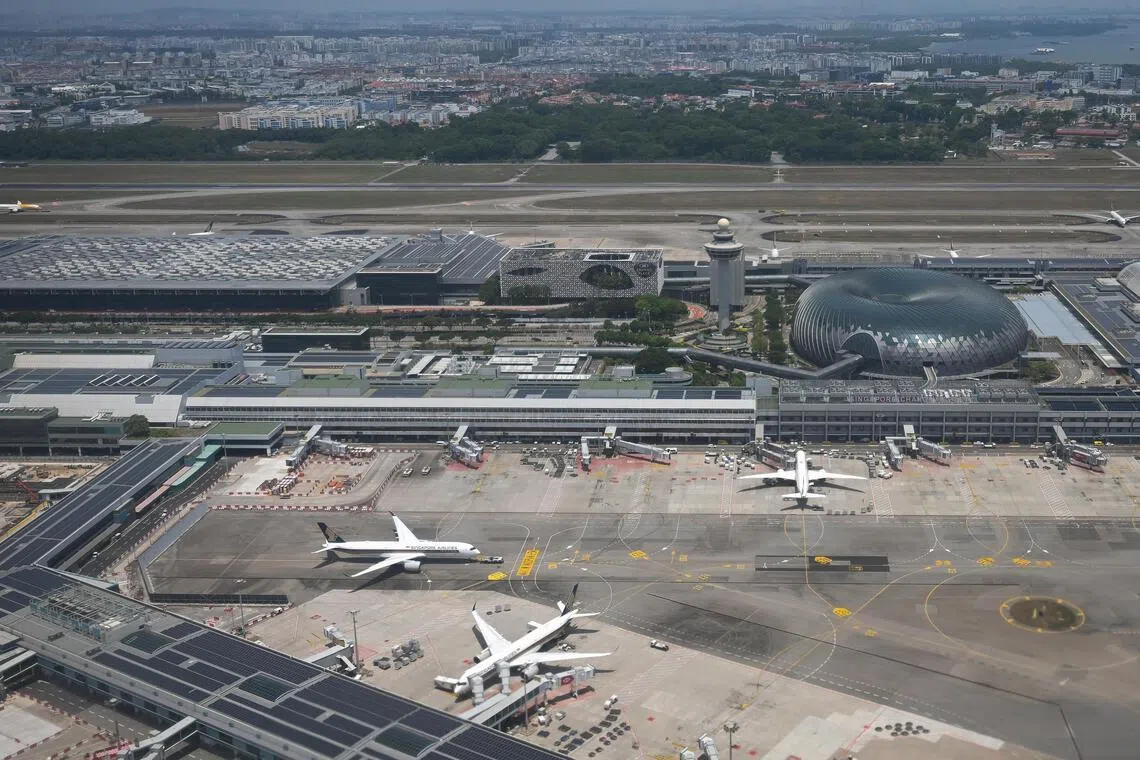
Changi Airport Navigates Middle East Airspace Disruptions, Capacity Concerns Emerge
Singapore Changi Airport has successfully absorbed increased transit traffic resulting from the ongoing disruptions to Middle Eastern airspace, reaffirming its crucial role as a global aviation hub. However, the long-term impact of the conflict and the resulting strain on airport capacity remain uncertain, according to industry analysts.
The surge in traffic stems from the closure of key airspace over Iran, Iraq, Qatar, and parts of the United Arab Emirates, forcing airlines to reroute flights and avoid the region due to escalating geopolitical tensions. This has particularly impacted major Middle Eastern hubs like Dubai, Doha, and Abu Dhabi, diverting passengers to alternative transit points, including Changi and Kuala Lumpur. According to data from AirTraveler, at least 32 outbound flights from Changi to Middle Eastern destinations were canceled between February 28 and March 7, 2026.
Increased Demand Strains Capacity
While Changi has demonstrated its ability to handle the immediate influx of passengers, industry experts warn that the situation is placing significant pressure on existing infrastructure. Mayur Patel, regional sales director at aviation data platform OAG, noted that hubs like Changi are nearing their flight capacity limits. The increased demand has benefited both European and Southeast Asian airlines, but also presents challenges in terms of operational efficiency.
The Business Times reported that airlines are increasing seat capacity on routes through Southeast Asia to accommodate the diverted traffic. British Airways, for example, added over 3,300 seats between March 10 and 19 by deploying larger aircraft and adding extra flights to Singapore and Bangkok. Lufthansa and Air France have also responded by utilizing larger planes and adding temporary services to Changi and Bangkok’s Suvarnabhumi Airport.
Financial Implications and Airline Responses
The shift in flight paths has led to higher fares, particularly on routes between Singapore and Europe. Alton Aviation Consultancy reports ticket prices have increased by up to 560% on these routes, though demand remains strong. Airlines are capitalizing on the situation, benefiting from increased revenue and stronger profit margins. Singapore Airlines, in particular, is well-positioned to take advantage of the increased transit traffic due to its extensive network and Singapore’s strategic location.
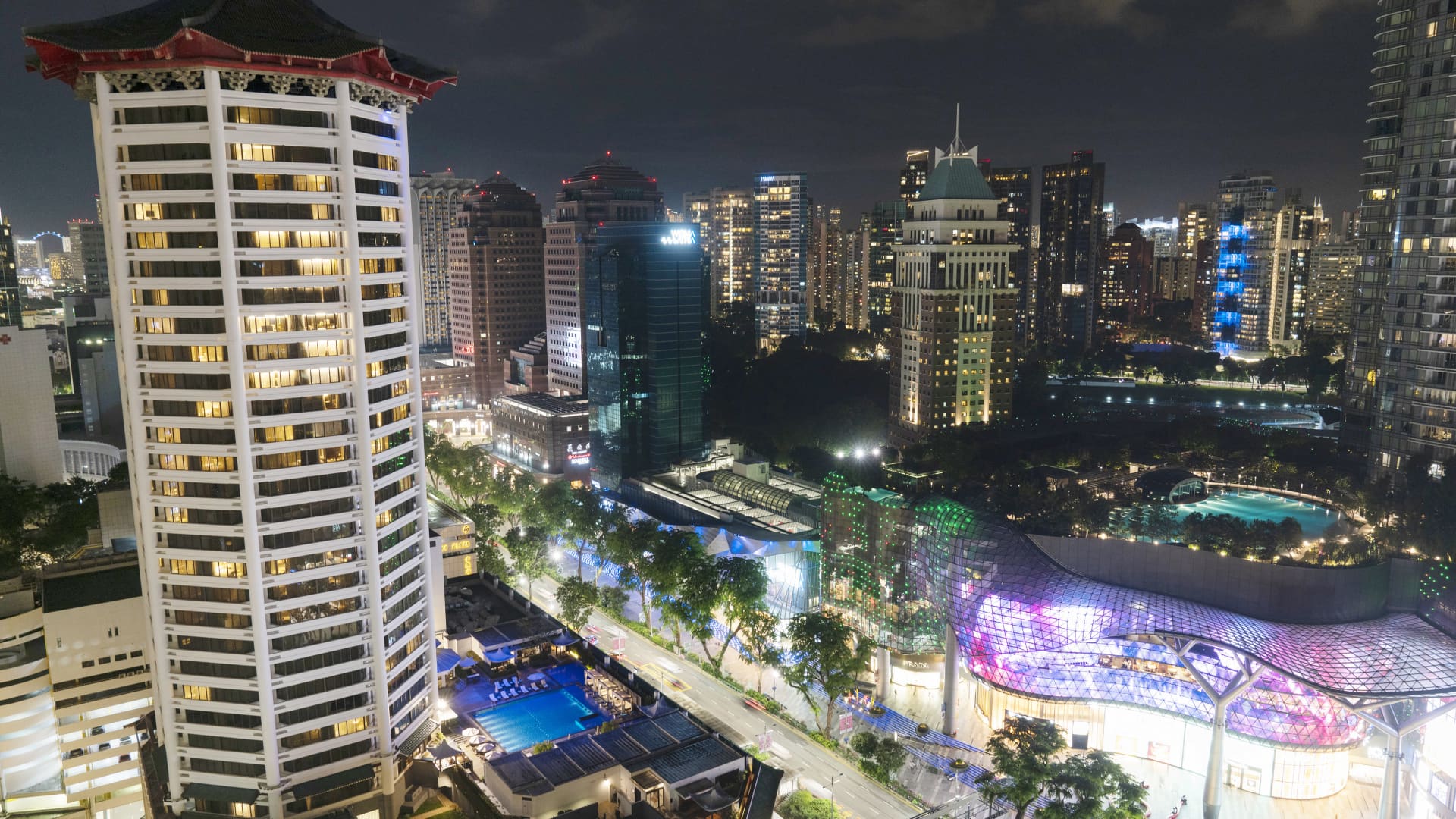
However, the long-term sustainability of these higher fares and increased demand is uncertain. Analysts caution that once the conflict in the Middle East subsides and airspace reopens, airlines may revert to more efficient routes, potentially reducing the demand for transit flights through Southeast Asia. Furthermore, the potential for Gulf carriers to quickly regain their market share poses a threat to the current gains made by Asian airlines.
Economic Outlook and Regional Benefits
The disruptions have presented an opportunity for Southeast Asian aviation hubs to showcase their capabilities and attract increased investment. The increased traffic is providing a boost to local economies through increased tourism spending and airport revenue. However, the long-term benefits will depend on the region’s ability to address capacity constraints and maintain its attractiveness as a reliable transit hub.
The situation also highlights the importance of diversification in the aviation industry. The reliance on Middle Eastern hubs for Europe-Asia connectivity has proven to be vulnerable to geopolitical instability. Investing in alternative transit routes and infrastructure will be crucial for ensuring the resilience of the global aviation network. For further insights into global economic trends, read more on Globally Pulse Business.
