A Young Dissident’s Death, a Divided Nation, and the Global Echoes of Resistance in Iran
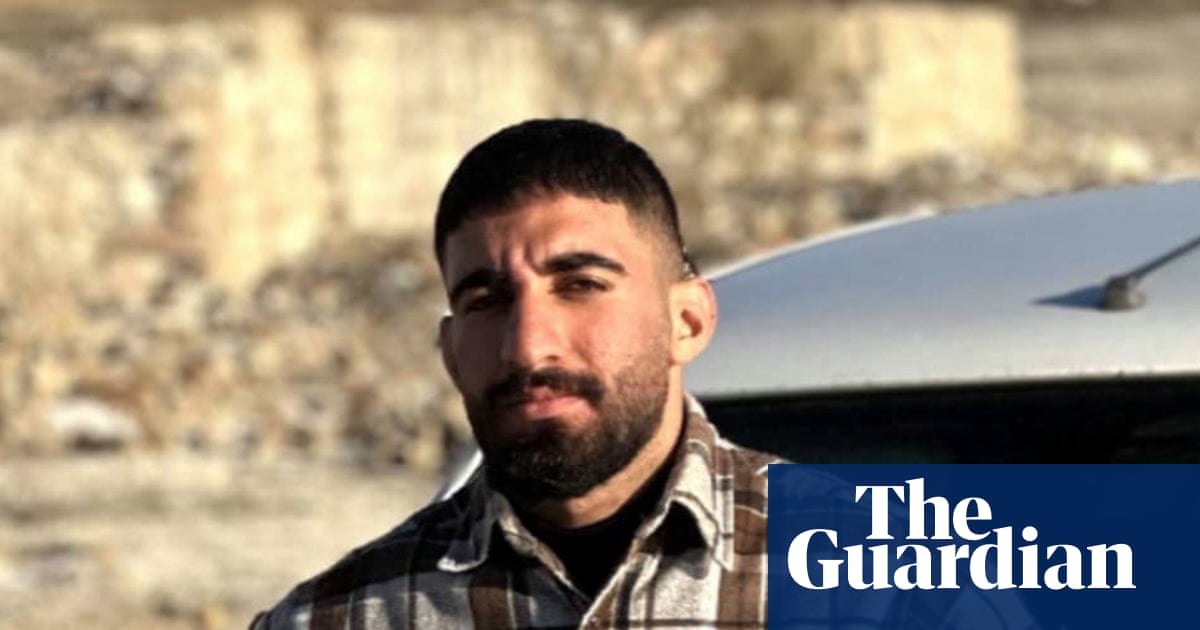
On November 1, 2025, the body of 27-year-old Omid Sarlak, an aspiring aviation student and amateur boxer from Aligudarz in western Iran, was found inside his car near a local sports stadium. Authorities stated he died from a gunshot wound to the head and cited evidence of gunpowder on his hands, insisting he had taken his own life. But within hours, the official narrative was challenged publicly—first by Sarlak’s devastated father, who reportedly told mourners, “They killed my champion here,” and later by a widening circle of activists, analysts, and international observers who question the plausibility of suicide in the context of Sarlak’s recent, very public dissent.
Sarlak’s death came just hours after he posted a video to his Instagram account showing himself burning a photograph of Iran’s Supreme Leader, Ayatollah Ali Khamenei. In the background, archival audio from the former Shah of Iran, Mohammad Reza Pahlavi, was audible—a direct, symbolic challenge to the Islamic Republic’s founding ideology. Sarlak accompanied the act with hashtags such as “Death to Khamenei” and a call to Iranian youth: “How long humiliation, how long poverty, how long being ridden over? This is the moment to show yourself, young man.” He was buried at Aligudarz’s Akbarali Cemetery, where hundreds defied security forces to chant anti-regime slogans and burn images of both Khamenei and the Islamic Republic’s founder, Ayatollah Ruhollah Khomeini.
Official Account, Family Defiance, and the Politics of Truth
Iranian state media and police have consistently described Sarlak’s death as suicide, pointing to the handgun found at the scene. But his father’s initial outcry—“They killed him”—was captured on video and spread rapidly online, intensifying domestic and international scrutiny. Later, in an apparent reversal, Sarlak’s father appeared on state television urging the public to “not pay attention to what’s circulating on social media and to let the judicial authorities handle the matter.” Anti-government activists and rights monitors said the statement appeared coerced, with the family likely under surveillance—a pattern documented repeatedly by international human rights organizations in cases involving dissent.
Ebrahim Eshaghi, a prominent Iranian wrestler now based in Germany, told media that Sarlak had privately messaged him just before his death, warning, “My life is in danger. If anything happens to me, be my voice.” Eshaghi said Sarlak’s friends inside Iran believe he was killed by the intelligence services—a claim that, while unproven, resonates in a country where activists, journalists, and athletes have faced detention, torture, and extrajudicial killing after criticizing the government.
Bahar Ghandehari, advocacy director at the U.S.-based Center for Human Rights in Iran, underscored the gravity of Sarlak’s final act: “Despite the fact that insulting or burning the supreme leader’s photo is considered a serious offence, carrying grave risks of arrest, imprisonment, harsh sentences, torture and even death, people inside Iran are now copying his gesture—a sign of both courage and escalating frustration.” Indeed, videos have circulated online showing others burning images of Khamenei in solidarity, some voicing the same slogans as Sarlak, and identifying with him by name.
From Local Grievance to National Symbol—and International Scrutiny
Sarlak’s death has rapidly galvanized anti-government sentiment, drawing comparisons with the 2022 protests that erupted after the death of Mahsa Amini, a young Kurdish woman detained by Iran’s morality police. As with Amini’s case, the response to Sarlak’s death reflects deep-seated grievances over political repression, economic hardship, and a generational divide. The difference this time is the overt, almost performative nature of the dissent: the public burning of Khamenei’s image—an act previously unthinkable for many ordinary Iranians—now repeated in videos by others across the country.
Reza Pahlavi, the exiled son of Iran’s last monarch and a prominent opposition figure, called Sarlak “a hero and a brave soul who stood against the oppression of the Islamic Republic and sacrificed his life for Iran’s freedom.” While the monarchy is not a realistic alternative for most Iranians, the invocation of the Pahlavi era is a sharp rebuke to the current leadership and a reminder of the historical grievances that shape Iran’s volatile politics.
Western governments and international human rights bodies have not yet issued formal statements on Sarlak’s death, but his case has drawn significant attention from Persian-language media outside Iran and from global rights monitors. The lack of independent investigations into such incidents inside Iran remains a recurring diplomatic concern, cited frequently by the United Nations and major democracies in assessments of Tehran’s human rights record.
Broader Context: Iran’s Human Rights Landscape and Global Implications
Sarlak’s death exposes the ongoing tension between Iran’s authoritarian governance and its restive, digitally connected youth. His case is not isolated; it fits a broader pattern of state violence against dissenters, particularly since the Woman, Life, Freedom movement of 2022. According to the UN Human Rights Council, Iran remains one of the world’s leading executors of political prisoners, especially targeting minorities, women, and youth. The government’s response to Sarlak’s death—fast, categorical, and dismissive of public skepticism—mirrors its handling of previous crises, reinforcing perceptions of impunity at home and deepening distrust abroad.
Globally, incidents like this directly challenge the international community’s ability to hold states accountable for rights violations when domestic inquiries lack credibility. Western policymakers increasingly frame Iran’s internal repression as a threat to regional stability, given Tehran’s influence across the Middle East and its adversarial relations with the U.S., Europe, and Israel. Human rights advocates argue that without credible, independent investigations, the cycle of protest, repression, and international condemnation will continue—with unpredictable consequences for Iran’s internal cohesion and external relations.
A Litmus Test for Justice—and a Warning for Diplomacy
The fallout from Sarlak’s death is unfolding against a backdrop of heightened regional tensions. While the focus inside Iran is on justice and accountability, the international community is watching closely, aware that Tehran’s handling of such cases affects its relations with trading partners, diplomatic adversaries, and multilateral institutions.
As this story develops, three dynamics bear watching: the willingness of Iran’s judiciary to address public doubts, the potential for renewed street protests as economic conditions worsen, and the degree to which global powers—already preoccupied by conflicts in Ukraine and the Middle East—choose to elevate human rights in their engagement with Tehran. For now, Sarlak’s name has joined a growing list of symbols for Iran’s unresolved struggle between state power and citizen agency—a struggle with consequences far beyond its borders.
