King Charles reveals he paid £12.9m in tax for 2024-25
King Charles III has disclosed paying £12.9 million in taxes for the 2024-25 financial year, marking a push for transparency alongside new details on the Sovereign Grant.
- Headline Dispatch: King Charles reveals he paid £12.9m in tax for 2024-25
- Core Takeaway: King Charles III has disclosed paying £12.9 million in taxes for the 2024-25 financial year, marking a push for transparency alongside new details on the Sovereign Grant.
- Source Synthesis: Continuous live monitoring aggregated across major news wires and independent bureaus.
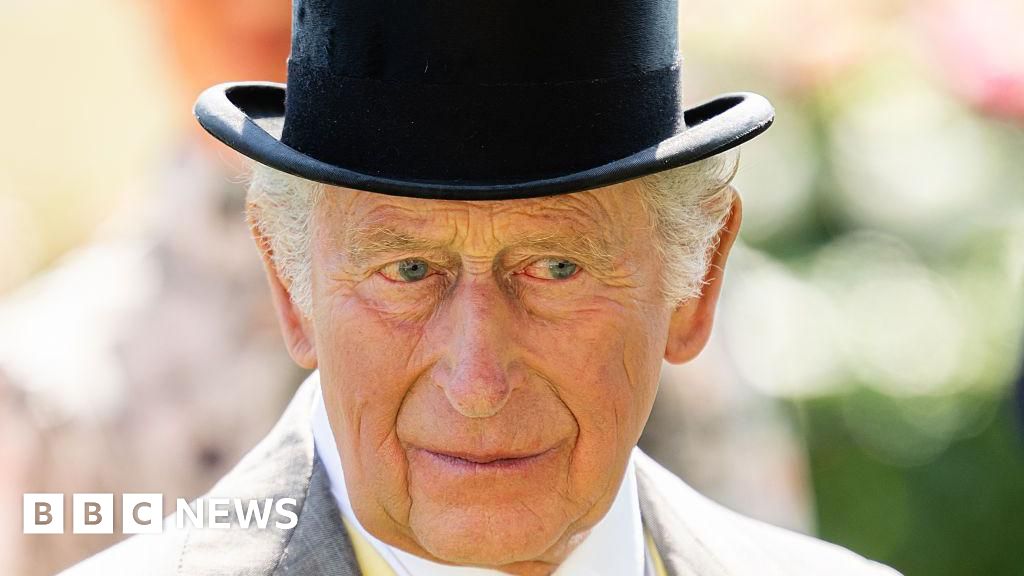
King Charles reveals he paid £12.9m in tax for 2024-25
King Charles III has become the first British monarch to disclose his tax payments, revealing he paid £12.9 million in income and capital gains taxes during the 2024-25 financial year. The figure, published in annual royal reports and accounts, places the King among the top 100 taxpayers in the United Kingdom.
This represents an increase from the £11.7 million paid in 2023-24. Since ascending the throne in September 2022, the King has paid more than £30 million in voluntary taxes. While the monarch has no legal obligation to pay tax, the practice began in 1993 under an agreement with Queen Elizabeth II following public outcry over the costs of repairing Windsor Castle after a fire.
The disclosure coincides with a decision that the King and Queen Camilla will not move into Buckingham Palace after a 10-year, £369 million refurbishment program concludes. Instead, they will remain at Clarence House, where they have lived since 2005, for the duration of the King's reign. This is the first time since the reign of Queen Victoria that a monarch has chosen to reside away from the palace.
James Chalmers, the King's treasurer and keeper of the Privy Purse, stated the decision was made to increase public access and the number of visitors to the palace, which currently sees about 700,000 visitors annually. The palace will remain the ceremonial and operational center
of the monarchy, with private rooms available for the King and Queen for daytime use and occasional overnight stays.
The moves toward transparency follow months of negative headlines concerning the links between convicted sex offender Jeffrey Epstein and Andrew Mountbatten-Windsor, formerly Prince Andrew. Craig Prescott, a constitutional law expert at Royal Holloway, University of London, said that being open and transparent creates a greater contrast with Mountbatten-Windsor.
Royal Financial Breakdown
The King's taxable income is derived from the "Privy Purse," which includes the Duchy of Lancaster — a portfolio of land, investments, and properties that provided an annual income of £25.2 million in 2025-26. Other taxable sources include private savings, investments, and the private estates of Sandringham and Balmoral.
Prince William, the Prince of Wales, also released his financial data on Thursday. He paid £7.76 million in income and capital gains taxes for 2024-25, down from £8.34 million the previous year. Since becoming Prince of Wales, William has paid more than £20 million to HM Revenue and Customs. His income is primarily generated by the Duchy of Cornwall, a billion-pound estate that provided £21.6 million in 2025-26.
| Individual | Tax Paid 2024-25 | Tax Paid 2023-24 |
|---|---|---|
| King Charles III | £12.9 million | £11.7 million |
| Prince William | £7.76 million | £8.34 million |
Additionally, Prince William announced he will no longer personally benefit from the £1.5 million annual rent generated by the abandoned Dartmoor Prison from 2026-27 onwards. The prison has been empty since 2024 due to toxic radon gas. The funds will instead be used to support the rural community of Princetown.
The Sovereign Grant and Public Funding
Separate from private wealth is the Sovereign Grant, public money used for official duties and the upkeep of royal residences. Under a new formula reviewed by Royal Trustees — including Prime Minister Sir Keir Starmer and Chancellor Rachel Reeves, the core grant will rise to £99.9 million for the year 2027-28. This is a significant increase from the £51.8 million figure recorded three years ago.
The grant will remain at this level for five years. Funds are earmarked for strengthening cyber security, property maintenance, and green energy transitions, including £11 million to replace boilers at Windsor Castle. James Chalmers emphasized that the grant is not a blank cheque
and is subject to Treasury oversight and independent audits.
The total grant last year rose to £132.1 million due to the Buckingham Palace refurbishments, which are scheduled for completion by March of next year. However, the annual figure is expected to drop to the core funding of £99.9 million once those works are finished.
Criticism and Oversight
The disclosures have not silenced critics. Graham Smith of the anti-monarchy group Republic described the Sovereign Grant as inflated
, arguing that if the 2012 grant of £31 million had only risen by inflation, it would stand at £45 million rather than £100 million. Smith also argued the palace should be open to the public all year round.
Tax campaigner Dan Neidle called the released information a sideshow
, noting that the Duchies of Cornwall and Lancaster are not subject to corporation or capital gains tax and pass between generations free of inheritance tax. George Foulkes, a Labour peer, described the tax revelations as a diversionary tactic
to avoid scrutiny of the Sovereign Grant.
The next set of tax figures for 2025-2026 are currently being audited and will be made public next year.
How significant is this development?
Participate in our community survey on the trajectory and real-world impact of this news.