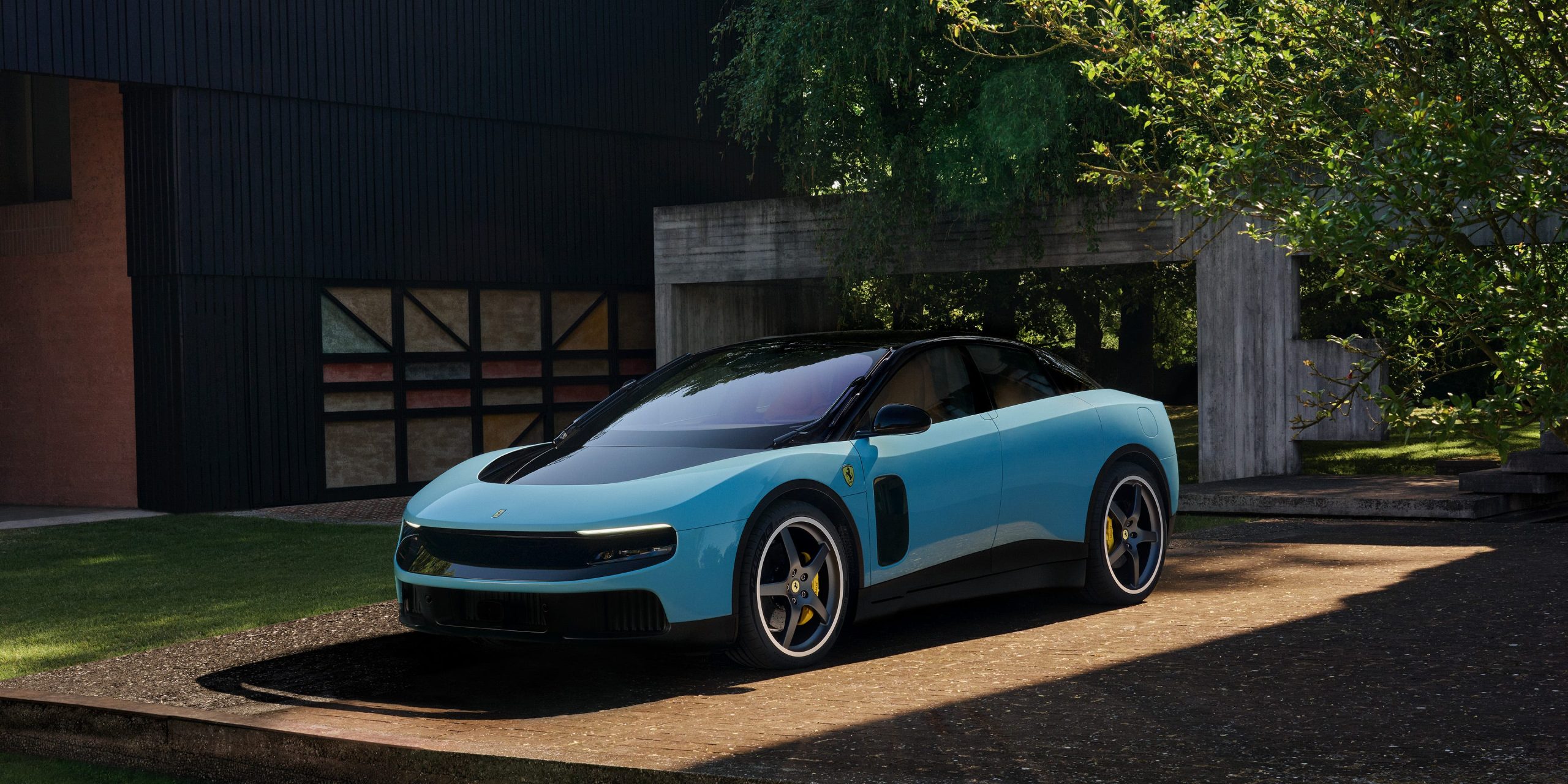
Ferrari has officially debuted the Luce, its first electric vehicle, featuring a four-motor powertrain capable of 1,035 horsepower. Developed in collaboration with the design firm LoveFrom, the five-seater model arrives in the United States next spring with a base price of €550,000, or approximately $640,000 at current conversion rates.
A New Architectural Direction for Maranello
The introduction of the Luce marks a fundamental shift for Ferrari, moving away from the internal combustion heritage that defined the brand for decades. By utilizing a dedicated electric vehicle architecture, the company has departed from traditional supercar proportions. The vehicle measures 197.9 inches in length, positioning it slightly longer than the Purosangue, while sitting roughly two inches lower.
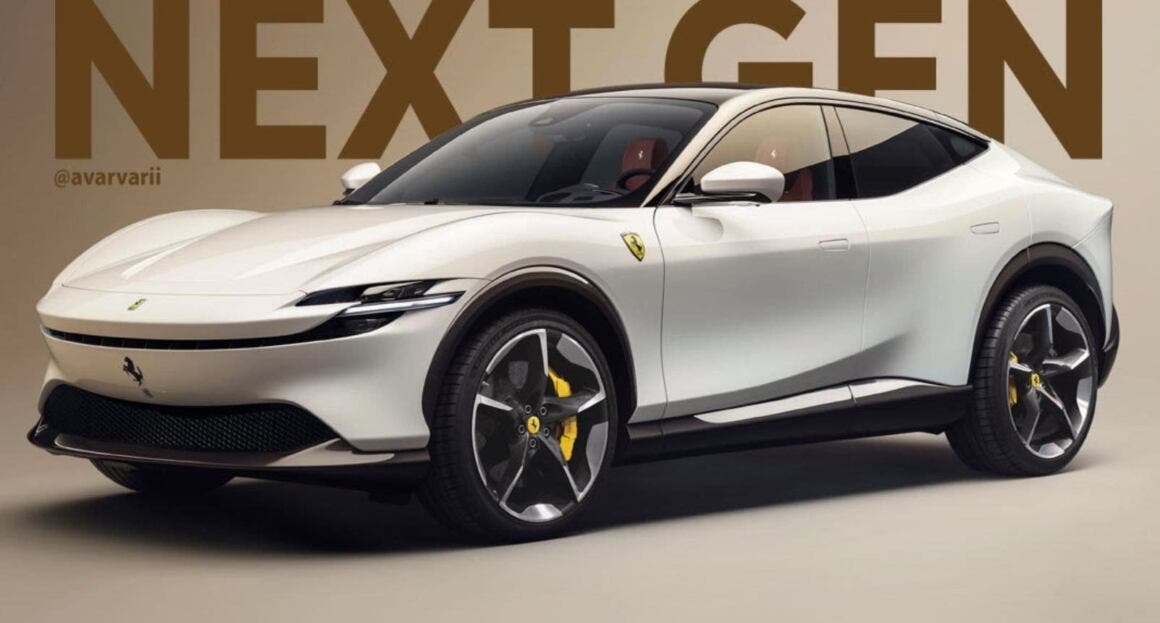
According to Car and Driver, the design process involved a significant partnership with LoveFrom, the firm led by Jony Ive and Marc Newson. This collaboration focused on maximizing aerodynamic efficiency, resulting in a drag coefficient that the company claims is the lowest of any roadgoing Ferrari to date. The exterior features active grille shutters and tunnel-like spoilers to manage airflow, while the cabin is pushed forward within an all-aluminum body structure.
Engineering the Electric Powertrain
At the core of the Luce is a proprietary four-motor setup. While Motor1.com reports the output can reach up to 1,050 horsepower depending on the configuration, the performance profile is designed to offer driving dynamics distinct from the brand’s previous hybrid or V12 models. The vehicle does not rely on active aerodynamics to achieve its 0.254 cD drag coefficient, a choice the company noted was intended to maintain a cleaner visual aesthetic and reduce overall weight.
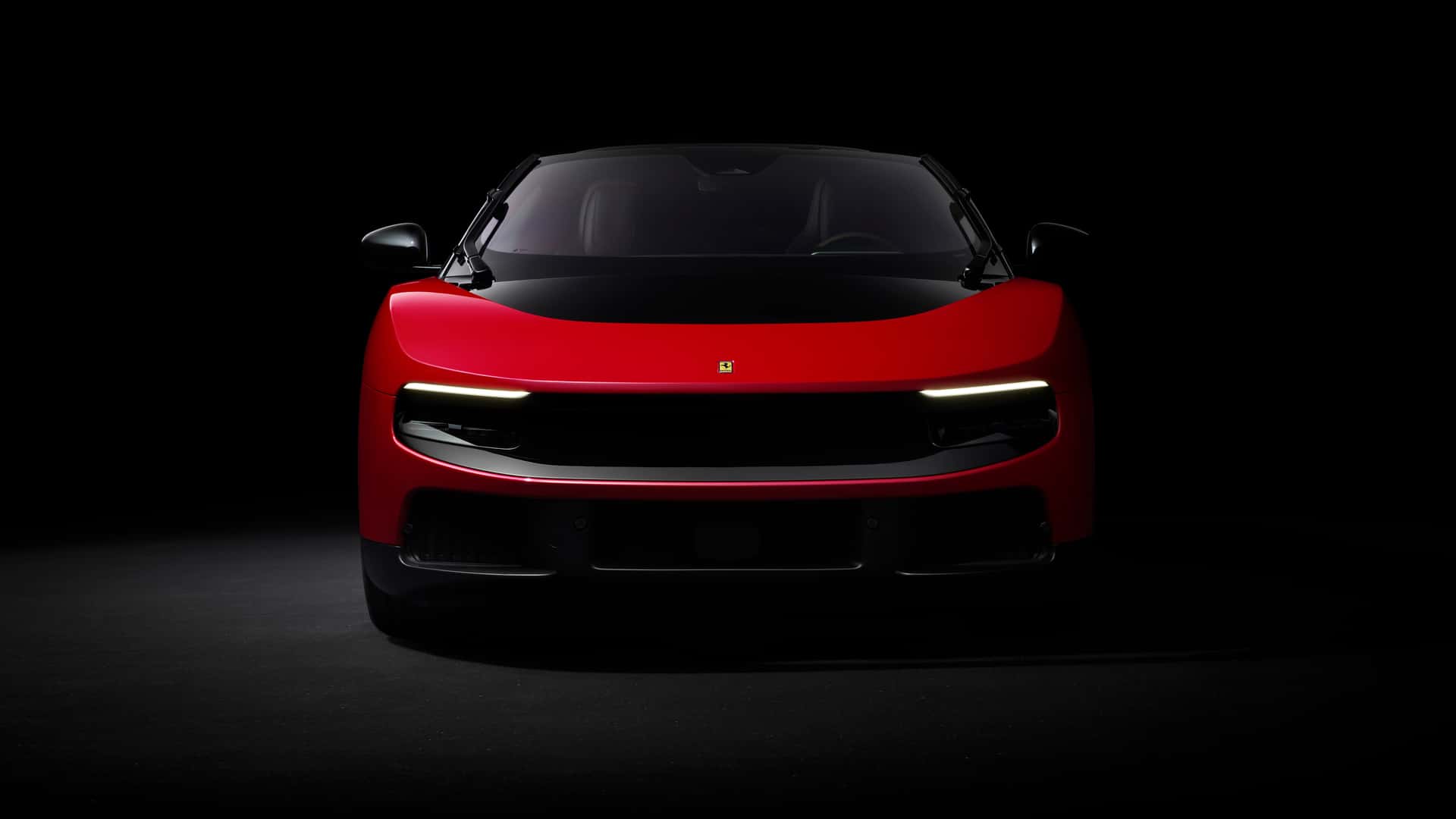
The vehicle utilizes massive wheels—23 inches in the front and 24 inches in the rear—to house the drivetrain components. Engineers also redesigned the windshield wipers, patenting a system that creates air vortices to maintain airflow without disruption.
Cabin Technology and Design Philosophy
The interior of the Luce represents a notable departure from the tech-heavy setups seen in recent models like the Purosangue. Ferrari has opted for a minimalist approach, utilizing OLED displays that prioritize clarity. The instrument cluster features three metal-ringed digital dials that move in tandem with the steering column, providing information on speed, battery charge, and power output.
In a significant change for the driver interface, the steering wheel replaces the touchpads found in earlier models with physical switchgear. This includes:
- A standard five-position manettino dial.
- An e-manettino dial specifically for powertrain management.
- Large steering-column-mounted paddles to adjust regenerative braking and maximum torque output.
The cabin configuration is also a first for the manufacturer, as the absence of a central tunnel and rear transaxles allows for a five-seat layout. A central touchscreen, which can be pivoted toward either the driver or the front passenger, complements a secondary screen located at the back of the center console for rear-seat occupants.
Market Positioning and Availability
Unlike limited-run halo projects of the past, the Luce is intended as a regular production model within the Ferrari lineup. Orders for the vehicle are opening immediately, with the base price set at €550,000, or roughly $640,000. As the company transitions toward this new electric era, the Luce serves as the primary indicator of how Maranello intends to balance its performance legacy with the functional requirements of an all-electric platform. The vehicle is expected to reach the U.S. market in the spring of 2027.
Strategic Integration and Production Scaling
The launch of the Luce arrives as Ferrari continues to refine its manufacturing capabilities at its Maranello facility. According to official corporate communications, the integration of high-density battery assembly lines has been a multi-year project, requiring a dedicated facility expansion to accommodate the specific cooling and packaging demands of the Luce’s electric architecture. The company has emphasized that while the powertrain is entirely new, the structural rigidity of the aluminum chassis adheres to the safety and performance standards established by its internal combustion predecessors.

The decision to move to a five-seater configuration represents a strategic pivot toward broader market accessibility. While historical Ferrari models have primarily targeted the two-seat or 2+2 sports car segments, the Luce’s interior volume is intended to compete in the luxury GT sector. This shift is supported by the removal of the traditional transmission tunnel, a design choice that maximizes legroom and enables a flat-floor cabin, which the design team at LoveFrom utilized to create a more open-concept interior environment.
From a regulatory standpoint, Ferrari has ensured that the Luce meets global homologation requirements for electric vehicles, including specific crash-safety standards for high-voltage battery enclosures. The company has indicated that it has been working with international regulatory bodies to ensure that the electronic driving aids—specifically the regenerative braking and torque vectoring systems—comply with current safety frameworks for high-performance EVs. These systems have undergone extensive testing, with the company’s internal development team prioritizing the preservation of the “Ferrari feel” through software-defined torque management.
Market analysts have noted that the Luce’s pricing strategy positions it within the ultra-luxury segment, directly competing with other high-performance electric platforms currently entering the market. Unlike previous limited-edition series that were sold out prior to public reveal, the Luce is slated for higher-volume production, signaling a shift in the company’s manufacturing strategy. By scaling production of the Luce, Ferrari aims to transition a larger percentage of its customer base to electric propulsion over the next production cycle, effectively setting the standard for the brand’s future portfolio.
The transition to electric power does not signify the end of the company’s traditional engineering focus, according to internal documentation. The Luce retains a specialized suspension geometry that mirrors the handling characteristics of the brand’s mid-engine sports cars. By placing the battery pack low within the chassis, engineers have achieved a center of gravity that remains consistent with the company’s performance benchmarks. This technical foundation, combined with the aesthetic influence of LoveFrom, is intended to define the visual and tactile identity of the brand’s future electric lineup.
