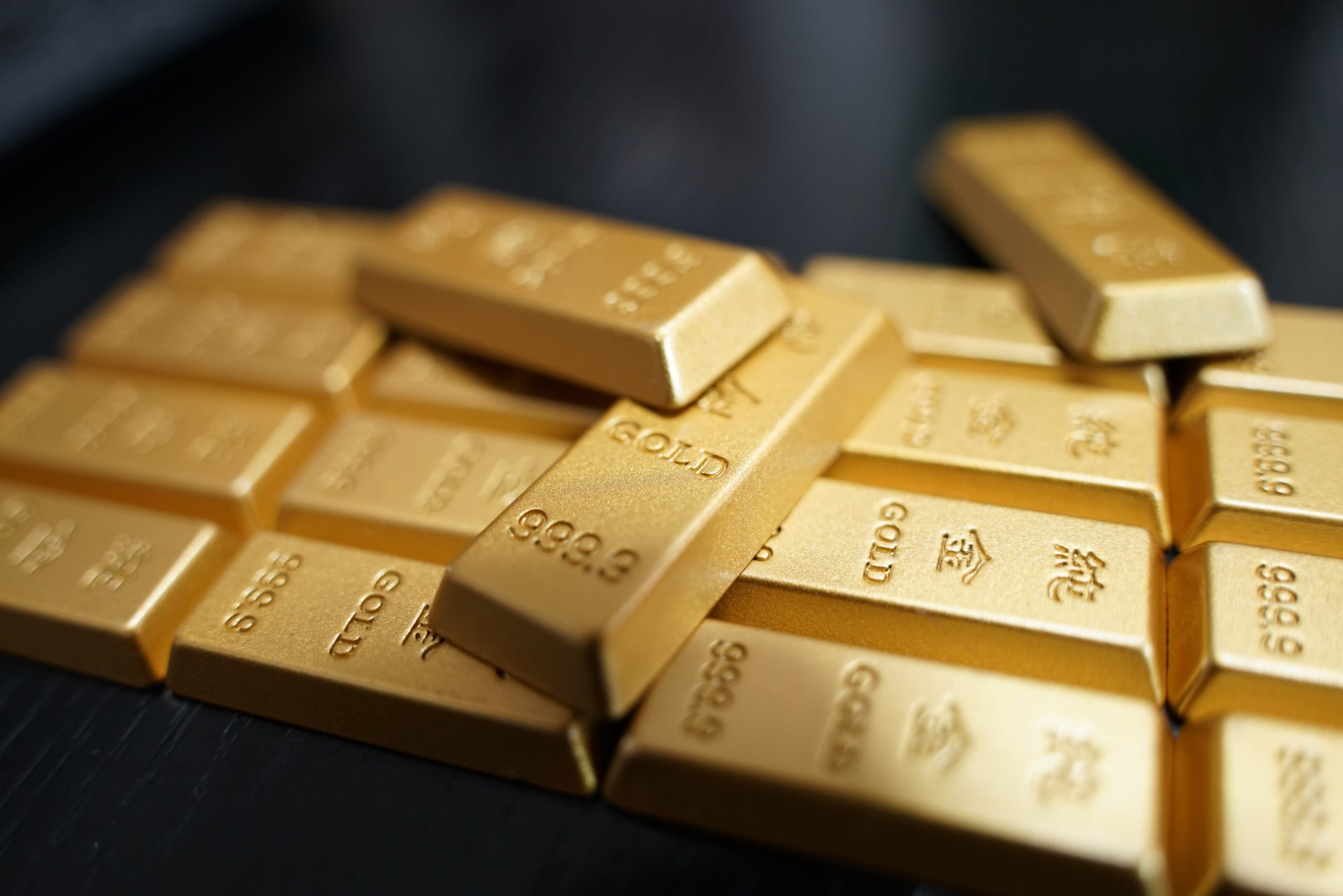
Gold prices are in freefall this week, down 0.8% for the week as inflation fears and Federal Reserve hawkishness collide with geopolitical tensions in the Middle East. Spot gold hit $4,502.59 per ounce Friday, its second straight weekly loss, while silver, platinum, and palladium all followed suit—each down at least 1.9%—as traders bet on higher U.S. interest rates to combat soaring energy costs. The Strait of Hormuz remains the flashpoint, with oil prices climbing on stalled U.S.-Iran peace talks, and Fed Governor Christopher Waller’s shift toward a potential rate hike adding to the downward pressure.
Gold’s Pivot Point: The $4,500 Per Ounce Psychological Threshold
The battle for gold’s near-term direction hinges on a single psychological level: $4,500 per ounce. After opening the week at $4,539.09, gold rallied on Middle East tensions but stalled just below $4,600, setting a weekly high of $4,588.64 before sellers reclaimed control. By Wednesday, prices had plunged to $4,453.00—their lowest point of the week—before clawing back above $4,500 by Thursday. The reversal wasn’t enough to quell bearish sentiment on Wall Street, where traders remain convinced that inflation risks and a stronger dollar will keep gold suppressed.

Federal Reserve’s Inflation Concerns and Market Sentiment
The Federal Reserve’s April meeting minutes, released this week, confirmed officials’ lingering concerns about inflation, particularly from energy prices and tariffs. Those fears have only intensified as U.S. consumer sentiment hit a record low in May, driven by surging gasoline costs. “Market participants are a bit like a rabbit in the headlights,” StoneX analyst Rhona O’Connell told reporters, pointing to the Strait of Hormuz as the catalyst for disrupted supply chains and inflationary pressures. The result? A 58% chance of at least one 25-basis-point Fed rate hike by December, according to CME Group’s FedWatch tool.

Market participants are a bit like a rabbit in the headlights, fixed upon Hormuz and, by association, disrupted supply chains across the board, which in turn is leading to inflationary fears and concerns about potential interest rate rises.
Contrasting Investor Perspectives: Wall Street vs. Retail Demand
The divergence between Wall Street and “Main Street” investors is stark. While institutional traders bet on further declines—with some eyeing a drop toward the 200-day moving average at $4,370—retail investors remain bullish, clinging to gold as a hedge against geopolitical and economic uncertainty. Adrian Day, president of Adrian Day Asset Management, predicts “a continuation of the recent back and forth with an upward bias for the next week,” while Marc Chandler of Bannockburn Global Forex warns that gold must break above $4,600 to regain momentum.
Fed Policy Shifts and the Dollar’s Impact on Gold Demand
Fed Governor Christopher Waller’s abrupt shift toward a potential rate hike has sent shockwaves through markets. Just months ago, Waller was advocating for lower rates; now, he’s signaling the central bank should “axe the easing bias,” effectively clearing the path for a hike. The timing couldn’t be worse for gold, which has long been a non-yielding asset—its appeal wanes when bond yields rise and the dollar strengthens.

The dollar’s six-week high has made gold more expensive for foreign buyers, further dampening demand. Meanwhile, Treasury yields—already near one-year highs—have sapped the metal’s allure as a safe haven. The Fed’s hawkish stance isn’t just about inflation; it’s about preempting a wage-price spiral in a labor market that remains stubbornly tight. With consumer sentiment at record lows, the risk of a self-reinforcing cycle of higher rates, weaker spending, and slower growth looms large.
Geopolitics vs.
The Strait of Hormuz isn’t just an oil chokepoint—it’s a trigger for gold’s volatility. As U.S.-Iran peace talks stall, oil prices have climbed, feeding inflation fears and reinforcing bets on Fed hikes. The longer the conflict drags on, the greater the risk of official gold sales from nations like Turkey and Gulf states, which have been quietly liquidating reserves to shore up currencies.
Gold’s struggle to sustain a rally above $4,600 reflects this tug-of-war. On one side, geopolitical risks should drive safe-haven demand; on the other, the Fed’s hawkishness and a stronger dollar create headwinds. The result? A market stuck in consolidation, with traders waiting for clarity on either the Middle East or the Fed’s next move.
- Breakout Above $4,600: If gold can close above this level, it may signal a shift in sentiment, with traders betting on a Fed pivot or Middle East de-escalation. However, Marc Chandler warns that even a rally in bonds hasn’t been enough to stabilize prices—gold bugs need more than just hope.
- Further Declines Toward $4,370: If the Fed remains hawkish and the dollar strengthens, gold could test its 200-day moving average, with downside risks extending toward $4,300. This scenario assumes inflation concerns persist and the Strait of Hormuz remains a flashpoint.
- Consolidation with an Upward Bias: The most likely outcome, according to Adrian Day, is continued volatility with gold trading in a tight range. The metal’s stubborn bullish bias on Main Street suggests retail investors aren’t done buying—just waiting for a clearer catalyst.
The wild card? The Fed’s June meeting. If Waller’s hawkish comments are an early signal of a broader shift, gold could face even more pressure. But if the central bank signals patience, the metal might find support—especially if Middle East tensions ease or oil prices retreat.
Gold’s ability to hold above $4,500 is a critical test. A break below that level could accelerate outflows, while a push above $4,600 might reignite bullish momentum. For now, the market is in limbo—caught between inflation fears, Fed policy, and geopolitical risks. The coming weeks will reveal whether gold’s safe-haven appeal outweighs its status as a non-yielding asset in a higher-rate environment.
One thing is clear: the Strait of Hormuz and the Fed’s next move will dictate gold’s trajectory. Investors should brace for more volatility—and watch closely for signs of a Fed pivot or Middle East thaw. Until then, gold remains a rollercoaster, with its fate hanging in balance.
