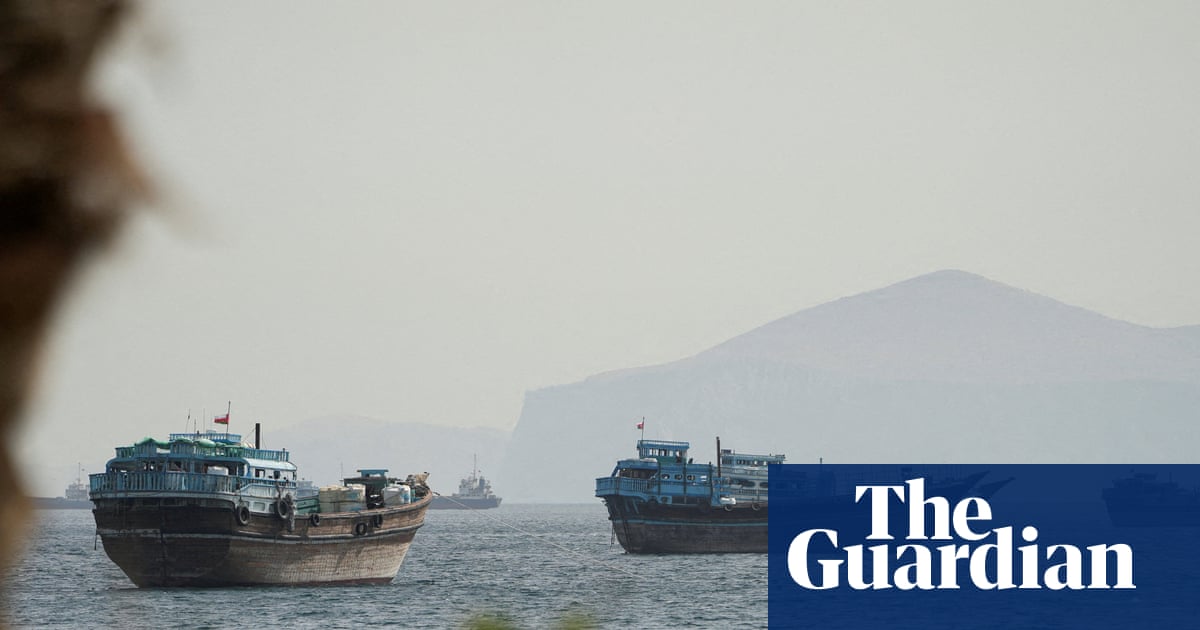
Oil prices surged back above $100 a barrel on Tuesday, May 27, 2026, as U.S. military strikes in southern Iran and escalating tensions in the Strait of Hormuz pushed the market past what analysts are calling a “point of no return.” The conflict has now disrupted global oil supplies for weeks, with Brent crude topping $126 earlier this month and Saudi Aramco warning of supply challenges that could last into 2027.
Strait of Hormuz: The Chokepoint That Could Reshape Global Oil
Before the crisis, the Strait of Hormuz handled roughly 20 million barrels of oil per day—about one-fifth of global supply. Since the blockade began, that figure has dropped by 14.4 million barrels daily, according to Saudi Aramco’s assessment. The shutdown has forced traders to reroute shipments, straining storage capacity and depleting emergency reserves. As of May 2026, global inventories have fallen by 246 million barrels in just two months, with cumulative production losses projected to exceed 1 billion barrels by month-end, per UBS analysis.
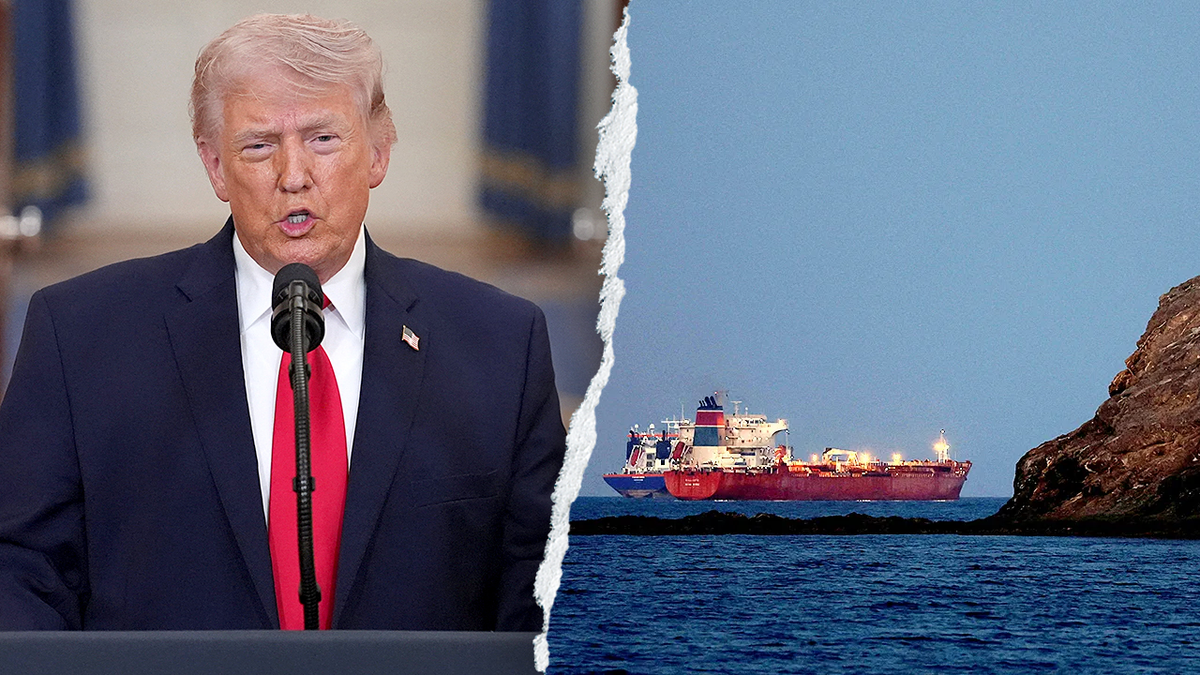
The U.S. military’s self-defense strikes in Iran on Tuesday—targeting mine-laying vessels and missile launch sites—only deepened uncertainty. The Islamic Revolutionary Guard Corps vowed retaliation, while President Donald Trump’s mixed signals on peace talks kept traders on edge. His warning that negotiations would proceed only as a “Great Deal for all or, no Deal at all” underscored the high stakes: a diplomatic breakthrough could ease prices, but the market may have already passed the threshold where even a deal won’t reverse the damage.
It just seems to be this endless loop of Charlie Brown and Lucy with the football.
Every’s analogy captures the market’s frustration. For months, traders have bet on a resolution—only to see prices spike again as tensions flare. The International Energy Agency’s Fatih Birol warned last week that the world could hit a “red zone” in July and August, consuming more oil than countries are producing. With emergency stockpiles nearly exhausted and demand set to rise over the summer travel season, the risk of further disruptions is acute.
Oil Prices: The Numbers That Tell the Story
| Date | Brent Crude Price | Key Event |
|---|---|---|
| Late April 2026 | $126/barrel | Peak due to Hormuz blockade |
| May 23, 2026 | $97/barrel | Brief dip on deal rumors |
| May 26, 2026 | $99.58/barrel | Post-strike rebound |
| May 27, 2026 | $100+/barrel | Sustained above threshold |
Brent crude, the global benchmark, has swung wildly in recent weeks. After briefly dipping below $100 on Monday—trading at $95.95—prices rebounded sharply on Tuesday, closing at $99.58. West Texas Intermediate (WTI), the U.S. benchmark, fell to $93.89 over the Memorial Day weekend but recovered as traders absorbed the impact of the strikes. The volatility reflects a market caught between hope for a diplomatic resolution and the harsh reality of dwindling supplies.
JP Morgan’s analysis highlights the severity: global oil demand fell by an average of 2.8 million barrels per day in March, with deeper declines of 4.3 million in April and 5.5 million in May expected. Yet even these cuts haven’t closed the gap. The bank warns that inventories are “critically low,” and without a swift resolution, the market could face a supply crunch that extends well beyond the summer.
What Comes Next: Three Scenarios for the Oil Market
- Diplomatic Breakthrough: If the U.S. and Iran reach a deal to reopen the Strait of Hormuz, prices could stabilize—but the damage to supply chains may already be irreversible. Saudi Aramco’s warning suggests even a partial reopening won’t immediately restore pre-crisis output.
- Escalation: Further military action or Iranian retaliation could push prices toward $130/barrel, triggering emergency measures like strategic reserve releases. The IEA’s Birol has signaled this is a real possibility by mid-year.
- Prolonged Stalemate: If negotiations stall, the market could remain in a state of chronic undersupply, with prices hovering near $100+ and refiners facing shortages of key products like diesel and jet fuel.
The Trump administration’s push to expand the Abraham Accords—now including Saudi Arabia, Qatar, and Jordan—adds another layer of complexity. While the move aims to isolate Iran diplomatically, it risks alienating Gulf producers already strained by production cuts. Analysts at HFI Research describe the situation as a “rude awakening” for traders who assumed a deal was imminent.
The market has reached the point of no return.
— HFI Research analysts, via <a href="https://www.theguardian.
The Human Cost: Who Pays?
The oil price surge has ripple effects far beyond trading floors. In developing nations, fuel costs already account for a disproportionate share of household budgets. The World Bank estimates that a $10/barrel increase can push 20 million people into poverty—a risk that grows as prices hover near record highs. Meanwhile, U.S. drivers face higher gasoline prices, though the White House has yet to signal direct intervention.

For energy-intensive industries—from airlines to chemical manufacturers—the outlook is grim. Airlines for America reported last week that jet fuel costs have risen 40% year-over-year, forcing some carriers to slash capacity or raise ticket prices. The Strait of Hormuz blockade has also disrupted global shipping, with rerouted tankers adding $5–$10 per barrel in transport costs.
The Bottom Line: Why This Matters
This isn’t just another oil price spike—it’s a structural shift. The market may have passed the point where temporary disruptions can be offset by spare capacity. With inventories at historic lows and demand set to rise, the risk of a sustained supply crunch is real. The next 30 days will determine whether the world avoids a full-blown energy crisis—or whether $100 oil becomes the new normal.
One thing is clear: the Strait of Hormuz isn’t just a geographic chokepoint. It’s the fulcrum of global energy security. And right now, it’s wobbling.
<!– /wp:paragraph As geopolitical tensions escalate, traders now grapple with volatile swings in oil inventories and uncertain OPEC+ compliance.