Diplomatic Progress and Military Volatility
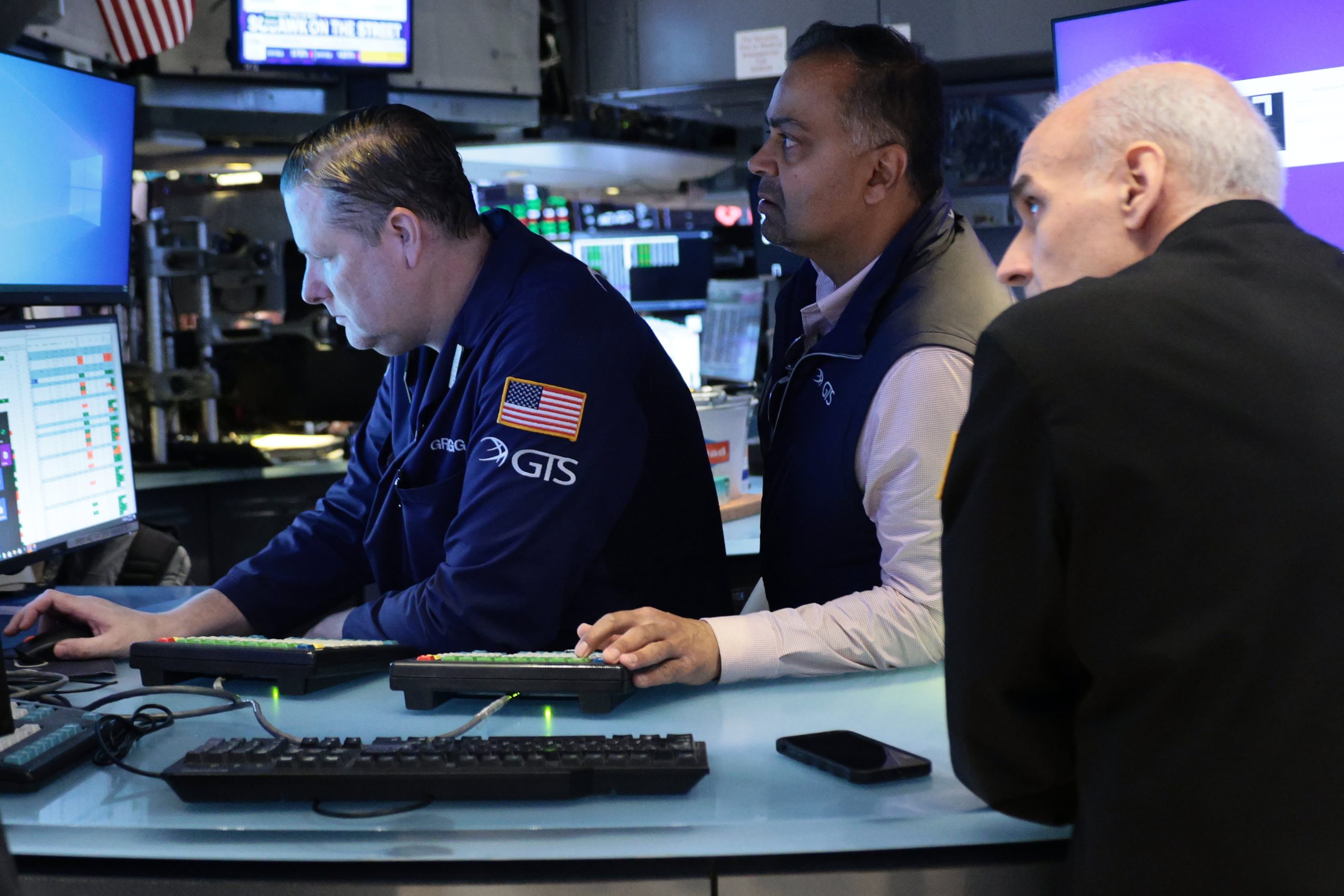
Wall Street returned from the Memorial Day holiday to a wave of optimism, with the S&P 500 climbing 0.8% and the Nasdaq Composite advancing 1.3%. This surge reflects a broader global market trend, as investors weigh the potential for a swift resolution to the war in the Persian Gulf. According to AP News, the U.S. markets were effectively playing catch-up with international bourses that had already priced in positive signals from Washington and Tehran.
The optimism stems from comments made by President Donald Trump on Monday, who stated that negotiations were “proceeding nicely.” This follows his Saturday assertion that a peace agreement had been “largely negotiated.” Yet, the path to peace remains volatile. Even as markets rose, the U.S. military confirmed it conducted “self-defense” strikes in southern Iran early Tuesday, targeting missile launch sites and boats attempting to place mines. U.S. Central Command spokesman Tim Hawkins noted that the military used “restraint during the ongoing ceasefire” between the two countries.
For many investors, the potential for a formal détente outweighs the immediate friction of ongoing skirmishes. As CNBC reported, market participants are now debating how much of the positive news has already been priced into current equity valuations.
“The consensus view still assumes there will be some type of a détente formally reached within the next few days between Washington and Tehran, which means the real question is how much of this is already priced in?” Adam Crisafulli, Vital Knowledge
Energy Price Volatility and the Strait of Hormuz
The war has exerted significant pressure on energy markets since it began in late February, with the closure of the Strait of Hormuz acting as a primary bottleneck for global oil supply. This disruption fueled inflation and squeezed consumer budgets worldwide. CBS News noted that while gasoline prices had seen a sharp increase, they have begun to ease in recent days as markets anticipate a deal.
The price action in the energy sector on Tuesday was mixed. U.S. crude (West Texas Intermediate) fell 2.9% to $93.83 per barrel, while Brent crude—the international standard—gained 4.3% to reach $100.27 per barrel. This volatility reflects the uncertainty surrounding the war’s end. National Economic Council Director Kevin Hassett expressed a bullish outlook on the potential for price relief, telling Fox Business that he believes “energy prices are going to plummet” once the Strait of Hormuz reopens.
Data from AAA highlights the tangible impact on consumers, with the national average for a gallon of gasoline falling to $4.49 on Tuesday from $4.53 a week earlier. Patrick De Haan, head of petroleum analysis at GasBuddy, attributed this to falling oil prices offsetting earlier price cycling in many markets, providing a much-needed respite for motorists.
Micron Technology and the Tech-Led Surge
Beyond the geopolitical narrative, technology stocks provided the primary muscle for the S&P 500’s climb. Micron Technology was a standout performer, jumping 14.4% on Tuesday. This rally was catalyzed by analysts at UBS, led by Timothy Arcuri, who significantly raised their 12-month price target for the stock to $1,625 from $535. The aggressive upgrade is based on forecasts of sustained demand for computer memory, a sector that has seen significant volatility but remains a cornerstone of the current AI-driven economic narrative.
The broader semiconductor and memory chip industry followed suit, with Seagate Technology and Western Digital rising 3% and 8%, respectively. The Roundhill Memory ETF (DRAM) also saw a 12% gain. This movement underscores a persistent confidence in the tech sector’s long-term growth, even as high bond yields threaten to increase borrowing costs for companies looking to expand data center capacity.
Market Resilience Amidst Structural Headwinds

Despite the record-setting pace of equity indexes, analysts remain cautious about the underlying economic fundamentals. While the S&P 500 notched its longest weekly winning streak since late 2023 last week, higher oil prices and elevated inflation remain persistent concerns. Adam Parker, founder of Trivariate Research, acknowledged the rally’s strength but pointed to the fundamental drivers.
“There is no doubt that fundamentals are at least partially responsible for the market rally. With earnings projected to grow 23% this year, and 16% next year, there’s a credible argument to make that despite the increasing projections for earnings, and strong earnings growth, the price-to-forward earnings has been modestly contracting.” Adam Parker, Trivariate Research
The next 30 days will likely be defined by the finalization of the Iran deal. Any delay or collapse in negotiations risks reigniting the “catastrophic spiral of violence” that investors fear, which would likely exacerbate existing supply chain strains. For now, the market is betting on diplomacy. As the U.S. bond market sees yields ease—with the 10-year Treasury yield falling to 4.49% from 4.56% late Friday—the environment remains supportive for risk assets. However, the path ahead depends entirely on whether the ceasefire evolves into a durable peace or returns to the battlefield.
