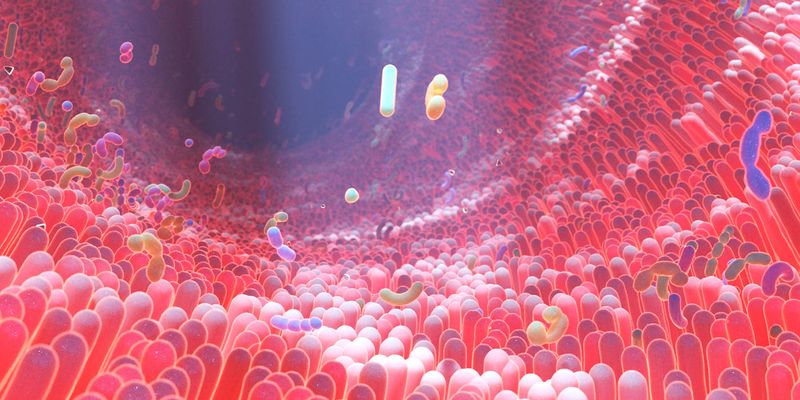
As researchers dig deeper into the human microbiome, a startling truth is emerging: the trillions of bacteria living in our guts may hold the key to unlocking—or locking—the effectiveness of cancer treatments. Two new developments this year highlight how microbial diversity isn’t just a bystander in oncology but a critical player in determining whether immunotherapy, chemotherapy, and even stem cell transplants will work. With a webinar from City of Hope and fresh data from the European Society of Clinical Microbiology and Infectious Diseases (ESCMID) Global Congress, the science is no longer theoretical. It’s reshaping clinical trials, patient outcomes, and even how doctors prescribe care.
The implications are profound: A patient’s gut bacteria could soon be as critical to their cancer treatment plan as the tumor itself. But with no universal “good” microbiome profile identified—and conflicting evidence on how to manipulate it—the field is still grappling with how to turn this discovery into reliable, personalized medicine.
The Microbiome as Immune System Director
For decades, cancer treatment focused almost exclusively on the tumor: shrink it, starve it, or train the immune system to attack it. But emerging research now shows that the gut microbiome—those invisible colonies of bacteria, viruses, and fungi living in our digestive tracts—acts like a silent director, orchestrating how well the body responds to those treatments. According to Drug Discovery News, which hosted a webinar featuring Robert Jenq, MD, a professor at City of Hope, the microbiome doesn’t just influence outcomes—it can determine whether a patient becomes a responder or a non-responder to therapies like immune checkpoint inhibitors, CAR T-cell therapy, and even hematopoietic cell transplantation (HCT).


The mechanism? Gut bacteria produce metabolites that modulate inflammation, shape the tumor microenvironment, and even alter how drugs are metabolized. Jenq’s research, presented in the webinar, underscores that microbial function—not just the presence of certain species—is the game-changer. For example, some bacteria enhance CD8+ T-cell activity, the immune cells responsible for attacking tumors, while others may promote immune suppression or even resistance to therapies. The variability in patient responses, even among those with identical tumor profiles, can now be partially explained by their unique microbial fingerprints.
Faecal Microbiota Transplants: The Boldest Test Yet
If the microbiome is a critical player, could transferring it from one person to another—like a biological “software update”—boost treatment efficacy? That’s the radical question being explored through faecal microbiota transplantation (FMT), a procedure more commonly associated with treating Clostridioides difficile infections. EMJ’s coverage of ESCMID 2026 highlights how FMT has become one of the most compelling pieces of evidence linking the microbiome to cancer therapy outcomes. In preclinical and early clinical studies, FMT from responders to immunotherapy has shown promise in “reprogramming” the immune systems of non-responders, effectively turning some patients from treatment failures into success stories.
But here’s the catch: No single microbial signature has emerged as universally beneficial. Instead, the data suggest that functional diversity—the ability of a patient’s gut bacteria to produce a range of metabolites—matters more than the presence of any single species. This complexity explains why some trials have yielded mixed results. As Cristina Royo-Cebrecos, an internal medicine specialist at Hospital Nostra Senyora de Meritxell in Andorra, noted in her ESCMID review, the field is shifting from asking, “Which bacteria are good?” to “What metabolic outputs do we need to enhance?”
The Clinical Trial Gap: Why Personalized Microbiome Therapy Isn’t Here Yet
- Lack of standardization: Microbiome testing isn’t yet part of routine cancer care. Different labs use different sequencing methods, making it difficult to compare results across studies or clinics.
- Mechanistic ambiguity: While researchers know that the microbiome influences outcomes, they’re still deciphering the how—which metabolites matter, which bacterial pathways are critical, and how to measure them reliably.
- Ethical and practical barriers: FMT, while promising, raises questions about safety, long-term effects, and how to match donors to recipients in a way that maximizes benefit without introducing new risks.
Jenq’s webinar and the ESCMID data both emphasize that the next frontier isn’t just identifying “good” bacteria—it’s understanding how to engineer a patient’s microbiome to support their specific therapy. For example, in allogeneic HCT (a common treatment for blood cancers), certain microbial profiles have been linked to lower rates of graft-versus-host disease (GVHD), a deadly complication where transplanted immune cells attack the patient’s body. Yet no two patients’ microbiomes respond the same way to these interventions.
What This Means for Patients Today
For now, patients shouldn’t expect microbiome-based cancer treatments to replace standard therapies—but they may soon complement them.
- Probiotics with purpose: While generic probiotics (like those marketed for digestion) won’t cut it, researchers are testing targeted bacterial strains designed to enhance immune responses in cancer patients. Some early trials are exploring whether specific bacteria can improve checkpoint inhibitor efficacy.
- Diet as a first line of defense: Dietary interventions—such as high-fiber, plant-rich meals—are being studied for their ability to shape a microbiome more conducive to treatment success. The ESCMID data suggests that metabolic outputs from diet can directly influence therapy outcomes.
- Microbiome profiling in clinical trials: Increasingly, oncology trials are incorporating microbiome analysis to stratify patients. A patient whose bacteria suggest poor immunotherapy response might be offered alternative treatments or microbiome-modulating therapies upfront.
- FMT as a last resort: While not yet standard, FMT from carefully selected donors could become an option for patients who fail conventional therapies, particularly in blood cancers where GVHD is a major risk.
The biggest question remains: When will this become mainstream? Jenq’s research suggests we’re still in the “proof of concept” phase, while ESCMID’s findings indicate the field is moving rapidly toward functional, rather than taxonomic, approaches. The next 12–24 months will likely see the first microbiome-based adjunct therapies enter late-stage trials, with potential approvals for specific indications (like GVHD prevention) emerging by 2028.
The Bigger Picture: Beyond Cancer
If the microbiome’s role in cancer treatment pans out, it could redefine medicine far beyond oncology. The same principles—personalized microbial modulation, functional diversity over species counts—apply to autoimmune diseases, metabolic disorders, and even infectious disease susceptibility. The ESCMID congress reinforced that the gut isn’t just a digestive organ; it’s a systemic regulator of health, one that interacts with nearly every other organ.
For patients, the takeaway is clear: The future of cancer care won’t be one-size-fits-all. As Jenq’s work and the ESCMID data show, a patient’s gut bacteria could soon be as critical to their treatment plan as the tumor itself. The challenge? Turning this scientific promise into practical, accessible care—before the microbiome’s potential is lost in the noise of clinical complexity.
For now, the message to patients is simple: Stay tuned. The gut’s role in cancer is no longer speculative—it’s a frontier worth watching.
Consult your healthcare provider for personalized medical advice related to cancer treatment or microbiome research.
