Australia detects H5 avian flu in multiple wild birds
The arrival of H5N1 avian influenza on the Australian mainland has prompted biosecurity measures to protect endangered species and the poultry industry.
- Headline Dispatch: Australia detects H5 avian flu in multiple wild birds
- Core Takeaway: The arrival of H5N1 avian influenza on the Australian mainland has prompted biosecurity measures to protect endangered species and the poultry industry.
- Source Synthesis: Continuous live monitoring aggregated across major news wires and independent bureaus.
Australia detects H5 avian flu in multiple wild birds
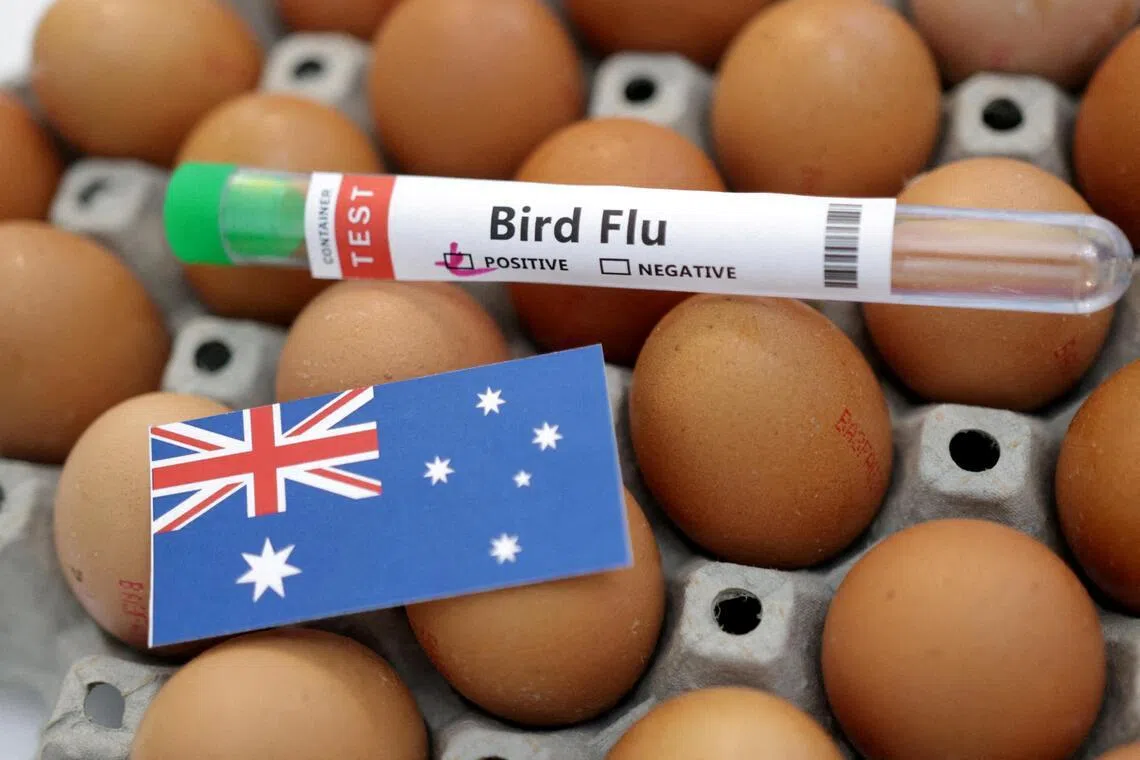
The Australian mainland is no longer free of the highly pathogenic H5N1 avian influenza. Federal Agriculture Minister Julie Collins confirmed this weekend that a wild migratory brown skua found in Western Australia died from the H5N1 virus, ending Australia's status as the only continent without a confirmed mainland case.
The brown skua was discovered sick on June 14 at Cape Le Grand National Park near Esperance, approximately 700 kilometres south-east of Perth, before dying that night. Initial positive tests from a Western Australian laboratory were later confirmed by the CSIRO’s Australian Centre for Disease Preparedness. A second bird, a giant petrel found in the same area, also tested positive at a state laboratory, with results currently undergoing confirmation at the CSIRO lab.
Australia's chief veterinary officer Beth Cookson stated on June 27 that a fourth wild bird, another giant petrel in Western Australia, was found to have the disease. This follows two previous cases in Western Australia and one in South Australia. A fifth case is currently suspected; samples from another giant petrel found near Esperance have been sent for testing.
According to BirdLife Australia, the infected birds likely migrated from the sub-Antarctic. The virus has already caused devastation on Heard Island, an Australian territory roughly 4,000km south-west of Perth. Researchers estimate the virus arrived there in August 2025, subsequently killing hundreds of king penguins and more than 13,000 southern elephant seal pups out of a population of 17,364.
Impact on Wildlife and Agriculture
The H5 strain is described by veterinary epidemiologist Dr Ariful Islam as a panzootic
, having affected over 100 mammal types and more than 560 wild bird species globally since 2021. Experts warn the virus could prove catastrophic for endemic Australian species.
Wayne Boardman, an associate professor at Adelaide University, stated the virus poses a huge risk
to endangered shorebirds, coastal raptors, and Australian sea lions. The Australian Marine Conservation Society noted that with only 12,000 Australian sea lions remaining along the coasts of Western Australia and South Australia, the virus represents a real extinction risk
.
Other highly susceptible species identified by authorities include the Tasmanian devil and the critically endangered orange-bellied parrot. To mitigate these risks, the government has developed over 100 response plans for natural sites and at-risk animals.
While no infections have been detected in commercial poultry, the industry has reacted swiftly. Chicken producer Inghams Group implemented a complete lockdown
of its Western Australian operations following the detections.
Human Health and Public Safety
Health authorities maintain that the risk to the general public remains low. The Australian Centre for Disease Control notes that human infections are rare and often mild, typically occurring among people who work closely with infected poultry or dairy cattle. Symptoms may include fever, cough, sore throat, muscle aches, and conjunctivitis.
From 2003 to early 2026, the World Health Organization reported 997 human H5 infections across 25 countries, with 478 resulting in death. In the United States, the CDC reported two deaths from 71 cases.
Minister Julie Collins has urged the public not to touch sick or dead animals. Citizens are asked to take photos from a safe distance, record the location, and report sightings via birdflu.gov.au or the emergency animal disease hotline at 1800 675 888.
National Response and Preparedness
Environment Minister Murray Watt said Australia has spent the past few years preparing for this event through war-gaming response plans, vaccinating vulnerable species, and tightening farm biosecurity.
But some advocates argue the response is insufficient. BirdLife Australia CEO Kate Millar stated that $11.2m for at-risk species is simply not sufficient now that H5 bird flu is here
, while the Invasive Species Council has called for $200m over two years to restore habitats and reduce predators to boost wildlife resilience.
The federal government has convened a meeting of industry experts and representatives from states and territories to coordinate the response. National coordination will be led by the Department of Agriculture, Fisheries and Forestry, with Western Australia acting as the lead jurisdiction for increased surveillance. Authorities expect to determine within days whether the disease has spread further into local wildlife populations.
How significant is this development?
Participate in our community survey on the trajectory and real-world impact of this news.