US CDC raises Ebola response to highest level for Central Africa outbreak
The CDC has escalated its operational response to the highest level following a severe Ebola outbreak in Central Africa involving the Bundibugyo virus strain.
- Headline Dispatch: US CDC raises Ebola response to highest level for Central Africa outbreak
- Core Takeaway: The CDC has escalated its operational response to the highest level following a severe Ebola outbreak in Central Africa involving the Bundibugyo virus strain.
- Source Synthesis: Continuous live monitoring aggregated across major news wires and independent bureaus.

US CDC raises Ebola response to highest level for Central Africa outbreak
The U.S. Centers for Disease Control and Prevention (CDC) escalated its emergency response posture to Level 1, its highest operational level, on June 25, 2026. This designation is reserved for the most severe health crises and enables the agency to mobilize the maximum number of staff and resources possible to manage the response.
The move follows the steady expansion of an Ebola outbreak in the Democratic Republic of Congo (DRC) and neighboring Uganda. According to the World Health Organization (WHO), this epidemic involves the Bundibugyo virus strain. The outbreak has infected over 1,200 people in Congo, resulting in 321 deaths, and has reached 20 people in Uganda. The WHO noted this represents the highest first-month total of any episode of the disease.
Despite the internal escalation, federal health officials emphasize that the immediate risk of transmission to the general public within the United States remains low. Public health officials noted that Ebola does not spread like respiratory viruses such as COVID-19 or influenza, requiring direct contact with the blood, secretions, or other bodily fluids of a symptomatic person or someone who has died from the disease.
Operational Response and Funding
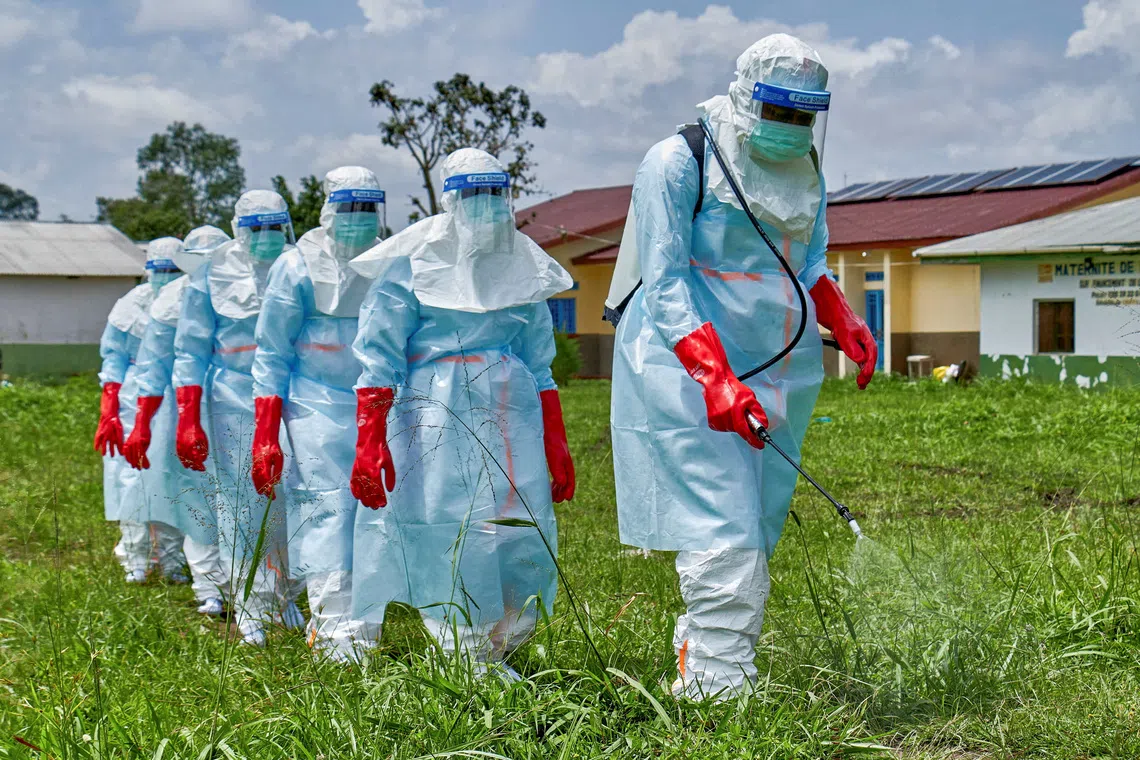
The CDC has deployed 19 staff members overseas to assist country teams, contributing to a total of more than 100 employees stationed domestically and globally. This includes nearly 100 staff in Uganda and 24 permanently in Congo. These teams are providing laboratory support, data analysis, training, and exit screenings at airports.
To further the effort, the CDC has trained 25 local field epidemiologists to operate in areas inaccessible to agency staff. The agency also announced the availability of $107 million in emergency funding. Meanwhile, a Trump administration official told Reuters that the White House is seeking more than $1.4 billion in new funds from Congress, including $800 million for a quarantine center in Kenya for Americans exposed to the virus.
The U.S. Is also shipping experimental treatments to Africa and preparing to deploy 2,500 diagnostic tests. However, health officials noted a critical challenge: the Bundibugyo strain currently lacks any approved vaccines or targeted antiviral therapies, unlike the Zaire ebolavirus strain which can be treated with monoclonal antibodies and the FDA-approved ERVEBO vaccine.
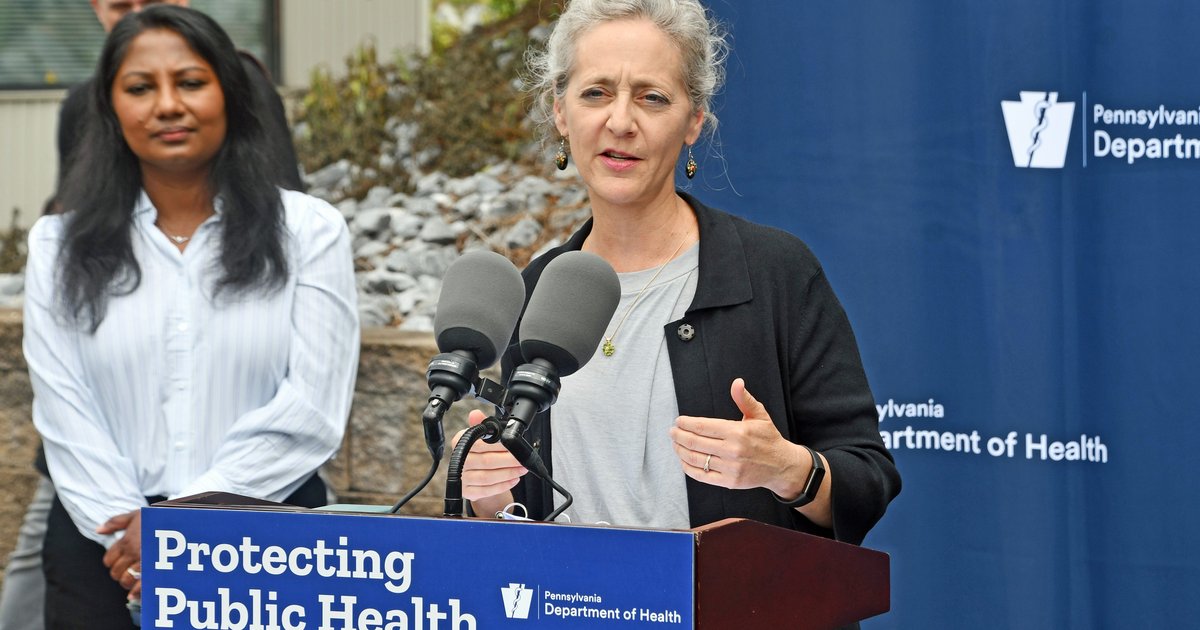
"Elevating the response level reflects the urgency, scale, and complexity of the outbreak, and allows CDC to bring additional resources to support the coordination and operational needs of our response,"
Satish Pillai, CDC Ebola response incidence manager, via The Hill
Challenges to Containment
The outbreak is primarily clustered in the DRC’s eastern provinces, including South Kivu, North Kivu, and Ituri. These regions face fragmented health infrastructure and regional conflicts, which the WHO warns may result in official case numbers being a conservative estimate of the actual scope.
Dr. Tedros Adhanom Ghebreyesus, Director-General of the WHO, designated the epidemic a Public Health Emergency of International Concern (PHEIC) on May 16, 2026. Containment currently relies on traditional public health strategies, such as aggressive contact tracing, active case finding, and safe burials to prevent transmission during funeral practices.
Dr. Anne Ancia, the WHO representative in the DRC, told reporters that containment depends heavily on grassroots community engagement and building trust to prevent people from delaying medical evaluation due to fear or misinformation.
Domestic Precautions and Travel
The U.S. Has imposed travel restrictions on non-U.S. Citizens, including lawful permanent residents, who were recently in Uganda, South Sudan, or Congo. These restrictions are scheduled to remain in place through July 21.
While the CDC maintains that border screenings are effective because individuals are not contagious during the incubation period, some infectious disease experts and global health authorities argue that travel restrictions rarely prevent the introduction of pathogens and can create stigma. Some veterans of previous outbreaks suggest the administration is more focused on domestic exclusion than the fight abroad.
Guidelines for those returning from affected regions mandate strict symptom tracking for 21 days. Healthcare professionals are advised to update travel history screening for any patients presenting with sudden fevers.
How significant is this development?
Participate in our community survey on the trajectory and real-world impact of this news.