Jolted by Ebola, Countries Try Again to Finish Pandemic Treaty
World Health Organization members are meeting in Geneva to resolve disputes over the PABS system as new health crises heighten the urgency for a treaty.
- Headline Dispatch: Jolted by Ebola, Countries Try Again to Finish Pandemic Treaty
- Core Takeaway: World Health Organization members are meeting in Geneva to resolve disputes over the PABS system as new health crises heighten the urgency for a treaty.
- Source Synthesis: Continuous live monitoring aggregated across major news wires and independent bureaus.
Jolted by Ebola, Countries Try Again to Finish Pandemic Treaty
World Health Organization member states began a new attempt on Monday, July 6, 2026, to finalize the remaining component of a global pandemic treaty. The effort comes as an Ebola outbreak in the Democratic Republic of the Congo and a recent hantavirus incident on a cruise ship heighten urgency at the WHO headquarters in Geneva.
While the overarching pandemic agreement was adopted in May 2025 following more than three years of negotiations sparked by Covid-19, the operational details of its primary mechanism were omitted to secure the initial deal. This missing piece is the Pathogen Access and Benefit-Sharing (PABS) system.
The PABS system is designed to manage the sharing of pathogens with pandemic potential and ensure that the resulting benefits—including treatments, tests, and vaccines—are shared equitably. According to the WHO, countries cannot begin ratifying the treaty until this annex is complete. Despite a goal to finish the work long before May 2026, progress has remained slow.
Divided Interests and Diplomatic Strain
The negotiations have seen wealthy and developing nations clash over the terms of benefit-sharing. Developing countries have expressed concern that without mandatory requirements for pharmaceutical companies to share products created from shared data, the world could see a repeat of the Covid-19 crisis, where poorer nations were the last to receive vaccines.
Conversely, industry representatives argue that such mandatory requirements could stifle research and development. This impasse has led to seven rounds of talks, with current sessions scheduled to run until July 17. Diplomatic teams, particularly those from small nations with limited staff in Geneva, have been left drained by negotiations that frequently extend late into the night with only miniscule advances.
The high stakes were highlighted in a joint letter from WHO director-general Tedros Adhanom Ghebreyesus and Brazilian president Luiz Inácio Lula da Silva. Addressing world leaders as a G7 summit began in France, they stated that the next pandemic will not wait and called for political will at the highest level. The letter noted that Covid-19 cost economies more than $13tn and resulted in estimates of up to 20 million lives lost.
Current Health Alerts
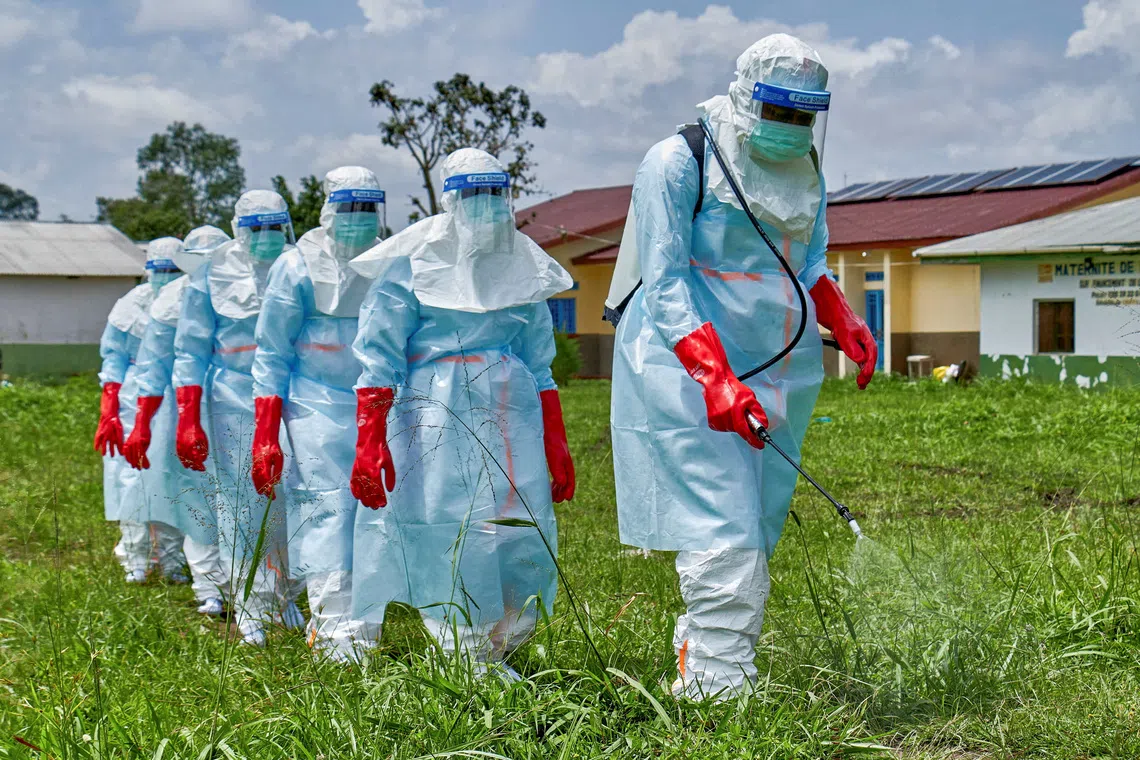
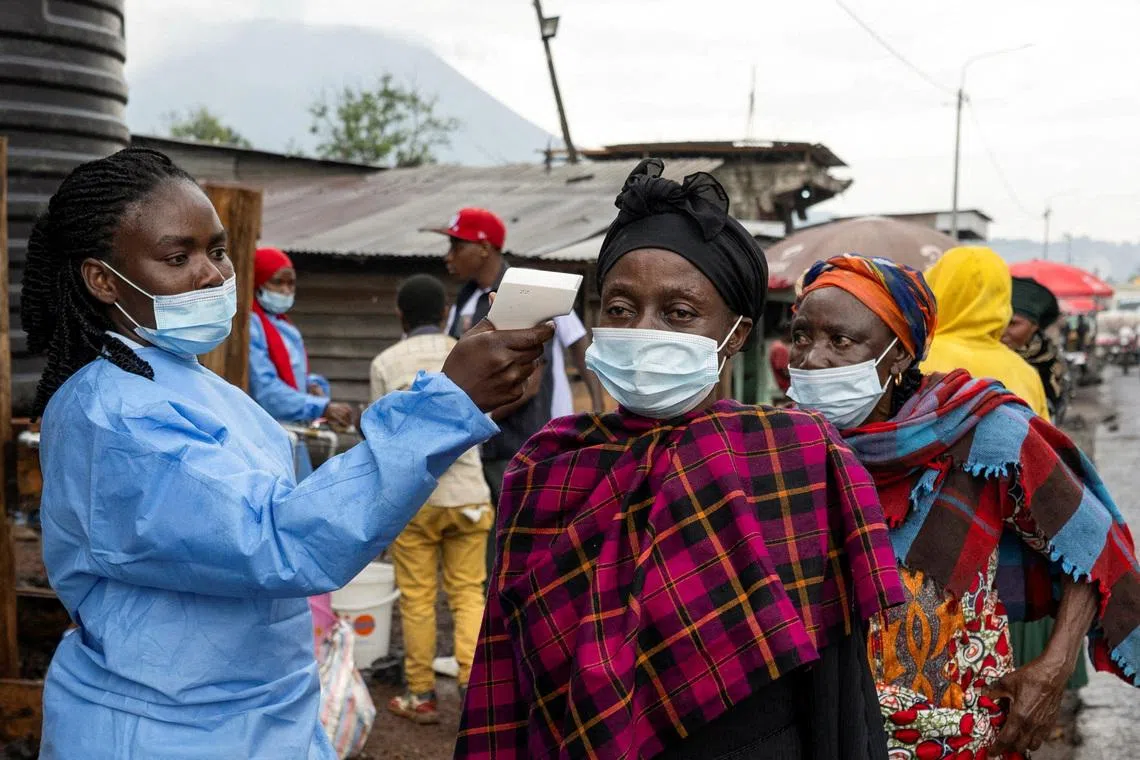
The push for a finished treaty is underscored by ongoing threats. An Ebola outbreak declared in mid-May in the Democratic Republic of the Congo has since spilled over into Uganda. Data shows 1,528 confirmed cases and 492 confirmed deaths in DR Congo, though an earlier report cited 782 cases and 181 deaths as the outbreak expanded.
WHO chief Tedros Adhanom Ghebreyesus stated that while Ebola may not be the next pandemic, it serves as a painful
reminder that threats never truly disappear. He further pointed to a deadly hantavirus outbreak on the MV Hondius vessel in the Atlantic Ocean, which was declared over on July 2. That event triggered a global health alert affecting 33 countries and territories, demonstrating that danger can emerge in unexpected ways.
The Path Forward
Tedros urged member states to grasp the nettle
and maintain their focus on a destination where pathogen information moves quickly and benefits reach those who need them most fairly and in time.
"Every month that this annex remains unfinished is a month the world stays less prepared than it could be. It is people – real people, real families – left less safe than they deserve to be,"
Tedros Adhanom Ghebreyesus, WHO director-general, via AFP
The current round of talks continues through July 17, with the aim of completing the PABS annex to enable the formal ratification of the pandemic agreement.
How significant is this development?
Participate in our community survey on the trajectory and real-world impact of this news.