US restricts travel from Congo, Uganda and South Sudan over Ebola outbreak
The United States has implemented a 30-day travel suspension for individuals arriving from three African nations following a WHO public health emergency.
- Headline Dispatch: US restricts travel from Congo, Uganda and South Sudan over Ebola outbreak
- Core Takeaway: The United States has implemented a 30-day travel suspension for individuals arriving from three African nations following a WHO public health emergency.
- Source Synthesis: Continuous live monitoring aggregated across major news wires and independent bureaus.
US restricts travel from Congo, Uganda and South Sudan over Ebola outbreak
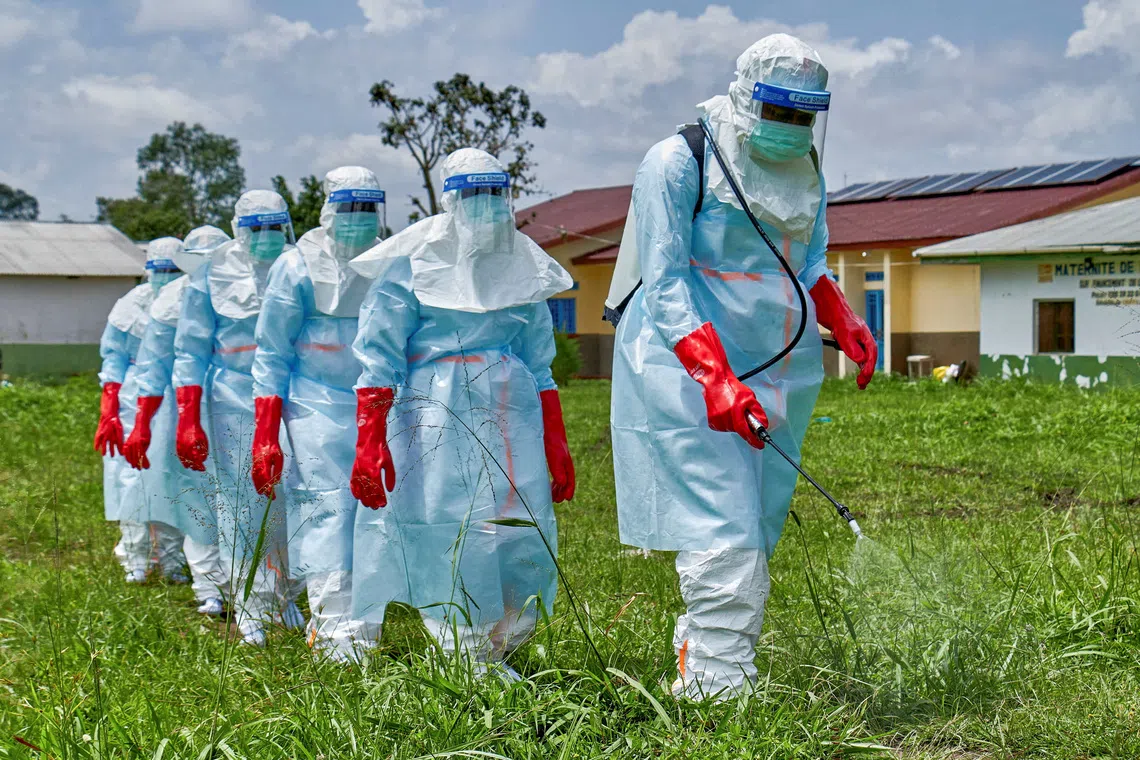
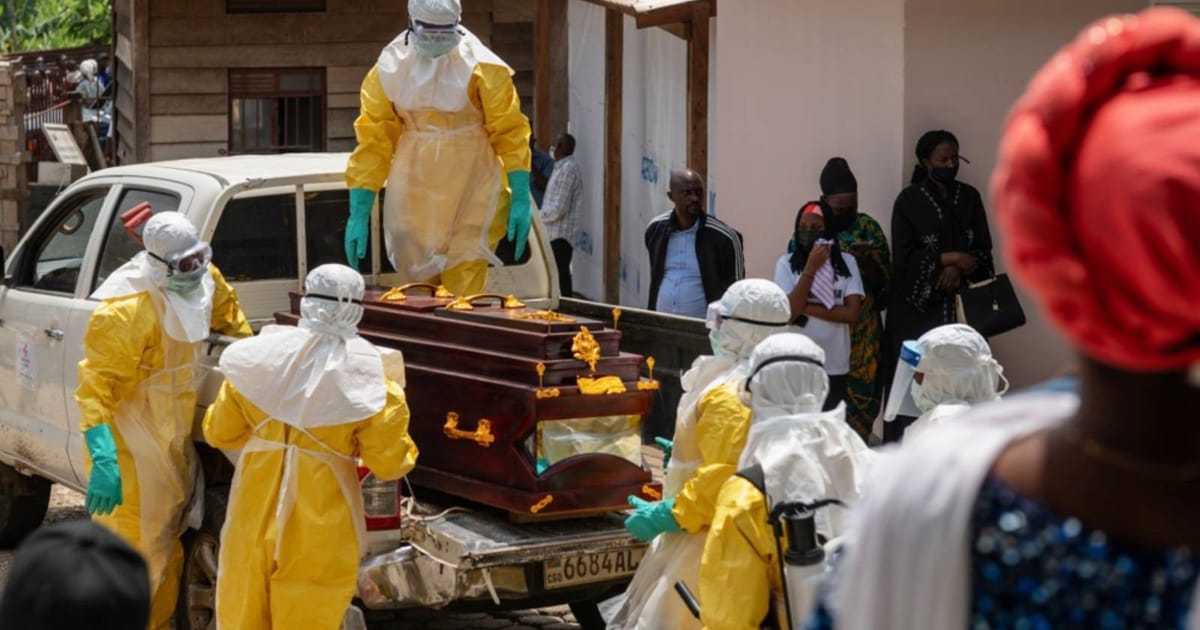
The United States has implemented a 30-day travel suspension for individuals arriving from the Democratic Republic of Congo (DRC), Uganda, and South Sudan. The measure follows a public health emergency declared by the World Health Organization in eastern DRC, where a Bundibugyo strain of Ebola is spreading.
Under the new directive, the Centers for Disease Control and Prevention (CDC) is halting entry for travelers who have been in those three nations within the previous 21 days, regardless of their country of origin. This order was issued under Title 42, a public health law allowing federal authorities to bar migrants to prevent the spread of contagious diseases.
The restrictions do not apply to U.S. Citizens, U.S. Nationals, lawful permanent residents, members of the U.S. Military, government personnel overseas, or their spouses and children. Other exceptions include non-citizens approved by the Department of Homeland Security or those deemed exempt by customs officers.
Single-Airport Screening Hub
In a departure from the five screening hubs used during the 2014 outbreak, Washington is now funneling all U.S.-bound American citizens and lawful permanent residents who recently traveled through the affected regions through a single point of entry: Washington Dulles International Airport.
Dulles will serve as the primary Ebola checkpoint. Travelers arriving from the affected countries within the last 21 days will undergo temperature screening, health checks, and questioning by CDC officials. Those suspected of exposure will be moved to hospital isolation units for monitoring and testing.
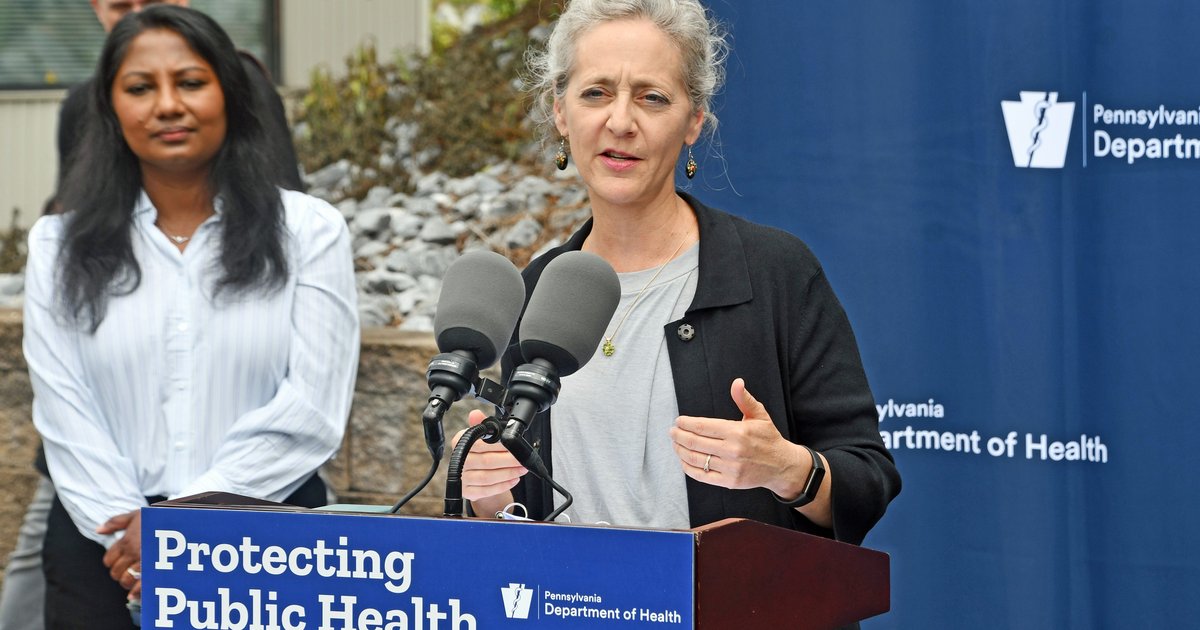
Secretary of State Marco Rubio defended the measures, stating that the administration's top priority is preventing the virus from reaching American soil.
"We care about Ebola, we don’t want anyone dying or being affected by Ebola, but our number one priority will always be making sure it doesn’t come to the United States,"
Marco Rubio, Secretary of State
Impact on U.S. Citizens
While the Title 42 entry ban excludes citizens, separate restrictions under Title 49 transportation authority are targeting Americans within the DRC. U.S. Citizens in the DRC, or those who recently left, will be placed on a do-not-board
list until they have spent at least 21 days in a third country.
U.S. Health secretary Robert F. Kennedy Jr. Signed an order on Monday, July 14, 2026, citing increased risks as the virus spread to areas just hours outside Kinshasa. The state department is providing support to affected citizens, including approximately two dozen Americans who were scheduled to fly to the U.S. On Tuesday.
The virus has already affected American medical and aid workers. The CDC reported in May that Dr. Peter Stafford, with the Serge Christian mission organization, contracted the virus and was brought to Germany for treatment. Another U.S. Citizen working for a humanitarian organization tested positive for the Bundibugyo strain, and a third American infected in Congo was admitted to Frankfurt University Hospital in Germany on Monday, July 14, 2026. An additional American doctor exposed to the virus is currently under quarantine in the Czech Republic.
Outbreak Data and Symptoms
The Bundibugyo strain currently has no approved vaccines or treatments. Official data from late Sunday showed confirmed Ebola cases in the DRC had reached 1,926, with 702 deaths. However, Congolese health authorities and international agencies report a different set of figures, citing over 600 suspected cases and more than 160 deaths. In neighboring Uganda, two cases were confirmed, and the outbreak is suspected to have claimed roughly 80 lives in recent weeks.
The CDC warns that the virus' incubation period, which can last up to 21 days, allows infected people to travel while asymptomatic. Symptoms typically appear eight to 10 days after exposure, beginning with dry
symptoms. After four to five days, patients may progress to wet
symptoms. Other signs include:
- High fever, vomiting, and internal or external bleeding
- Chest pain and shortness of breath
- Confusion, red eyes, and skin rash
- Hiccups and seizures
International and Economic Reaction
The crackdown has already caused aviation disruptions. An Air France flight from Paris to Detroit diverted to Montreal after a Congolese passenger boarded despite restrictions; the traveler was later returned to Paris after showing no symptoms.
Ugandan Information Minister Chris Baryomunsi accused the U.S. Of overreacting
, suggesting the move could damage regional economic activity. There are concerns that the outbreak could disrupt mining operations for cobalt and copper in the DRC, materials essential for batteries and electric vehicles.
Medical experts have criticized the strategy. Dr. Jeanne Marrazzo, head of the Infectious Diseases Society of America, warned that using a single airport could create logistical bottlenecks. She further argued that policies targeting individuals based on citizenship rather than medical reasons will not prevent the spread of outbreaks.
The CDC will maintain enhanced screening, contact tracing, and laboratory testing nationwide for at least 30 days, while continuing to deploy personnel to affected regions.
How significant is this development?
Participate in our community survey on the trajectory and real-world impact of this news.