Ebola continues to spread in DRC, death toll passes 500: WHO
The Democratic Republic of the Congo is battling a deadly Ebola outbreak with over 500 deaths and rising cases across three provinces.
- Headline Dispatch: Ebola continues to spread in DRC, death toll passes 500: WHO
- Core Takeaway: The Democratic Republic of the Congo is battling a deadly Ebola outbreak with over 500 deaths and rising cases across three provinces.
- Source Synthesis: Continuous live monitoring aggregated across major news wires and independent bureaus.

Ebola continues to spread in DRC, death toll passes 500: WHO
The outbreak of the deadly Bundibugyo strain of Ebola in the eastern Democratic Republic of the Congo (DRC) continues to expand, with 506 deaths reported as of July 4, 2026, according to the World Health Organization (WHO). The agency warned that the true scale of the epidemic has not yet been fully established and that it is too early to claim the situation is stabilizing.
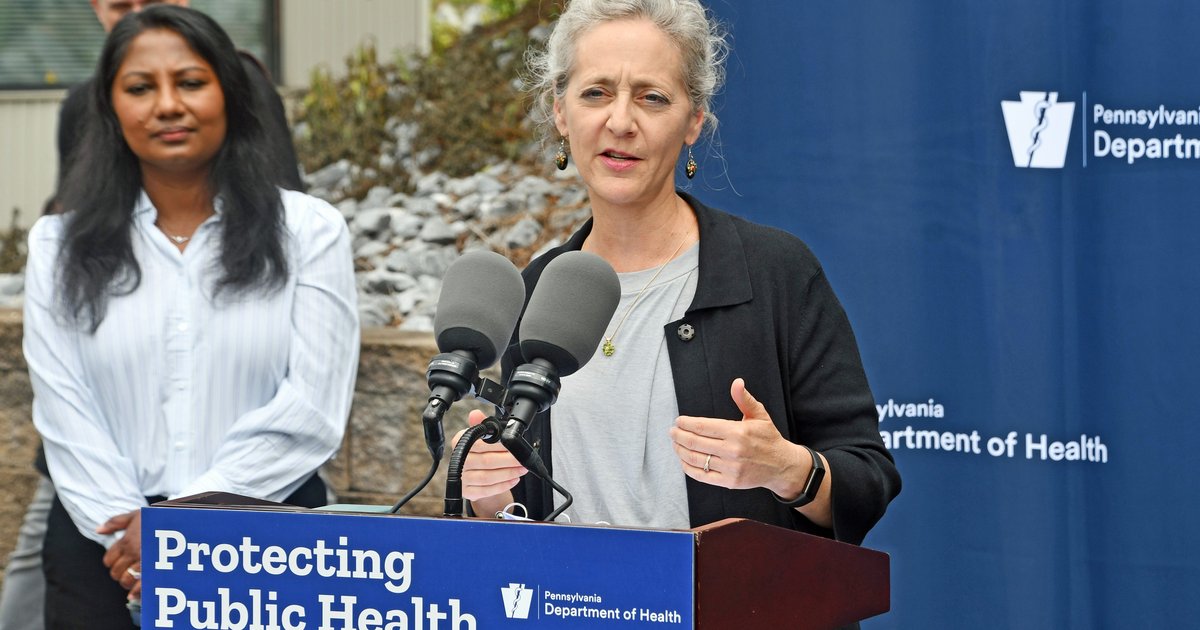
Dr. Anne Ancia, the WHO representative to the DRC, reported from Bunia, the capital of Ituri Province, that the country has recorded 1,561 confirmed cases and 254 recoveries. Health authorities are currently monitoring more than 10,000 contacts. The current outbreak, officially declared on May 15, 2026, is the 17th Ebola epidemic in the DRC.
Regional Spread and Mortality
While the outbreak is centered in Ituri Province—which accounts for 94% of confirmed cases—it has also reached North Kivu and South Kivu provinces. Congolese health authorities described the mortality rate in North Kivu as worrying
, citing a rate of 57.4%. In the mining town of Mongbwalu, considered the starting point of the epidemic, the lethality is 50.7%.
The virus has also crossed borders into Uganda. As of June 6, 2026, Uganda reported 19 confirmed cases and two deaths in imported cases, as well as one probable case who died. Most cases in Uganda were Congolese nationals seeking medical care, with cases reported in Kampala and Wakiso. One Congolese national traveled from the DRC through Uganda to the United Arab Emirates before returning to Uganda. The WHO concluded the risk of transmission in the UAE was low after risk assessments and contact tracing identified no secondary cases.
Operational Challenges and Conflict
The epidemic is unfolding in regions marked by active conflict and displacement. Dr. Ancia noted that treatment centers are operating at saturation point
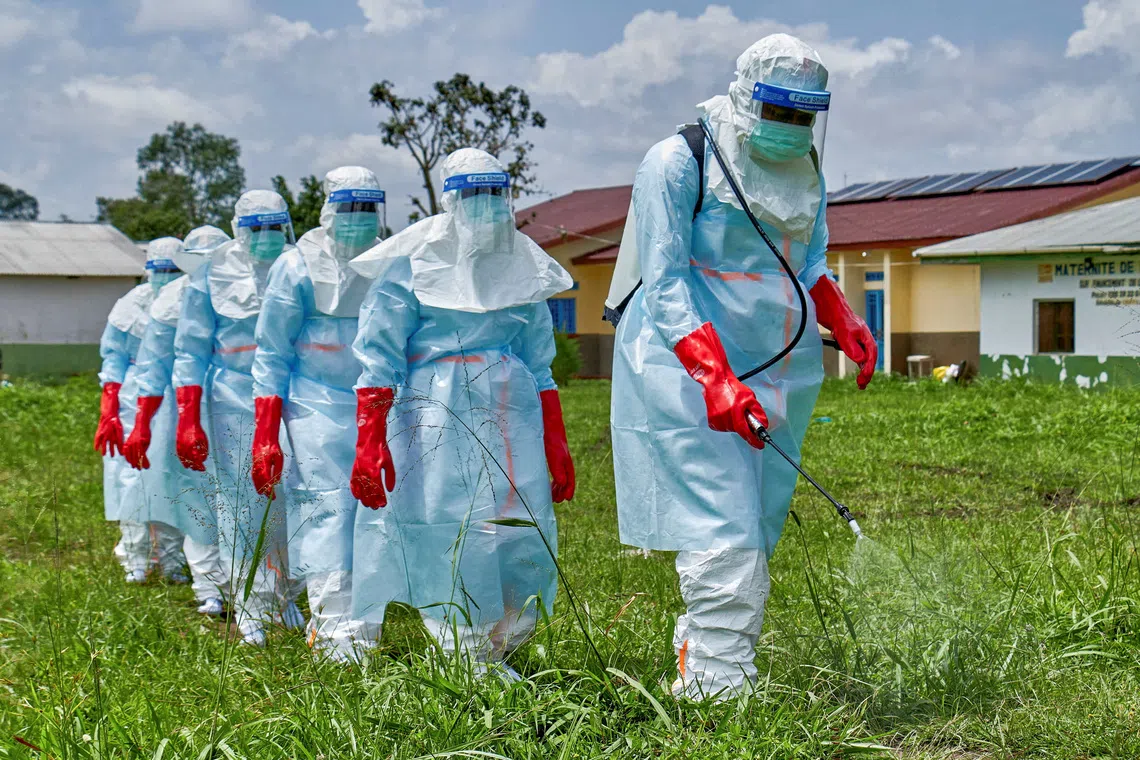
and warned that the province lacks enough ambulances to meet all needs. The response is further complicated by security incidents affecting health facilities, which disrupt surveillance and increase the risk of undetected transmission.
In the DRC, front-line health workers threatened strike action on July 7, 2026, citing low wages, poor working conditions, and a lack of adequate equipment. Workers reported they had not received benefits since the outbreak began and criticized the arrogance
of teams sent from Kinshasa.
Regional instability is highlighted by fighting between the Congolese Army (FARDC) and the Alliance Fleuve Congo/23 March Movement (AFC/M23), which is supported by Rwandan forces, though Rwanda denies these claims. The M23 group recently claimed that Ebola had been eradicated in areas under its control, a report Dr. Ancia confirmed, stating that information indicates no more cases and that all contacts in those zones have been released.
Medical Response and Diagnostics
Because there is no approved, proven cure or vaccine for the Bundibugyo strain, health officials are relying on isolation and contact tracing. However, a clinical trial began on July 2, 2026, to evaluate two therapies: the antiviral remdesivir and a monoclonal antibody, MBP134. More than 1,200 treatment doses will be administered alone or in combination to determine if they improve survival rates.
Testing capacity has seen a significant increase. Daily capacity grew from 30 tests in Kinshasa to more than 2,000, supported by 10 decentralized laboratories in affected provinces, with the most recent opening in Bunia. The WHO also granted emergency use authorization for the first molecular diagnostic test for the virus.
Vulnerability and Transmission
The Bundibugyo virus is a zoonotic disease, with fruit bats suspected as the natural reservoir. It spreads to humans through contact with infected wildlife and then from person to person via blood, secretions, or other bodily fluids. Transmission is often amplified by inadequate infection control in healthcare settings and unsafe burial practices.
The WHO continues to advise against restrictions on travel or trade with the DRC and Uganda while closely monitoring the situation.
How significant is this development?
Participate in our community survey on the trajectory and real-world impact of this news.