Harvard experts warn excessive animal protein may increase health risks
While protein is essential for muscle mass, health experts caution that overconsuming animal-based sources may lead to chronic disease and kidney strain.
- Headline Dispatch: Harvard experts warn excessive animal protein may increase health risks
- Core Takeaway: While protein is essential for muscle mass, health experts caution that overconsuming animal-based sources may lead to chronic disease and kidney strain.
- Source Synthesis: Continuous live monitoring aggregated across major news wires and independent bureaus.
Harvard experts warn excessive animal protein may increase health risks
High-protein diets have surged in popularity, driven by social media influencers and athletes who claim that increasing intake can build muscle, regulate hormones, and promote weight loss. However, health experts from Harvard and other institutions warn that this trend may be an overcorrection that could accelerate biological aging and increase the risk of chronic disease.
Protein is a critical macronutrient required for tissue repair, growth, and the functioning of every human cell. While adequate intake is necessary to prevent malnutrition and preserve muscle mass, experts suggest that many Americans are consuming far more than they need. According to data from the Centers for Disease Control and Prevention, U.S. Adults eat an average of 2.9 ounces of protein per day, which is roughly 20% more than recommended.
The Risk of Animal-Based Protein
The source of protein is a primary concern for longevity experts. Walter Willett, professor of epidemiology and nutrition at Harvard T.H. Chan School of Public Health, states that animal protein is more detrimental to health due to its content of cholesterol and saturated fat, which can increase cardiovascular disease risk. Conversely, plant proteins contain fiber, unsaturated fats, and phytochemicals like flavonoids.
According to Willett,
"While there’s no definite link between overall protein intake and risk of death, greater intake of animal protein is associated with a higher risk of death. And plant protein is associated with a lower risk."
Walter Willett, professor of epidemiology and nutrition at Harvard T.H. Chan School of Public Health, via hsph.harvard.edu
Dr. Monisha Bhanote, a longevity expert, explains that excessive animal protein can undermine cellular health through two harmful compounds: trimethylamine N-oxide (TMAO) and advanced glycation end products (AGEs). TMAO promotes cholesterol accumulation in arteries and impairs its removal, which is linked to heart attack, stroke, and atherosclerosis. AGEs form when proteins or fats combine with sugar in the bloodstream; animal foods — particularly those that are fried, roasted, or grilled — are high in these compounds, which can lead to oxidative stress and inflammation.
Furthermore, registered dietitian Melanie Murphy Richter notes that too much animal protein can chronically activate the IGF-1 (insulin-like growth factor 1) nutrient-sensing pathway. While beneficial during childhood, keeping this pathway active between ages 18 and 65 may accelerate biological aging. Dr. Joseph Antoun, CEO of L-Nutra, adds that promoting cellular growth over repair can decrease autophagy, the body's cellular cleanup process, and increase the risk of certain cancers and mutations.
Physical Consequences of Overconsumption
Excessive protein intake can place a significant strain on the body. Marc O’Meara, a senior nutritionist at the Brigham and Women’s Outpatient Department, reports that some clients aiming for 200 grams of protein daily have suffered negative effects on their kidneys, which must process the extra nitrogen. Other risks associated with high protein diets include kidney stones, colon cancer, and heart disease, particularly when the diet is rich in red meat.
Weight loss seekers may also find that excessive protein hinders their goals. O’Meara notes that protein is approximately six times more caloric by volume than vegetables, and excess protein can still be converted to fat.
Potential symptoms of protein overconsumption include:
- Indigestion or intestinal discomfort
- Nausea, diarrhea, or constipation
- Dehydration and tiredness
- Irritability and bad breath
- Weight gain
Guidelines for Balanced Intake
Determining the "right" amount of protein is complex, as needs vary by age and activity level. While the Food and Drug Administration recommends 50 grams of protein a day as part of a 2,000-calorie diet, some Americans consume roughly 100 grams.
For a healthy person who is not an elite athlete, Harvard health guidance suggests keeping total intake to no more than 2 gm/kg of ideal body weight. For a 140-pound person with a normal BMI, this is approximately 125 grams per day. Alternatively, O'Meara suggests a baseline calculation of body weight in pounds multiplied by 0.36 to 0.45 to determine daily grams. For example, a 110-pound woman would need around 45 grams daily.
Specific populations have different requirements:
- Athletes: May require an additional 50% over the baseline.
- Pregnant or Breastfeeding Women: Recommended 1.25 times the baseline.
- Older Adults (65+): Increased intake is often necessary to prevent falls and maintain muscle and bone health, as muscle mass typically begins to decline after age 40.
Strategic Eating and Sourcing
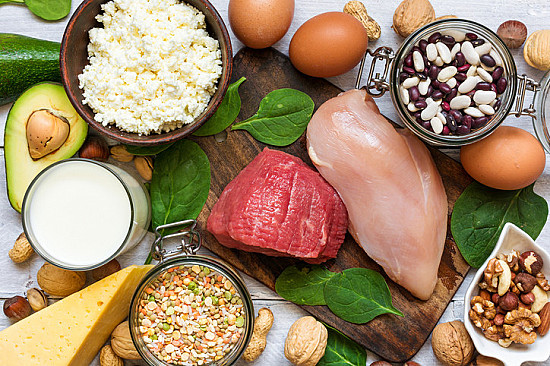
Experts recommend shifting toward plant-based proteins, such as lentils, chickpeas, soy, nuts, and seeds, which are naturally low in AGEs and do not contribute to TMAO production. Fish is also highlighted as a beneficial protein source; regular consumption has been associated with a 12% reduction in the risk of premature death.
To manage blood sugar and satiety, O’Meara suggests a specific eating order: start with vegetables or salad for volume, follow with protein to signal fullness and slow the absorption of sugars, and save carbohydrates or desserts for last.
Finally, consumers are cautioned against highly processed "protein" products, such as bars or cookies, which may contain multiple sugar substitutes or heavy metals. Experts advocate for a Mediterranean-style approach focusing on natural, whole foods.
How significant is this development?
Participate in our community survey on the trajectory and real-world impact of this news.