US PrEP access cuts could surge HIV infections and medical costs
Small reductions in PrEP coverage could eliminate a decade of progress in reducing new HIV infections across the United States.
- Headline Dispatch: US PrEP access cuts could surge HIV infections and medical costs
- Core Takeaway: Small reductions in PrEP coverage could eliminate a decade of progress in reducing new HIV infections across the United States.
- Source Synthesis: Continuous live monitoring aggregated across major news wires and independent bureaus.
US PrEP access cuts could surge HIV infections and medical costs
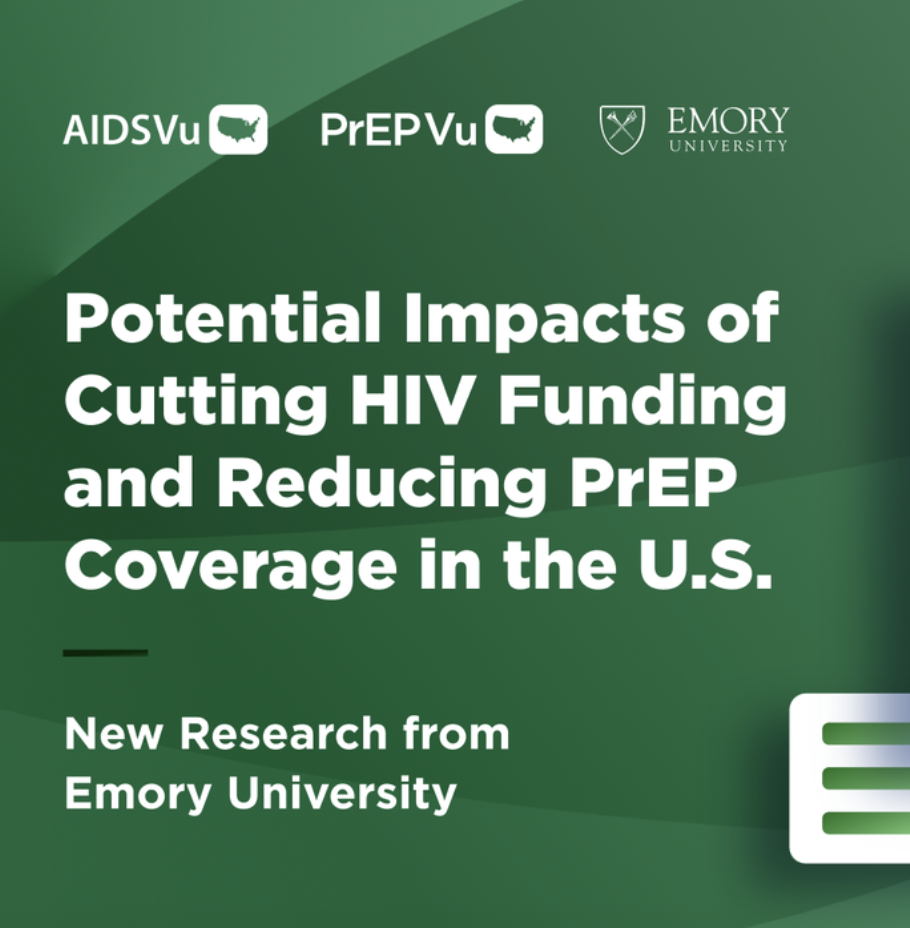
Small reductions in the availability of pre-exposure prophylaxis (PrEP) could eliminate a decade of progress in reducing new HIV infections across the United States, according to a study published September 11, 2025, in JAMA Network Open.
The research, led by Dr. Patrick Sullivan, a professor at Emory University and Principal Scientist at AIDSVu, warns that a 3.3% annual decline in PrEP coverage over ten years could result in more than 8,600 additional preventable HIV infections. Such a shift would also lead to an estimated $3.6 billion in added medical costs.
These projections arrive as the House appropriations bill proposes deep cuts to federal HIV prevention funding. Dr. Sullivan noted that setbacks in PrEP utilization — stemming from policy changes, increased out-of-pocket costs, or funding cuts — risk reversing national progress.
"PrEP is one of the most effective tools we have to end the HIV epidemic, but its impact depends on sustained and equitable access for everyone who can benefit from it,"
Dr. Patrick Sullivan, lead author and professor at Emory University, via aidsvu.org
The Role of Economic Deprivation
While PrEP serves as a critical biomedical intervention, researchers emphasize that poverty remains a primary driver of the epidemic. Data from AIDSVu indicates persistent disparities in PrEP access among Southern populations, as well as Black, Hispanic/Latino, female, and young populations.
The connection between economic distress and HIV is further detailed in research focusing on urban centers. A study of hospital admissions in Washington, DC, between 2016 and 2019, found a statistically significant association between community-level economic deprivation, measured by the Distressed Community Index (DCI), and HIV prevalence. The study found that residents of "distressed" neighborhoods had the highest odds of HIV infection compared to those in "prosperous" neighborhoods.
The DC study also noted that Black patients had higher odds of HIV infection, with an odds ratio of 1.82.
Syndemic Factors and Poverty
Medical professionals point to a "syndemic" effect, where social inequality and psychological factors cluster to increase vulnerability. According to analysis of National Epidemiologic Survey on Alcohol and Related Disorders (NESARC) data, factors such as major depressive disorder, substance use disorder, alcohol use disorder, and intimate partner violence co-occur and amplify HIV risk.
The influence of these factors is significantly worsened by poverty. Among individuals living below federal poverty guidelines, every additional syndemic factor was associated with a 96% increase in the odds of incident HIV. For those living above the poverty line, the increase was only 21%.
The strongest association was found among males living below the poverty line. For women, the link between an increase in syndemic conditions and HIV was only associated with the virus in the context of poverty.
Current Coverage and Goals
The United States has seen significant growth in PrEP usage. Between 2023 and 2024, the number of PrEP users rose by 17% to 591,475 people. However, overall coverage remains below federal targets.
- 2017 coverage: 13% of Americans with indications for PrEP were prescribed the medication.
- 2022 coverage: 36% of the 1.2 million Americans with indications for PrEP were prescribed the medication.
- 2025 goal: The federal Ending the HIV Epidemic (EHE) initiative set a target of 50% coverage.
The impact of this coverage is evident at the state level. A study in The Lancet HIV found that U.S. States with the highest PrEP coverage saw a 38% drop in new HIV diagnoses from 2012 to 2022. Conversely, states with the lowest coverage experienced a 27% increase in diagnoses during that same period.
To help policymakers visualize these risks, AIDSVu plans to launch an interactive HIV Modeling Tool. This resource will allow users to explore how changes in viral suppression rates and PrEP coverage, influenced by funding cuts or insurance restrictions, affect healthcare costs and infection rates.
How significant is this development?
Participate in our community survey on the trajectory and real-world impact of this news.